All posts by Allyson Locke, M.S., OTR/L

Kickstart PT Month with Essential Mobility Solutions

October marks National Physical Therapy Month, a time to highlight the power of movement in improving strength, independence, and quality of life. Whether you’re working with children building coordination or adults recovering strength, the right physical therapy mobility tools can make every session more effective and engaging.

Why Movement Matters

Movement is essential for all ages—it promotes cardiovascular health, builds core stability, sharpens motor planning, and fosters independence in daily activities. Having access to adaptable mobility tools allows for targeted, purposeful practice that keeps clients motivated while achieving therapeutic goals.

Essential Physical Therapy Mobility Tools

Therapro offers a wide range of movement and mobility solutions that support therapists in creating dynamic treatment sessions. Here are a few standouts:

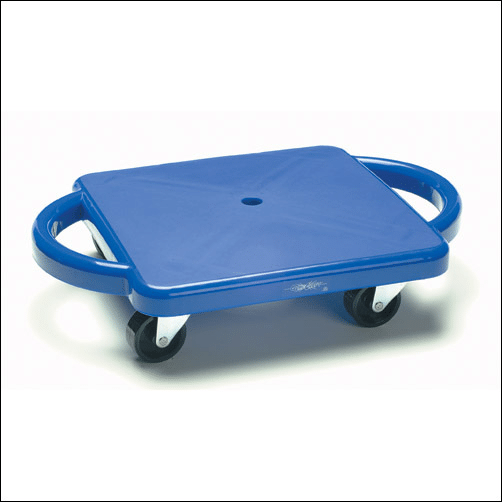
Scooter Board

Scooter Boards – Perfect for strengthening the upper body, improving postural control, and engaging children in fun movement-based activities. Use them for prone propulsion, obstacle courses, or partner games to target endurance and coordination. Pro Tip: The Scooter Board Activities Fun Deck® provides great scooter board activity ideas!

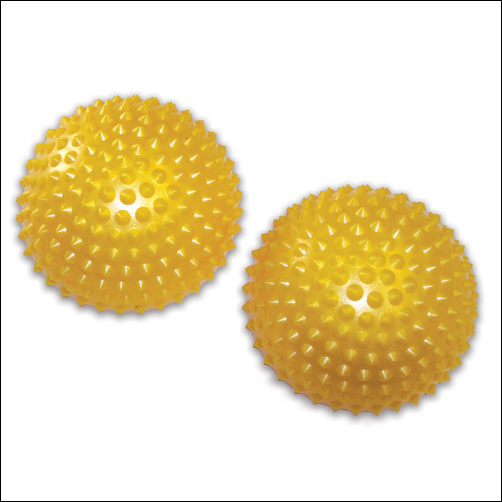
Balance Beams and Pods – These versatile tools enhance balance, stability, and motor planning. They’re excellent for building confidence in navigating uneven surfaces and can be adapted for clients of all ages.

Two Yellow Balance Pods
Therapy Ball Activities Fun Deck

Therapy Ball Activities Fun Deck – Turn standard therapy ball exercises into an engaging game with this card deck. Activities target core strength, coordination, and flexibility while making therapy fun and interactive.

Other effective options include the Rocking Boat for vestibular input, the Hand Bike for upper body strengthening, and the Move Your Body Thumball to combine movement with language-building tasks.

Bringing It All Together

This month, join us in celebrating the life-changing benefits of physical therapy. By incorporating high-quality physical therapy mobility tools, you can help clients improve strength, balance, and coordination while making therapy sessions fun and motivating.

Explore Therapro’s full collection of Movement & Mobility Solutions to find tools that support your therapeutic practice and inspire movement for every age and ability.

Why the Tripod Grasp Matters—and How Short Pencils Help Develop It

The Importance of a Functional Tripod Grasp

The tripod grasp is one of the most important foundational motor skills a child needs for effective handwriting. It involves using the thumb, index, and middle fingers to hold and control a writing utensil. This mature grasp allows for precise, controlled movements, reducing hand fatigue and enabling efficient writing over time. But for many young children, especially those with developing or delayed fine motor skills, this grasp does not come naturally.

What Is a Tripod Grasp—and Why Does It Matter?

A tripod grasp places the pencil between the thumb and index finger, resting on the middle finger. This grip allows for stability and mobility at the same time. When the grasp is inefficient—like using a whole hand or wrapping the thumb—it can lead to poor letter formation, slow writing speed, or discomfort that limits participation in schoolwork.

Occupational therapists, educators, and parents all play a role in helping children build the muscle coordination and hand strength required for this mature grasp. The earlier the intervention, the more natural the grasp becomes.

How Short Pencils Support a Tripod Grasp 

	
Short Pencils

One of the simplest yet most effective tools to promote a proper tripod grasp is a short pencil. At just 3.5 inches in length, these pencils are too small for a child to wrap their whole hand around. Instead, they naturally encourage the use of the fingertips, positioning the hand for success.

Here’s why short pencils work so well:

  • They limit compensatory grips. With less surface area to grasp, children are discouraged from using awkward or inefficient grips like thumb-wrapping or palmar holds.
  • They promote finger awareness and control. The smaller size brings the writing tool closer to the hand, improving proprioception and control.
  • They work with other supports. Short pencils fit most pencil grips and adaptive devices, allowing for customizable support.
  • They increase handwriting endurance. When the fingers are positioned properly, children can write longer with less fatigue.

Who Can Benefit?

Short pencils are ideal for:

  • Preschool and early elementary students learning to write
  • Children with fine motor delays or developmental coordination challenges
  • Students receiving occupational therapy services
  • Parents seeking tools for at-home skill building

Simple Tool, Big Impact

Sometimes the best therapy tools are the simplest ones. Short pencils are affordable, easy to implement across settings, and powerful in their impact. Whether used in the classroom, therapy clinic, or at home, they promote foundational grasp patterns that set children up for handwriting success.

Ready to support better handwriting from the start? Explore Therapro’s Short Pencils and discover how a small change can lead to big improvements in motor development and learning outcomes.

A Guide for Choosing the Right Try Rex® Pencil

Selecting the right writing tool can make all the difference in a child’s handwriting development. Try Rex® Pencils are uniquely designed to promote an efficient tripod grasp and support fine motor development across multiple stages of learning. But with three different types—Jumbo, Intermediate, and Regular—how do you choose the best one for your student or child?

In this post, we’ll break down the differences between each pencil size, offer guidance on when and how to use them, and provide a typical progression path to support handwriting success in school and at home.


Understanding the Try Rex® Pencil Types

1. Jumbo Try Rex® Pencil

Best for: Beginners and students with low fine motor strength
Specs:

  • 3/8″ diameter for easier grasp
  • Large, soft primary lead
  • Includes eraser

The Jumbo Try Rex® Pencil is the largest of the three and ideal for early writers or those working on building foundational hand strength. Its thicker barrel helps small hands wrap around the pencil more easily, promoting a natural tripod grasp and reducing hand fatigue. The soft primary lead lays down a darker line with less pressure, which is helpful for children still learning to regulate force while writing.

Try it when:

  • A preschool or kindergarten student is just beginning to write
  • A child has weak grip strength or poor fine motor endurance

2. Intermediate Try Rex® Pencil

Best for: Students who have developed some grasp control but still need a larger writing tool
Specs:

  • Standard pencil barrel size
  • Large primary lead
  • No eraser

The Intermediate pencil serves as a transitional option between the Jumbo and Regular styles. It’s great for students who are making progress in grasp development but aren’t quite ready for a standard-size pencil with typical #2 lead. The larger lead still offers smooth, bold writing with less effort, which supports confidence in early writers.

Try it when:

  • A first or second grader is transitioning from a beginner pencil
  • A student benefits from the same soft lead but has improved grasp and hand control
  • Erasing is not a frequent need or is handled with a separate eraser

3. Regular Try Rex® Pencil

Best for: Confident writers ready for standard pencils
Specs:

  • Standard size (similar to a traditional #2 pencil)
  • Regular graphite lead
  • Includes eraser

The Regular Try Rex® Pencil provides all the benefits of the Try Rex® triangular design in a standard size. It’s ideal for students who have mastered an efficient tripod grasp and are building fluency and speed in handwriting. The standard lead mimics what is typically used in classrooms, making this pencil a perfect final step in the progression.

Try it when:

  • A student has strong pencil control and no longer needs a thicker barrel
  • You’re preparing a student for use of standard school supplies
  • The child prefers a pencil that “feels like what their peers are using”

Typical Pencil Progression Scenario

Here’s how a student might progress through the Try Rex® Pencil line:

  1. Start with the Jumbo in preschool or kindergarten to build hand strength and grasp foundations.
  2. Transition to the Intermediate in early elementary grades (grades 1–2) as the child gains more refined motor control.
  3. Move to the Regular by grades 2–3, once the child demonstrates consistent pencil grasp and writing stamina.

This progression is flexible. Some students may benefit from staying at a certain level longer, especially if they have motor planning challenges, developmental delays, or sensory integration needs. Occupational therapists and teachers should individualize based on each student’s motor skills and handwriting performance.


Final Thoughts

Choosing the right pencil isn’t just about size—it’s about fit. Try Rex® Pencils are more than just writing tools; they are developmentally informed supports that help bridge the gap between motor skill acquisition and classroom success. Whether you’re a school-based OT, a teacher managing a diverse classroom, or a parent supporting writing at home, these pencils can help your students write with confidence and comfort.

Explore all three types of Try Rex® Pencils at Therapro and support every stage of handwriting development.