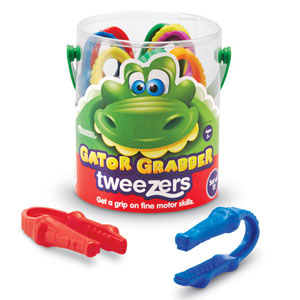
The transition back to school can be exciting, but it also brings new routines, academic expectations, and social demands. Back-to-school strategies can help students begin the year feeling confident, organized, and ready to learn. A proactive approach allows children to build foundational skills while minimizing frustration during those critical first weeks of school.
Prepare Students for Classroom Success
Returning to school requires much more than buying new school supplies. Students are expected to sit for longer periods, complete written assignments, manage schedules, follow multi-step directions, and participate in increasingly complex classroom activities. For children with sensory processing differences, fine motor challenges, executive functioning needs, or developmental delays, these expectations can feel overwhelming.
Therapists and families can make a significant impact by identifying areas of need before challenges arise. Practicing classroom routines, strengthening fine motor skills, and establishing predictable daily schedules help children develop confidence and independence.
Strengthen Handwriting Skills Early
Handwriting continues to be an essential classroom skill. Even in technology-rich environments, students spend a large portion of their day writing, drawing, and completing paper-based assignments.
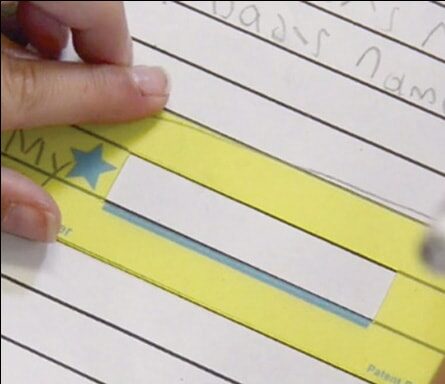
Using adaptive writing tools can improve pencil grasp, reduce hand fatigue, and encourage proper letter formation. Therapro offers a wide variety of handwriting helpers designed to support students of all ability levels. These tools are excellent additions to school therapy sessions, home practice, and classroom intervention programs.
For additional handwriting activities and educational resources, explore Therapro’s writing skills collection to reinforce classroom learning through engaging materials.
Support Regulation with Sensory Seating
Many students learn best when they can move. Sensory-friendly seating options provide subtle movement opportunities that improve attention, postural stability, and classroom participation.

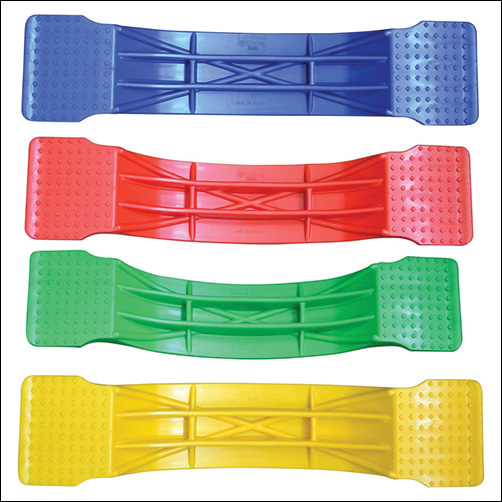
Products within Therapro’s sensory seating collection—including wobble seating, sit-to-stand options, and balance ball chairs—help students meet sensory needs without disrupting instruction. Occupational therapists frequently recommend these supports to improve focus, increase time on task, and promote self-regulation throughout the school day.
Pro Tip- movement opportunities paired with sensory seating can make a meaningful difference in classroom performance, especially during longer academic tasks.
Build Fine Motor Skills Through Everyday Activities
Back-to-school preparation should also include opportunities to strengthen hand muscles and bilateral coordination.
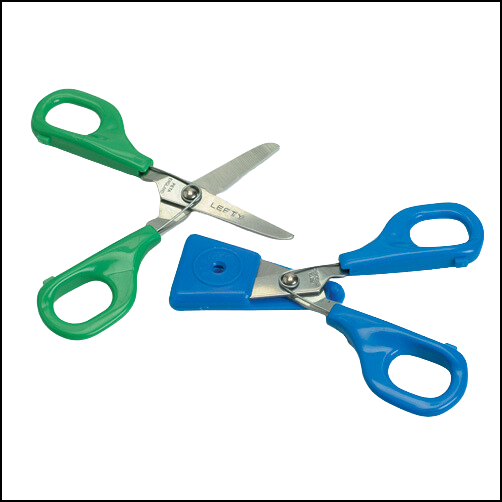
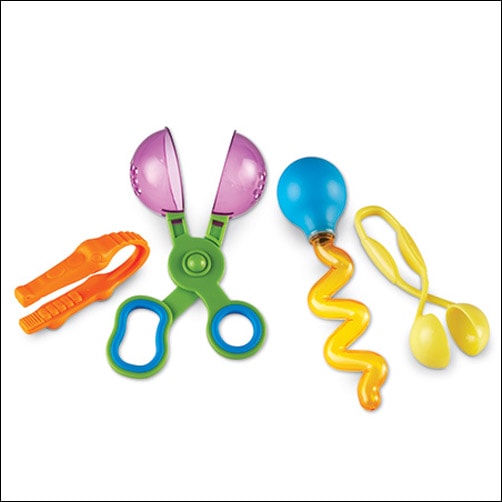
Simple activities such as cutting paper, completing crafts, and manipulating everyday materials help prepare students for academic tasks. Therapro’s selection of adaptive scissors and learning scissors allows children with varying abilities to participate successfully while developing confidence and independence.
These foundational motor skills directly support handwriting, art projects, and classroom participation throughout the school year.
Teach Organization and Executive Function Skills
One of the greatest challenges many students face is managing daily routines independently.
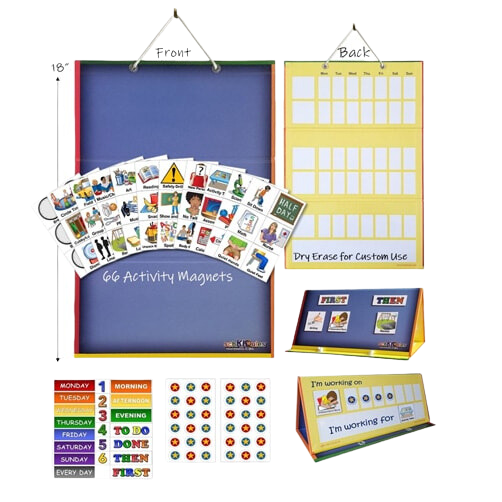
Visual schedules provide structure while reducing anxiety during transitions. The SchKIDules Education Bundle gives educators and families an engaging way to establish routines, teach time management, and increase independence both at home and in the classroom.
Helping students visualize their day supports executive functioning, reduces stress, and promotes successful participation in academic and daily living activities.
Take Advantage of Free Therapy Resources
Therapro also provides a variety of free educational materials that support therapists, educators, and families throughout the school year. The Therapro Handy Guides and free webinars offer practical strategies, activity ideas, and clinical tips that can be implemented immediately in therapy sessions, classrooms, and at home.
These resources make it easy to extend learning beyond appointments while empowering caregivers with practical tools for success.
Start the School Year Strong
Back-to-School success begins with thoughtful preparation and the right combination of evidence-based strategies and supportive tools. By strengthening handwriting, promoting sensory regulation, developing executive functioning skills, and building fine motor abilities, therapists and families can help students enter the classroom ready to participate and succeed.
Whether you’re stocking your therapy room, preparing a classroom, or helping your child transition back to school, Therapro offers trusted products and expert resources designed to support learners of all ages and abilities.