All posts by Therapro

Sensory Modulation in Action

	
Just Right! A Sensory Modulation Curriculum for K-5

In our latest webinar, Teaching Sensory Modulation in Grades K–5: Using Just Right!, presenter Kim Wiggins, OTR/L, delivered practical, evidence-based sensory modulation strategies that therapists, educators, and caregivers can immediately apply across school and home environments.

Grounded in occupational therapy and social-emotional learning (SEL), this session reinforced a key takeaway: sensory modulation is not just a concept—it’s a teachable skill that directly impacts student success.


Why Sensory Modulation Matters

Sensory modulation refers to a child’s ability to respond appropriately to sensory input while maintaining an optimal level of alertness. When students can regulate their sensory systems effectively, they are better able to:

  • Stay engaged in learning
  • Navigate transitions
  • Participate socially
  • Manage emotional responses

These outcomes are critical for both academic performance and overall classroom participation.


Key Sensory Modulation Strategies from the Webinar

1. Teach the Language of Regulation Early

Students benefit from explicitly learning how their bodies feel and what those sensations mean. Introducing sensory language early helps children identify and communicate their needs more effectively.

2. Reframe Behavior Through a Sensory Lens

A major shift emphasized in the webinar: behavior is often a reflection of unmet sensory needs. By applying sensory modulation strategies, therapists and educators can move from reaction to proactive support.

3. Embed Strategies Across the Day

Effective sensory modulation doesn’t happen in isolation. It should be integrated into:

  • Whole-class instruction
  • Small group activities
  • Therapy sessions
  • Home routines

Consistency across environments strengthens carryover and long-term success.

4. Use Hands-On, Play-Based Learning

The webinar highlighted the importance of hands-on activities to reinforce concepts. Sensory-rich, engaging experiences help translate abstract regulation skills into real-world application.

5. Support Educators for Greater Impact

When teachers are equipped with practical tools and confidence, sensory strategies become sustainable classroom practices—not just isolated interventions.


Connecting Sensory Modulation to SEL

One of the most impactful insights from the session was the clear connection between sensory modulation and social-emotional learning. Sensory regulation is foundational to:

  • Emotional control
  • Attention and focus
  • Social participation

By embedding sensory modulation strategies within an SEL framework, schools can create more inclusive and responsive learning environments.


Practical Takeaways for Immediate Use

  • Start with simple, repeatable routines
  • Use consistent language across settings
  • Incorporate movement and sensory breaks
  • Focus on prevention—not just intervention
  • Make learning interactive and engaging

These small shifts can lead to meaningful improvements in student regulation and participation.


Watch the Full Webinar

Ready to implement these sensory modulation strategies in your own setting? Watch the full webinar to see these concepts in action and gain step-by-step guidance from an experienced school-based occupational therapist.

5 Ways to Support School Participation

Participation is the foundation of learning. When students with developmental disabilities are supported with the right tools and strategies, engagement, confidence, and independence increase dramatically.

Here are five practical, classroom-ready school participation strategies that therapists and educators can implement immediately.


1. Optimize Seating for Regulation and Focus

Postural stability directly impacts attention and fine motor performance. Students who struggle to sit upright may fatigue quickly or seek movement in disruptive ways.

Practical supports include:

The goal is not eliminating movement — it’s channeling it productively.


2. Support Fine Motor Access

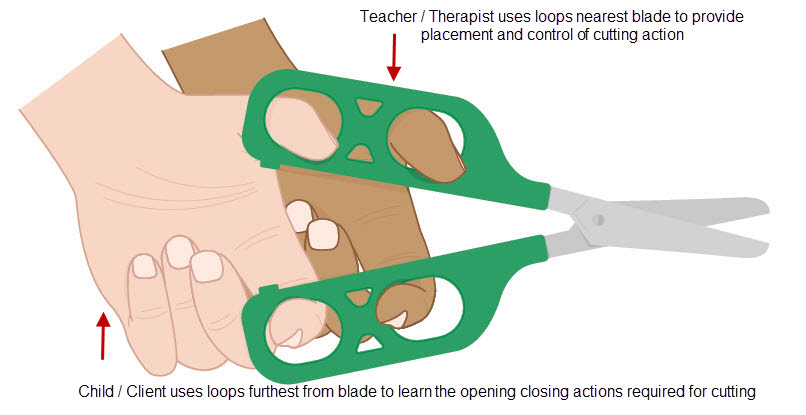
When writing, cutting, or manipulating materials is difficult, academic participation suffers.

Consider:

Reducing motor strain increases classroom confidence.


3. Build in Sensory Regulation Opportunities

Students with sensory processing differences may struggle with noise, transitions, or tactile input.

Support regulation by:

Regulated students participate more consistently.


4. Modify Tasks Without Lowering Expectations

Participation improves when tasks are accessible — not simplified.

Examples:

  • Shortened written responses with oral explanation
  • Visual checklists for multi-step tasks
  • Adaptive technology for written output
  • Chunked assignments with structured breaks

The focus is access, not reduction of learning goals.


5. Foster Inclusive Peer Interaction

Participation extends beyond academics.

Encourage:

  • Structured cooperative learning
  • Peer modeling
  • Leadership opportunities
  • Classroom jobs that highlight strengths

Inclusive environments increase social participation and belonging.


Final Thoughts

Small environmental shifts create meaningful change. When we prioritize access, regulation, and motor support, we empower students to engage fully in school routines.

This Developmental Disabilities Awareness Month, consider one strategy you can implement immediately to improve participation in your classroom or therapy space.

Vision Care Considerations for Disabilities

Watch the full webinar here:
📺Optometric Care and Considerations for Individuals with Disabilities

On February 10, 2026, Dr. Jem Martin, OD, FAAO, presented an insightful webinar on vision care disabilities. The session provided practical guidance for therapists, educators, and allied health professionals on how vision intersects with functional performance in individuals with developmental or neurological differences.


1. Understanding Eye Anatomy and Function

Dr. Martin reviewed essential eye anatomy and visual pathways, emphasizing how variations can affect daily activities and learning. For professionals working with individuals with disabilities, recognizing how the visual system operates is key to interpreting behaviors and supporting functional goals. Integrating knowledge of vision care disabilities into your practice helps identify subtle signs that may impact performance in therapy, school, or home environments.


2. Common Eye Conditions in Disability Populations

The webinar highlighted conditions frequently seen in children and adults with disabilities, including:

  • Refractive errors such as myopia and hyperopia
  • Visual processing differences
  • Functional vision challenges impacting motor skills and learning

Understanding these conditions allows therapists and educators to tailor interventions, adapt environments, and collaborate effectively with vision specialists, improving outcomes for those with vision care disabilities.


3. Supporting Vision Across Disciplines

Beyond diagnosis, Dr. Martin offered actionable strategies for professionals:

  • Referral guidelines: Knowing when to involve an optometrist or vision specialist
  • Functional adaptations: Adjusting activities to accommodate visual processing challenges
  • Collaborative planning: Integrating vision considerations into therapy, classroom, and daily routines

By incorporating these strategies, professionals can enhance interdisciplinary care and better support individuals with vision care disabilities.


Key Takeaways for Therapists and Educators

  • Vision involves more than visual acuity; it’s a critical processing system that influences engagement with the environment.
  • Early recognition of visual challenges informs therapy goals, classroom accommodations, and adaptive strategies.
  • Collaboration with optometry specialists strengthens care plans and functional outcomes.
  • Awareness of eye conditions in disability populations helps decode behavioral and sensory cues.

Why You Should Watch the Full Webinar

The full recording expands on these insights, providing:

  • Clinical examples showing how vision challenges affect daily performance
  • Practical strategies for therapists, educators, and allied health professionals
  • Expert guidance on interdisciplinary collaboration and referrals

📺 Watch now: Optometric Care and Considerations for Individuals with Disabilities

Integrating vision care disability knowledge into practice ensures more effective support for individuals with developmental and neurological differences. Whether you are a therapist, educator, or allied health professional, this webinar is a must-watch for enhancing outcomes and improving daily function.