Category Archives: Handwriting

Access comprehensive handwriting improvement strategies that include tools, games, guided programs, and expert tips to enhance letter formation, spacing, writing fluency, and legibility for learners of all ages and abilities.

What Still Matters in Handwriting Instruction

National Handwriting Day, observed on January 23, offers an opportunity for therapy providers and educators to reflect on what truly supports handwriting success in today’s classrooms. While technology continues to grow, handwriting remains a foundational skill tied to academic performance, fine motor development, and written expression. Effective handwriting instruction strategies still matter—especially when they are developmentally appropriate, functional, and goal-driven.

The question isn’t whether handwriting should be addressed, but how it should be taught and supported.

Handwriting Readiness Comes First

One of the most critical components of effective handwriting instruction strategies is readiness. Before focusing on letter formation, students need adequate postural control, bilateral coordination, visual-motor integration, and hand strength. When these foundational skills are overlooked, handwriting interventions often stall.
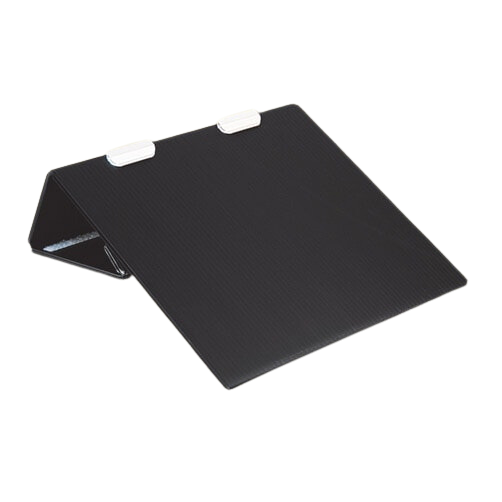
Slant Board

Tools such as slant boards help promote proper wrist positioning, shoulder stability, and visual alignment—simple adjustments that can significantly improve writing efficiency and endurance across grade levels.

The Role of Paper, Line Awareness, and Visual Support
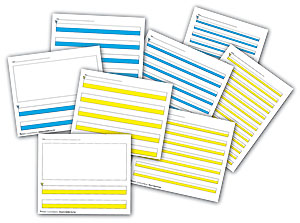
highlighter-paper

Not all handwriting challenges stem from letter formation. Many students struggle with spacing, line adherence, and visual organization. Highlighted and raised-line paper provides tactile and visual boundaries that support students who need additional feedback to organize written work. These supports are especially effective for students with visual-motor integration challenges or reduced proprioceptive awareness.

Using the right paper is not an accommodation shortcut—it’s a strategic instructional choice that helps students internalize spatial concepts over time.

Grips, Tools, and Functional Carryover
grip

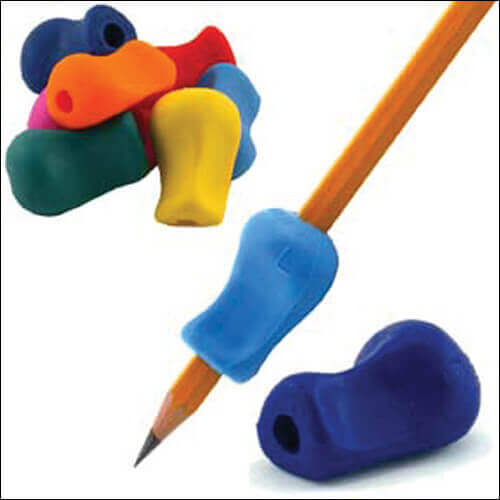
Pencil grips continue to be an essential part of handwriting instruction when used intentionally. Pencil grips support functional grasp patterns, reduce fatigue, and encourage more efficient finger movement. The key is pairing grips with instruction and practice—not relying on them as a standalone solution.

When handwriting tools are integrated into daily classroom tasks, students are more likely to generalize skills beyond therapy sessions.

When Instruction and Accommodation Work Together

Effective handwriting instruction strategies balance remediation and accommodation. Some students need direct instruction to improve legibility, while others benefit from ongoing supports that allow them to access written tasks successfully. Recognizing this distinction helps IEP teams make informed decisions that prioritize participation and independence.

For additional guidance and evidence-based resources, explore the Therapro Blog, where therapists and educators can find practical strategies aligned with real-world classroom demands.

Supporting Handwriting Across the Team

Handwriting success improves when therapists, teachers, and families work together using shared strategies and tools. National Handwriting Day is a reminder that thoughtful, functional instruction—supported by the right materials—continues to play a meaningful role in student success.

Why #4 Lead Pencils Support Early Writing Success

Therapro Pencil a Standard Size pencil with #4 Jumbo Lead

For children just beginning their writing journey, the choice of pencil can make a significant difference in both comfort and skill development. One key factor therapists, educators, and parents should consider is the pencil lead size and durability. This is where #4 lead pencils excel — offering a sturdier, more resilient writing experience tailored for early and developing writers.

Why #4 Lead Works Best for Early Writers

Standard pencil leads typically come in sizes ranging from 2 to 5, with #2 being the most common for general use. However, for young children and early writers who are still developing fine motor skills and pencil control, #4 lead offers several important advantages:

  • Increased Durability: #4 lead is thicker and less prone to breaking under the uneven pressure or gripping inconsistencies common in early writing.
  • Consistent Line Quality: The sturdier lead produces a clearer, bolder line, which helps children see their work more easily, reinforcing letter formation and spatial awareness.
  • Improved Grip Confidence: When the lead withstands pressure better, children feel less frustration and gain confidence in their ability to write.
  • Support for Motor Skill Development: The tactile feedback of a thicker lead encourages a more controlled grasp and smoother movements.

Therapro Pencil: Standard Size with #4 Jumbo Lead — The Best of Both Worlds

Therapro’s Standard Size Pencil with #4 Jumbo Lead uniquely blends the benefits of this sturdy jumbo lead with a pencil body that fits the needs of growing hands and therapeutic interventions.

Here’s what makes this pencil stand out:

  • Standard Shaft Size Compatible with Pencil Grips: Unlike many jumbo pencils that are too thick for standard grips, Therapro’s pencil has a standard-sized shaft that allows easy attachment of all common pencil grips. This means children can benefit from ergonomic aids without needing special-sized pencils.
  • Durable #4 Jumbo Lead: The thicker, resilient lead reduces the frequency of lead breakage, making writing sessions smoother and less frustrating for young users.
  • Built-in Eraser for Convenience: Kids can quickly correct mistakes without switching tools, supporting uninterrupted practice and focus.
  • Versatile for Therapy, Classroom, and Home: Whether used in occupational therapy sessions, school writing tasks, or at home homework time, this pencil supports handwriting development every step of the way.

Practical Benefits for Occupational Therapy and Education

Occupational therapists frequently recommend pencils that promote optimal pencil grasp, fine motor control, and handwriting endurance. Therapro’s Standard Size Pencil with #4 Jumbo Lead is an effective tool because it supports all these goals:

  • It fits standard pencil grips, allowing therapists to customize support for individual children.
  • Its durable lead withstands the variable pressure of new writers.
  • Its size feels familiar to kids, helping ease the transition to independent writing.

Selecting the right pencil is more than a simple school supply choice — it can actively influence the success of early writing development. The #4 lead size is ideal for young children learning fine motor control, and Therapro’s Standard Size Pencil with #4 Jumbo Lead uniquely meets the needs of both children and professionals by combining sturdier lead with pencil grip compatibility.

For therapists, educators, and parents committed to setting up young writers for success, this pencil is a practical, reliable choice that supports handwriting skill growth with less frustration and more confidence.

Fun Ways to Encourage Reluctant Writers to Practice Handwriting

Getting reluctant writers to engage in handwriting can be a challenge, especially when fine motor skills, attention, or confidence are barriers. The key is to encourage handwriting practice in a way that feels playful, low-pressure, and meaningful. At Therapro, we offer a range of tools and activities that support handwriting development through creativity and movement—no worksheets required.

One creative approach is to integrate drawing as a bridge to writing. Ed Emberley’s Drawing Books are a perfect example. These fun, simple guides help children create recognizable pictures using basic shapes—many of which overlap with letter strokes. Drawing circles, lines, diagonals, and curves to form animals or objects can boost visual-motor integration and build the foundational skills needed for handwriting, all without the pressure of “writing letters.” It’s a non-threatening entry point that builds confidence and enjoyment.

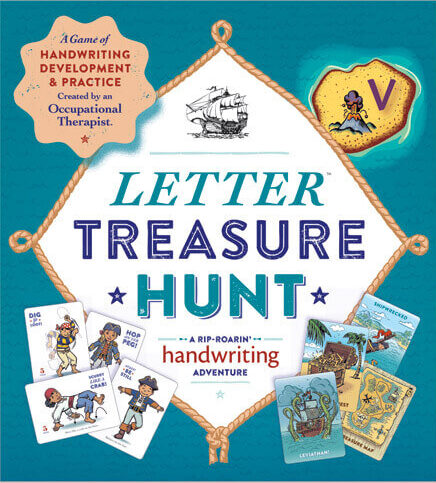
For students who need more movement and sensory input, Letter Treasure Hunt transforms handwriting practice into an exciting adventure. This game blends gross motor activity, visual scanning, and letter identification with a writing component, making it an ideal multisensory tool. It’s especially helpful for children who learn best through active engagement.

Letter Treasure Hunt
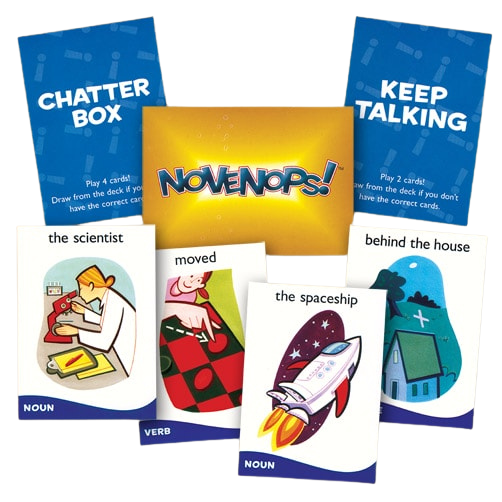
NOVENOP is an acronym created from the words NOun, VErb, NOun, and Phrase and is a board game for children of ages 6 and up

Another great option is NOVENOPS!—a zany sentence-building game that supports literacy, language, and handwriting. To add a handwriting twist, players can write out their silly sentences after each round, turning laughter into writing practice.

If storytelling is more your student’s style, try the Silly Starters Write-Abouts Flipbook. This flipbook sparks creativity with mix-and-match writing prompts that feel more like a game than an assignment. Ideal for classroom warm-ups or therapy sessions, it’s a low-pressure way to get pencils moving.

Write-Abouts Flipbook

The goal is to make writing fun, not frustrating. These tools create engaging, multi-sensory pathways into writing that support skill-building without the resistance. Whether you’re a therapist, teacher, or parent, offering alternatives to traditional handwriting practice can make all the difference.

Explore more handwriting resources at Therapro to keep your reluctant writers motivated and on track.