
Participation is the foundation of learning. When students with developmental disabilities are supported with the right tools and strategies, engagement, confidence, and independence increase dramatically.
Here are five practical, classroom-ready school participation strategies that therapists and educators can implement immediately.
1. Optimize Seating for Regulation and Focus
Postural stability directly impacts attention and fine motor performance. Students who struggle to sit upright may fatigue quickly or seek movement in disruptive ways.
Practical supports include:
- Wobble chairs or dynamic seating
- Seat cushions for core engagement
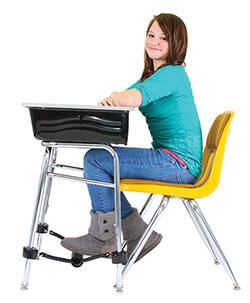
- Footfidgets for improved grounding
- Therapy balls for structured movement breaks
The goal is not eliminating movement — it’s channeling it productively.


2. Support Fine Motor Access
When writing, cutting, or manipulating materials is difficult, academic participation suffers.
Consider:
- Pencil grips for grasp support
- Slant boards to improve wrist extension and visual access
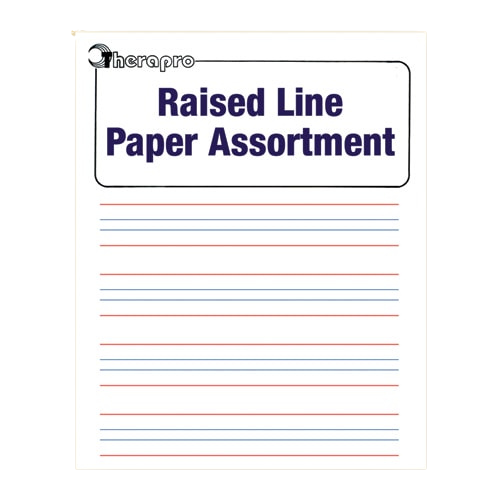
- Raised line paper for spatial organization
- Adapted scissors for controlled cutting
Reducing motor strain increases classroom confidence.


3. Build in Sensory Regulation Opportunities
Students with sensory processing differences may struggle with noise, transitions, or tactile input.
Support regulation by:
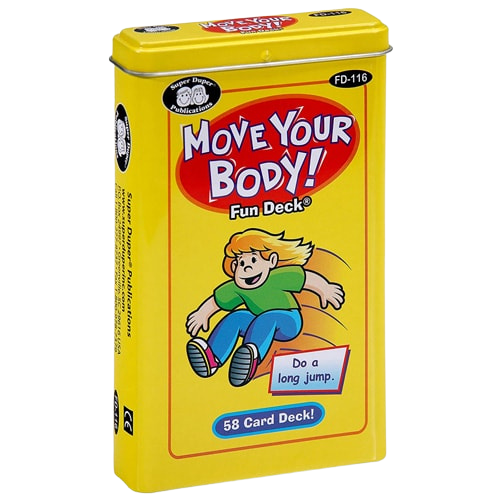
- Offering scheduled movement breaks
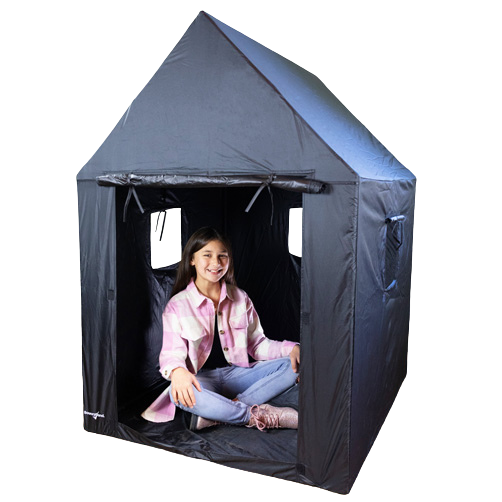
- Providing quiet corners or sensory calm-down spaces
- Incorporating fidgets strategically
- Using weighted items during seated tasks
Regulated students participate more consistently.

4. Modify Tasks Without Lowering Expectations
Participation improves when tasks are accessible — not simplified.
Examples:
- Shortened written responses with oral explanation
- Visual checklists for multi-step tasks
- Adaptive technology for written output
- Chunked assignments with structured breaks
The focus is access, not reduction of learning goals.
5. Foster Inclusive Peer Interaction
Participation extends beyond academics.
Encourage:
- Structured cooperative learning
- Peer modeling
- Leadership opportunities
- Classroom jobs that highlight strengths
Inclusive environments increase social participation and belonging.
Final Thoughts
Small environmental shifts create meaningful change. When we prioritize access, regulation, and motor support, we empower students to engage fully in school routines.
This Developmental Disabilities Awareness Month, consider one strategy you can implement immediately to improve participation in your classroom or therapy space.