Tag Archives: classroom strategies

Classroom strategies encompass OT-informed approaches that support attention, posture, sensory needs, and motor skills to help students succeed academically and socially.

5 Ways to Support School Participation

Participation is the foundation of learning. When students with developmental disabilities are supported with the right tools and strategies, engagement, confidence, and independence increase dramatically.

Here are five practical, classroom-ready school participation strategies that therapists and educators can implement immediately.


1. Optimize Seating for Regulation and Focus

Postural stability directly impacts attention and fine motor performance. Students who struggle to sit upright may fatigue quickly or seek movement in disruptive ways.

Practical supports include:

The goal is not eliminating movement — it’s channeling it productively.


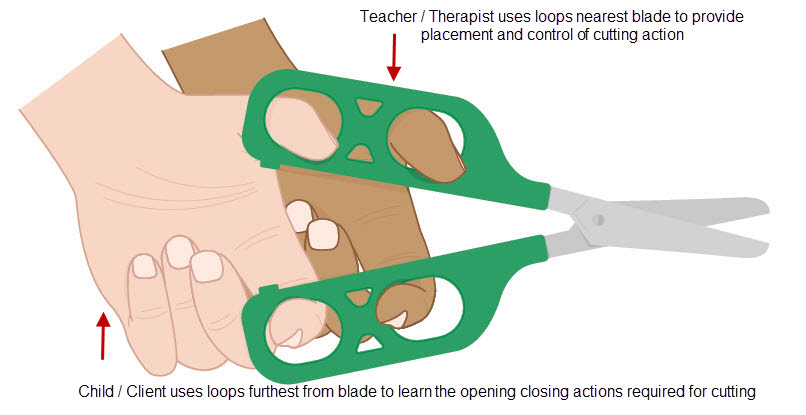
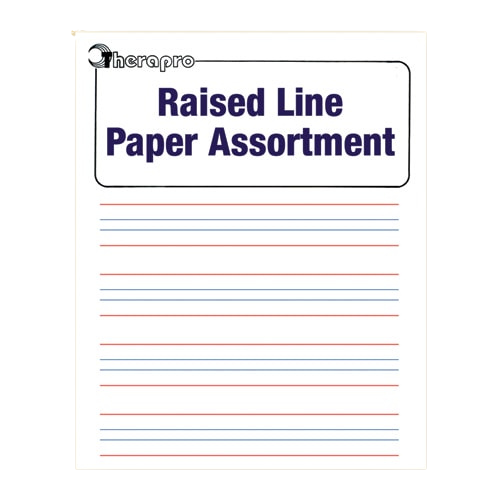
2. Support Fine Motor Access

When writing, cutting, or manipulating materials is difficult, academic participation suffers.

Consider:

Reducing motor strain increases classroom confidence.


3. Build in Sensory Regulation Opportunities

Students with sensory processing differences may struggle with noise, transitions, or tactile input.

Support regulation by:

Regulated students participate more consistently.


4. Modify Tasks Without Lowering Expectations

Participation improves when tasks are accessible — not simplified.

Examples:

  • Shortened written responses with oral explanation
  • Visual checklists for multi-step tasks
  • Adaptive technology for written output
  • Chunked assignments with structured breaks

The focus is access, not reduction of learning goals.


5. Foster Inclusive Peer Interaction

Participation extends beyond academics.

Encourage:

  • Structured cooperative learning
  • Peer modeling
  • Leadership opportunities
  • Classroom jobs that highlight strengths

Inclusive environments increase social participation and belonging.


Final Thoughts

Small environmental shifts create meaningful change. When we prioritize access, regulation, and motor support, we empower students to engage fully in school routines.

This Developmental Disabilities Awareness Month, consider one strategy you can implement immediately to improve participation in your classroom or therapy space.

New Year, New Goals: Turning IEP Objectives Into Daily Practice

January is a natural reset point in schools and therapy settings. IEP goals are active, routines are re-established, and teams are asking an important question: Are our goals showing up in daily practice? Effective functional IEP goal implementation goes beyond isolated therapy activities; it ensures skills are practiced meaningfully across classrooms, therapy sessions, and home routines.

Too often, IEP objectives are addressed only during scheduled service time. While direct intervention is essential, true progress happens when goals are embedded into everyday tasks. This means shifting from “therapy-only” strategies to functional, repeatable opportunities throughout the day.

From Goals to Real-Life Skills

Functional IEP goals should answer one key question: What will this student be able to do more independently in daily life? Whether the goal targets fine motor skills, sensory regulation, attention, or executive functioning, carryover is critical.

Drive Thru Menus

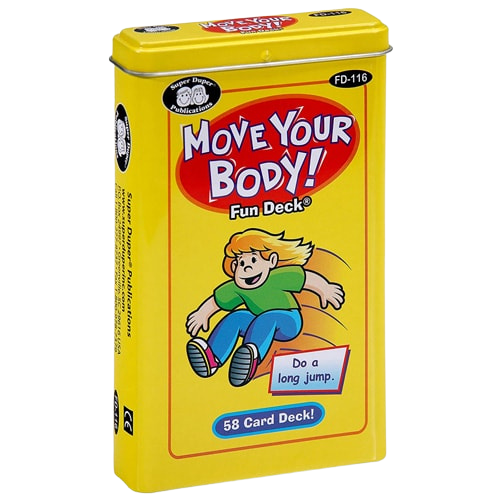
One effective approach is using structured, classroom-friendly tools that support consistency across providers. Drive-Thru Menus® are a practical example. These activity cards combine movement, academics, and sensory input, making it easier for teachers and therapists to reinforce goals such as attention, postural control, and self-regulation during natural transitions, not just during therapy time.

Supporting Sensory and Self-Regulation Goals

Just Right! A Sensory Modulation Curriculum for K–5

Many IEPs include goals related to sensory modulation, emotional regulation, or classroom participation. The Just Right! Sensory Modulation Curriculum helps teams use shared language and evidence-based strategies to support these goals throughout the school day. When everyone, from therapists to classroom staff, understands why a strategy is used, implementation becomes more consistent and effective.

Embedding sensory strategies into morning routines, work periods, or transitions allows students to practice regulation skills when they matter most.

Making Fine Motor Goals Functional

Fine motor goals should directly support classroom performance, not just skill acquisition. Resources like the Fine Motor Skills in the Classroom help therapists and educators design interventions that improve handwriting, tool use, and classroom participation while aligning with educational demands.

By focusing on functional outcomes—such as completing written assignments or managing classroom tools—teams can better track progress and demonstrate meaningful growth.

Collaboration Is the Key

Successful functional IEP goal implementation relies on collaboration. When therapists, educators, and families use shared tools and strategies, students experience consistent support across environments.

For more ideas on embedding therapy goals into daily routines, explore the Therapro Blog or browse Therapro’s classroom-ready therapy resources designed to support carryover beyond the therapy room.

Why #4 Lead Pencils Support Early Writing Success

Therapro Pencil a Standard Size pencil with #4 Jumbo Lead

For children just beginning their writing journey, the choice of pencil can make a significant difference in both comfort and skill development. One key factor therapists, educators, and parents should consider is the pencil lead size and durability. This is where #4 lead pencils excel — offering a sturdier, more resilient writing experience tailored for early and developing writers.

Why #4 Lead Works Best for Early Writers

Standard pencil leads typically come in sizes ranging from 2 to 5, with #2 being the most common for general use. However, for young children and early writers who are still developing fine motor skills and pencil control, #4 lead offers several important advantages:

  • Increased Durability: #4 lead is thicker and less prone to breaking under the uneven pressure or gripping inconsistencies common in early writing.
  • Consistent Line Quality: The sturdier lead produces a clearer, bolder line, which helps children see their work more easily, reinforcing letter formation and spatial awareness.
  • Improved Grip Confidence: When the lead withstands pressure better, children feel less frustration and gain confidence in their ability to write.
  • Support for Motor Skill Development: The tactile feedback of a thicker lead encourages a more controlled grasp and smoother movements.

Therapro Pencil: Standard Size with #4 Jumbo Lead — The Best of Both Worlds

Therapro’s Standard Size Pencil with #4 Jumbo Lead uniquely blends the benefits of this sturdy jumbo lead with a pencil body that fits the needs of growing hands and therapeutic interventions.

Here’s what makes this pencil stand out:

  • Standard Shaft Size Compatible with Pencil Grips: Unlike many jumbo pencils that are too thick for standard grips, Therapro’s pencil has a standard-sized shaft that allows easy attachment of all common pencil grips. This means children can benefit from ergonomic aids without needing special-sized pencils.
  • Durable #4 Jumbo Lead: The thicker, resilient lead reduces the frequency of lead breakage, making writing sessions smoother and less frustrating for young users.
  • Built-in Eraser for Convenience: Kids can quickly correct mistakes without switching tools, supporting uninterrupted practice and focus.
  • Versatile for Therapy, Classroom, and Home: Whether used in occupational therapy sessions, school writing tasks, or at home homework time, this pencil supports handwriting development every step of the way.

Practical Benefits for Occupational Therapy and Education

Occupational therapists frequently recommend pencils that promote optimal pencil grasp, fine motor control, and handwriting endurance. Therapro’s Standard Size Pencil with #4 Jumbo Lead is an effective tool because it supports all these goals:

  • It fits standard pencil grips, allowing therapists to customize support for individual children.
  • Its durable lead withstands the variable pressure of new writers.
  • Its size feels familiar to kids, helping ease the transition to independent writing.

Selecting the right pencil is more than a simple school supply choice — it can actively influence the success of early writing development. The #4 lead size is ideal for young children learning fine motor control, and Therapro’s Standard Size Pencil with #4 Jumbo Lead uniquely meets the needs of both children and professionals by combining sturdier lead with pencil grip compatibility.

For therapists, educators, and parents committed to setting up young writers for success, this pencil is a practical, reliable choice that supports handwriting skill growth with less frustration and more confidence.