Tag Archives: therapist resources

Explore curated resources for therapists, including intervention tools, educational materials, assessment supports, and treatment strategies. Designed for therapists and educators, these resources help professionals plan effective sessions, support diverse client needs, and stay current with best practices in therapeutic and educational settings.

Visual Motor Assessment with Post-COVID Standards

The recent Therapro webinar, Psymark’s Visual Motor Abilities Test (VMAT) with Post COVID Standardization: Administered & Digitally Scored on the iPad, gave clinicians a practical look at how the visual motor assessment test process is evolving for today’s students. Presented by Karen Silberman, Ed.D., LEP and Dana Khudaverdyan, Ed.D., LEP, this session highlighted why updated assessment tools matter and how digital testing can improve efficiency, accuracy, and clinical decision-making.

Visual-motor integration remains one of the most important foundational skills for school success. It impacts handwriting, copying from the board, scissor use, classroom participation, and overall academic performance. For occupational therapists, school psychologists, educators, and intervention teams, selecting the right visual motor assessment test is critical for identifying concerns early and creating meaningful intervention plans.

The webinar introduced the new Psymark Visual-Motor Tests App: Visual-Motor Abilities Test (VMAT), the first fully digital standardized visual-motor assessment designed for iPad use. Built for children ages 4–9, VMAT includes post-COVID norms, providing more relevant benchmarking for today’s learners whose developmental experiences have been shaped by increased screen use and changes in fine motor opportunities since 2020. 

One of the strongest takeaways from the webinar was the efficiency of administration. Unlike traditional paper-and-pencil testing, VMAT allows clinicians to administer the assessment directly on an iPad using a finger or stylus. Automatic scoring removes subjectivity, reduces human error, and generates comprehensive reports instantly. This means less time measuring angles and calculating scores—and more time developing interventions and collaborating with families and teams. Reports can be easily used for IEPs, RTI/MTSS documentation, and referrals.

Another standout feature is the built-in Goal Bank. Therapists can move directly from assessment results to individualized treatment planning without starting from scratch. This supports faster goal writing and stronger documentation, especially in busy school-based and outpatient settings.

To further support visual-motor intervention planning, Therapro also recommends these related tools:

These tools pair well with VMAT by helping clinicians move from identification to intervention quickly and effectively.

As therapists, we know that assessment should do more than generate a score—it should guide better outcomes. The VMAT helps bridge that gap by combining current norms, digital precision, and practical reporting into one streamlined platform.

If you missed the webinar, you can still view the recording and explore how this innovative visual motor assessment test can support your practice. You can also browse additional resources in Therapro’s Visual Perception and Assessment categories to build a stronger toolkit for evaluation and intervention.

For clinicians looking to modernize visual-motor assessment while improving accuracy and saving valuable time, VMAT is a strong step forward.

Women-Led Innovation at Therapro

Therapro’s certification as a woman-owned business reflects not only leadership at the organizational level but a deep, ongoing commitment to elevating the voices, ideas, and innovations of women across the therapy and special education fields.

From the beginning, Therapro has served as a platform for women clinicians, educators, and researchers to bring their expertise into classrooms, clinics, and homes. Today, that legacy continues through a diverse portfolio of products, programs, and assessments—many of which were created by women who saw a need and developed practical, effective solutions.


Empowering Clinicians Through Therapro Publications

In Therapro’s early years, founder Dr. Karen Weihrauch recognized that many therapists had already developed highly effective programs—but lacked a pathway to share them widely. By mentoring and supporting these professionals, Therapro helped transform proven ideas into accessible, professionally developed resources.

These contributions continue to shape practice today:

I Can Work! A Work Skills Curriculum

I Can Work! Vocational Skills Curriculum by Angela Mahoney
A structured, classroom-ready program that builds vocational and life skills to support student independence and transition planning.

Drive Thru Menus by Tere Bowen-Irish
A creative set of therapeutic activity cards designed to improve attention, regulation, and engagement—now available in both physical and digital formats.

Drive Thru Menus
The Sensory Connection Program

Sensory Connection Program Series by Karen Moore
A widely respected series focused on self-regulation strategies for adolescents and adults, grounded in sensory integration principles.

Fine Motor Olympics Program by Marcia Bridgeman
A classroom-friendly approach to fine motor intervention that integrates therapy into everyday school routines.

Fine Motor Olympics
Social Language Rules & Tools: A Preschool Curriculum of activities to improve social–ability

Social Language Rules and Tools Curriculum by Deborah Fortin
A comprehensive curriculum supporting social communication skills across play, conversation, and classroom participation.


Women Advancing Assessment and Evidence-Based Practice

Therapro has also played a key role in bringing clinician-developed assessments to market—tools that support data-driven decision-making and meaningful intervention planning.


Making Therapy Engaging Through Women-Created Games

Therapro’s product line also includes innovative, play-based tools developed by women who understand the importance of engagement in learning and therapy:


Supporting Innovation Beyond Our Walls

Therapro’s commitment extends beyond in-house publications. The company actively partners with and distributes products from other women-led businesses—amplifying innovation across the therapy industry.


A Legacy of Leadership and Impact

Therapro’s woman-owned certification reflects decades of leadership, mentorship, and collaboration. More importantly, it highlights the collective impact of women across the therapy field—clinicians, educators, and innovators who continue to shape best practices and improve outcomes for individuals of all abilities.

By supporting and distributing these products, Therapro not only delivers effective tools but also helps ensure that the expertise behind them reaches the professionals and families who need it most.


Explore the difference.
Discover Therapro’s collection of therapist-developed resources and see how women-led innovation continues to drive meaningful progress in therapy, education, and beyond.

5 Ways to Support School Participation

Participation is the foundation of learning. When students with developmental disabilities are supported with the right tools and strategies, engagement, confidence, and independence increase dramatically.

Here are five practical, classroom-ready school participation strategies that therapists and educators can implement immediately.


1. Optimize Seating for Regulation and Focus

Postural stability directly impacts attention and fine motor performance. Students who struggle to sit upright may fatigue quickly or seek movement in disruptive ways.

Practical supports include:

The goal is not eliminating movement — it’s channeling it productively.


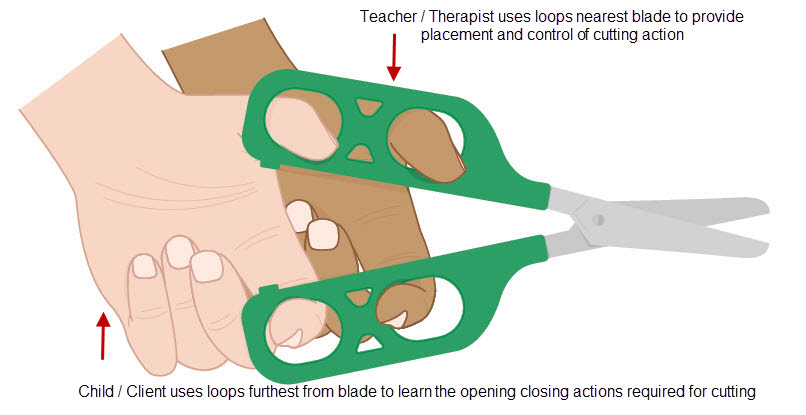
2. Support Fine Motor Access

When writing, cutting, or manipulating materials is difficult, academic participation suffers.

Consider:

Reducing motor strain increases classroom confidence.


3. Build in Sensory Regulation Opportunities

Students with sensory processing differences may struggle with noise, transitions, or tactile input.

Support regulation by:

Regulated students participate more consistently.


4. Modify Tasks Without Lowering Expectations

Participation improves when tasks are accessible — not simplified.

Examples:

  • Shortened written responses with oral explanation
  • Visual checklists for multi-step tasks
  • Adaptive technology for written output
  • Chunked assignments with structured breaks

The focus is access, not reduction of learning goals.


5. Foster Inclusive Peer Interaction

Participation extends beyond academics.

Encourage:

  • Structured cooperative learning
  • Peer modeling
  • Leadership opportunities
  • Classroom jobs that highlight strengths

Inclusive environments increase social participation and belonging.


Final Thoughts

Small environmental shifts create meaningful change. When we prioritize access, regulation, and motor support, we empower students to engage fully in school routines.

This Developmental Disabilities Awareness Month, consider one strategy you can implement immediately to improve participation in your classroom or therapy space.