Summer offers countless opportunities for children to explore, move, and engage their senses—but changes in routine, travel, and unstructured time can also make self-regulation more challenging. Incorporating summer sensory regulation strategies into daily activities can help children maintain important sensory processing skills while preventing frustration and skill regression during school breaks. Occupational therapists, physical therapists, speech-language pathologists, educators, and families can use simple sensory activities to support attention, body awareness, emotional regulation, and participation throughout the summer months.
Sensory regulation does not need to happen in a therapy room. Outdoor play, water activities, movement games, and heavy work experiences naturally provide opportunities for children to receive the sensory input they need to feel organized and ready to learn and play. For additional ideas to support development during the summer, explore Therapro’s resources for sensory activities and tools.
Cool Down and Regulate with Water Play
Water play is a favorite summer activity that provides calming tactile input while encouraging fine motor development, visual attention, and problem-solving skills. The resistance of water creates natural opportunities for strengthening hands and improving coordination.
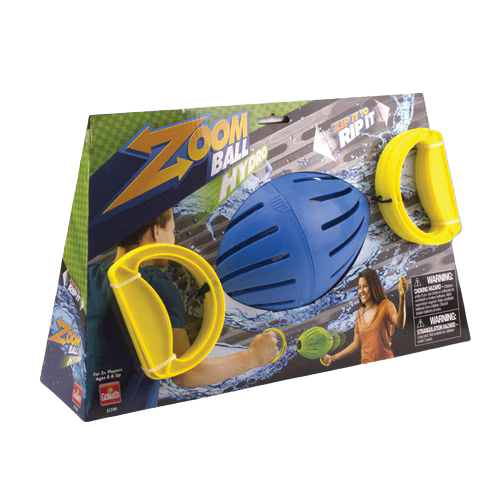
The Zoom Ball Hydro adds a fun twist to traditional water play by combining movement, coordination, and cooling sensory input. Children can practice bilateral coordination and motor planning while enjoying a refreshing outdoor activity.
For children who benefit from cause-and-effect activities, the Switch Adapted Misting Fan provides an engaging way to activate a cooling mist using a switch. This activity supports accessibility and participation for children with a wide range of abilities while encouraging independence and choice-making.

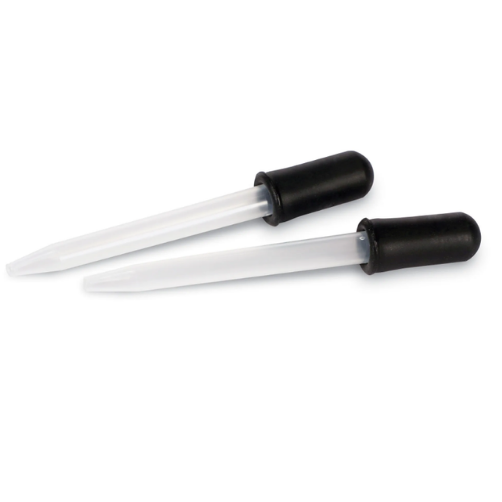
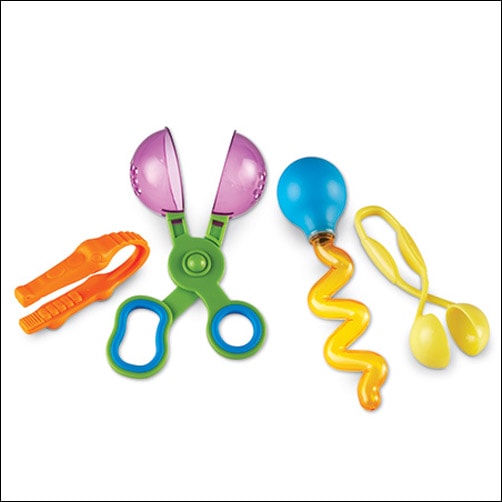
Simple tools such as Eye Droppers can also transform water play into a fine motor activity. Squeezing and releasing droppers strengthens hand muscles, develops grasp patterns, and supports visual motor skills while children experiment with colors, water transfer, and outdoor sensory exploration.
Build Regulation Through Outdoor Movement
Movement activities are an essential part of summer sensory regulation strategies because they provide vestibular and proprioceptive input that can help children organize their bodies. Outdoor games encourage motor planning, coordination, balance, and social participation.
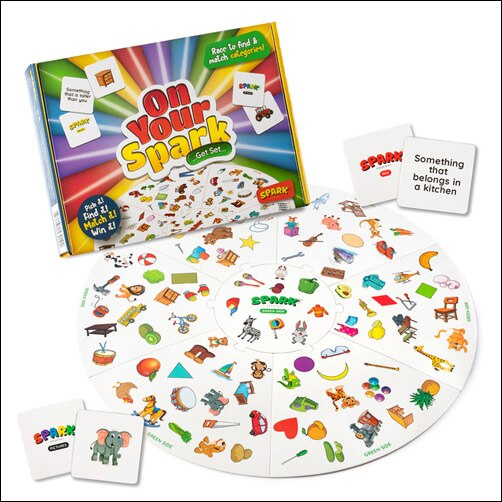
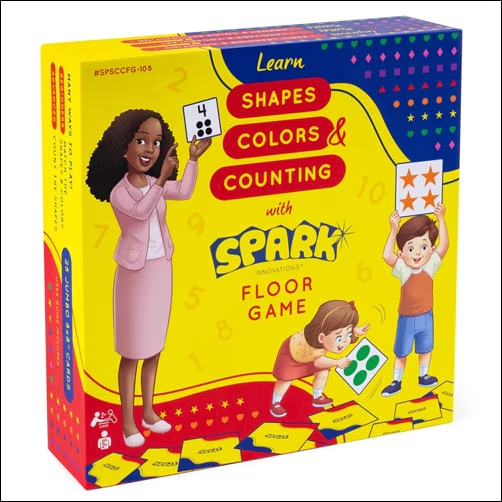
The Pitch N Catch Set encourages throwing, catching, and tracking skills while supporting hand-eye coordination and cooperative play. The Spark Floor Game: Shapes, Colors & Counting combines movement with learning by encouraging children to jump, step, and follow directions while practicing early academic concepts.
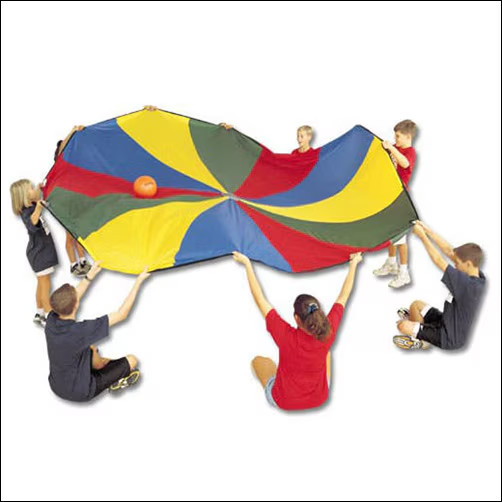
For group activities, Parachutes provide opportunities for teamwork, rhythm, and whole-body movement. Children can push, pull, lift, and move together while receiving valuable proprioceptive input.
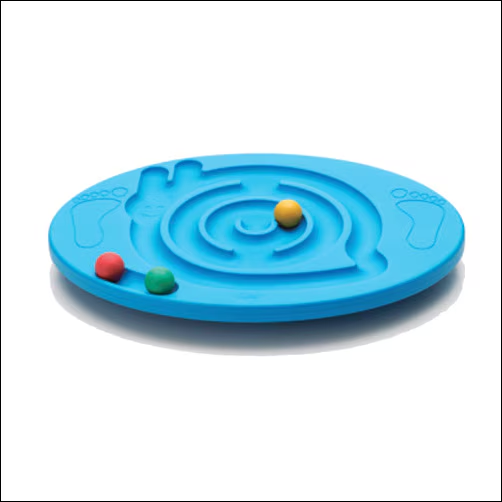
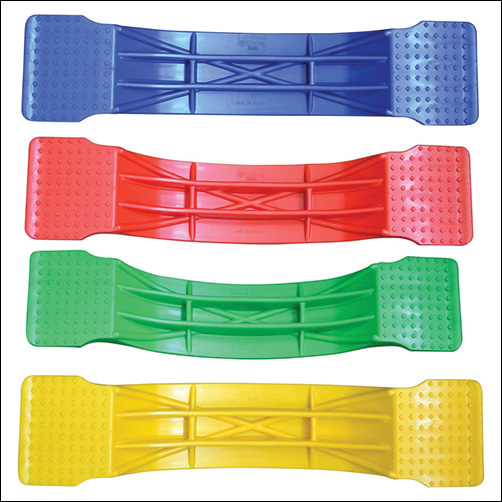
Balance activities are another effective way to support body awareness. The Waddle Plastic Balance Board challenges children to adjust their posture, strengthen core muscles, and develop balance reactions through playful movement.
Add Heavy Work Activities for Body Awareness
Many children seek heavy work activities because pushing, pulling, lifting, and resistance-based movement provide deep proprioceptive input that can support self-regulation. Adding short heavy work breaks throughout the day can help children transition between activities, improve attention, and feel more organized.
The Body Fidget Resistance Tube with Handles provides resistance-based movement that children can use while pulling, stretching, or engaging their muscles. It is portable, versatile, and easy to incorporate into sensory breaks at home, camp, or school.
Families and professionals can also explore Heavy Work Activities with OTis®, which provides creative ideas for incorporating strengthening and resistance activities into play routines.
Keep Sensory Supports Accessible While Traveling
Summer often includes vacations, camps, and changes in routine. Having portable sensory tools available can help children maintain regulation in unfamiliar environments. Travel-friendly resources make it easier to continue summer sensory regulation strategies wherever the day takes you.

The Sensory On The Go Camping Fun activity provides a compact sensory play option that encourages imaginative play, fine motor skills, and sensory exploration. Portable activities like this can be especially helpful during road trips, waiting times, or transitions away from home.
Make Sensory Regulation Part of Summer Play
The best sensory activities are often the ones children want to repeat. By incorporating water play, movement, heavy work, and portable sensory supports into everyday routines, families and professionals can help children stay engaged, regulated, and ready for summer adventures.
Sensory regulation is a skill that develops through consistent practice and meaningful experiences. With the right tools and activities, summer can be a season filled with opportunities for growth, independence, and fun.
Explore more ideas for maintaining skills during school breaks in Therapro’s blog: 5 Easy Ways to Prevent the Summer Slide.