All posts by Allyson Locke, M.S., OTR/L

Keeping Skills Sharp All Summer Long

Summer activities are filled with opportunities for the continued development of skills learned during the previous academic year. Summer activities also provide numerous opportunities to develop and build skills that will be needed for the upcoming school year. 

Play Ball! The visual tracking and coordination needed to accurately catch and throw a ball is linked to academic skills like copying from the board and handwriting.  Help develop these vital skill areas with simple ball games.  For beginners try using Magicatch or a Gertie Ball; these types of balls are easier to catch and help to build confidence while ball skills are developing. Build strength and increase body awareness using a weighted ball for a backyard bowling game! Add a sensory element with Porcupine Balls, Koosh Balls, or Slush Balls

Draw! Drawing offers many opportunities to develop visual perceptual skills and fine motor control, essential elements needed for handwriting.  Step by step drawing books, like How To Draw are great ways to work on these skills along with working on direction following. In the summertime you can get extra creative with drawing mediums and canvases. Sidewalk chalk or drawing pictures in the sand are great options for warmer days. On rainy days, there are many options for indoor art projects!  Tape drawing paper to the wall or the under sides of  a table to help develop shoulder strength and stability.   Try drawing pictures in shaving cream or whipped cream for a fun sensory experience.  

Solve a Puzzle! Dot to Dot Books, Hidden Picture Activities, and mazes  are great rainy-day or long car ride boredom busters! They also offer opportunities to build visual perceptual skills and fine motor control that are essential for neat and legible handwriting.  

Cooking & Crafts! Students in older grades will be expected to follow schedules and take on large, multi-step projects. Crafts and cooking activities are great ways to prepare for these challenging expectations.  These activities offer opportunities for learning how to  follow sequential steps, manage time,  and problem solve.  Try the free Make & Eat Activities from Sensational Fun

Play a Game!  With so many game options available there is no limit to the skills you can work on! Target executive function skills with the game Rush Hour, work on handwriting skills with Letter Treasure Hunt, or work on grammar skills with the game NOVENOPS!


Keep skills sharp and prepare for the upcoming school year with summer fun! 
Incorporating Yoga Into Everyday Activities

Yoga offers a holistic approach to support individuals in achieving functional independence and improved well-being. By incorporating yoga into daily routines, occupational therapists can address skill areas like balance, motor planning, bilateral coordination, self-regulation, and so much more! Thinking outside of the box allows you to incorporate simple yoga poses into everyday activities like break time!

Yoga postures are a great break choice activity because of their versatility.  Yoga poses can be done seated, standing, in small spaces, or in big rooms. Most poses require no equipment, and best of all, there is minimal crashing and yelling involved! In the classroom or in your designated “mindfulness corner,” try displaying visuals with 3-5 yoga poses. Direct students to complete the pose during the designated ‘brain break’ time, during transitions, or when students need a quiet moment to regroup.  Here are some quick tips for success:

  • Poses requiring head inversion are great when needing to increase the energy level. 
  • Poses that incorporate deep pressure or proprioceptive input are great when needing to re-focus, such as after a recess break! 
  • Use the same yoga poses for just the amount of  time that students need to build mastery but be sure to change up the poses often enough for students to stay engaged.     
  • Choosing the “just right” set of  poses is a great opportunity for teacher- therapist collaboration! 
  • Performing yoga poses can also be used as “waiting helpers” to keep active students engaged while waiting their turn.
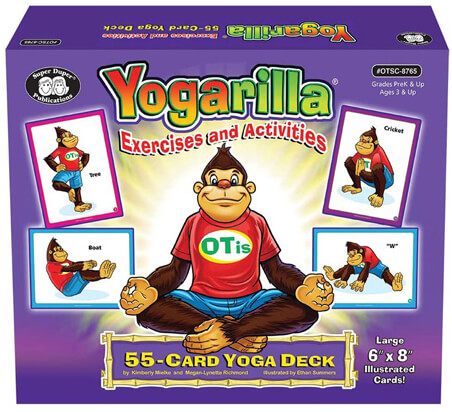
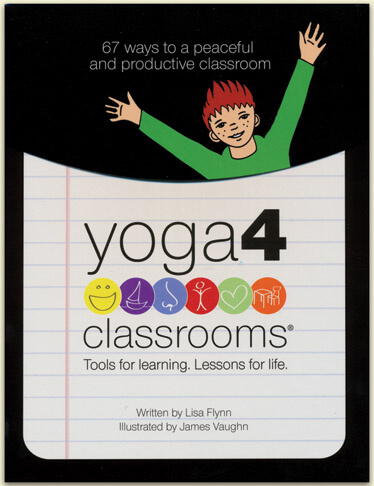
  • Readily available yoga products make incorporating yoga into everyday activities simple! These products depict yoga poses in easy to display format. Try- Yoga for Small Spaces, Yoga 4 Classrooms, and Yogarilla: Exercises And Activities 55 Card Yoga Deck

Be sure to check out all of the great yoga products available at therapro!

Yoga 4 Classrooms
Yogarilla

Using A Battery Interrupter: As Easy As 1, 2, 3!

Incorporating battery interrupter devices into therapeutic and educational settings can significantly enhance accessibility and engagement for individuals with motor challenges. These devices allow standard battery-operated toys and tools to be adapted for use with external switches, promoting independence and participation.

What Is a Battery Interrupter?

Battery interrupters are a useful tool for making battery-operated devices or toys switch-adaptable! Battery interrupters can be used on most devices that are: 

  1. Powered by AA, AAA, C, D, or 9-Volt batteries. 
  2. Turn on or off with a single switch.

Try using a battery interrupter on a commercially available electric bubble toy for some great summer fun or on a simple, battery-operated, musical toy for a cause-and-effect teaching opportunity! 

Benefits of Using Battery Interrupter Devices

  • Enhanced Accessibility: Facilitates interaction with a variety of battery-operated devices.
  • Promotes Independence: Empowers users to control their environment with minimal assistance.
  • Versatility: Can be used across multiple settings, including homes, schools, and therapy centers.
  • Cost-Effective: Adapts existing devices, reducing the need for specialized equipment.

Step-by-Step Guide: Using Battery Interrupter Devices

Setting up a battery interrupter takes just a few simple steps. 

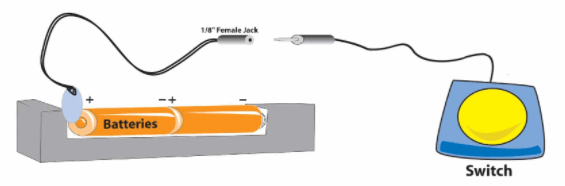
  1. Step 1: Insert the interrupter into the battery compartment between the battery and the compartment wall.  For the 9-volt interrupter, simply clip together the two connection points.   

Pro Tip 1- Only one interrupter is needed per device, regardless of how many batteries are used.

Pro Tip 2- The battery interrupter can be inserted on either the positive or negative end of the battery (n/a for the 9V size)!

  1. Close the battery compartment.

Pro Tip: You may need to cut a small notch out of the battery cover to allow the wires to fit!

  1. Connect your device.

Pro Tip: Battery interrupters work with any standard switch that has a 1/8inch jack

Helpful Hints

  1. Make sure the size of the interrupter matches the size of the battery.  
  2. Turn your device to the “on” position before using it with a switch.  
Diagram showing how to use a Battery Interrupter Device

Tips for Effective Use

  • Safety First: Always supervise the use of adapted devices to prevent accidents.
  • Regular Maintenance: Check connections and battery levels to ensure consistent performance.
  • Customization: Tailor the setup to the individual’s specific needs and preferences.

Using battery interrupter devices is a straightforward and impactful method to enhance accessibility for individuals with motor challenges. By adapting existing battery-operated items, these devices open up new avenues for interaction, learning, and independence.