Discover evidence-based physical therapy resources, equipment, tools, strategies, and professional insights to support physical therapists in enhancing mobility, strength, coordination, and overall functional outcomes across the lifespan and in diverse settings.
Each year on October 10, the world recognizes World Mental Health Day, an important reminder of the need to support emotional well-being across all ages and abilities. Research consistently shows that movement and mental health are deeply connected—physical activity not only strengthens the body but also boosts mood, reduces stress, and fosters resilience. For therapists, educators, and parents, incorporating purposeful movement and strength-building activities into daily routines can be a powerful way to promote both physical and emotional wellness.
Why Movement Matters for Mental Health
Exercise stimulates the release of endorphins, improves focus, and helps regulate emotions. For children and adults alike, structured movement activities can provide healthy coping strategies, reduce anxiety, and build confidence. In therapeutic and educational settings, using the right tools can transform simple exercises into opportunities for engagement, regulation, and growth.
Tools to Support Strength and Emotional Well-Being
Therapro offers a wide range of resources in its Strength & Fitness category designed to integrate movement into therapy and learning environments. Here are three effective tools that promote both strength and mental health:
Compression Tube – This stretchy, enclosed fabric provides calming deep pressure and encourages creative movement, making it an excellent choice for self-regulation and sensory integration.
TheraBand Resistance Bands – Lightweight and versatile, these bands help build strength, endurance, and flexibility while giving clients an accessible tool for stress relief through movement.
Weighted Balls– Perfect for tossing, lifting, and core exercises, these tools add resistance that can improve both physical strength and emotional regulation.
Putting It Into Practice
Whether used in occupational or physical therapy sessions, classrooms, or at home, strength and movement-based activities can help clients of all ages build confidence, reduce stress, and foster a sense of accomplishment. By pairing intentional movement with supportive tools, therapists and caregivers can empower individuals to take meaningful steps toward better mental health.
This World Mental Health Day, let’s recognize the role of movement in emotional wellness and use therapeutic tools that support both mind and body.
Each year, National Therapeutic Recreation Week—celebrated during the second week of July—shines a spotlight on the vital role recreation plays in rehabilitation and wellness. This week is a time to celebrate and explore therapeutic recreation activity ideas that improve physical, cognitive, emotional, and social well-being across all ages and abilities. Whether you’re a therapist, educator, or parent, incorporating purposeful play into therapy sessions can make a lasting difference.
Why Therapeutic Recreation Matters
Therapeutic recreation combines leisure activities with therapeutic goals to enhance function and quality of life. For children and individuals with disabilities or developmental delays, recreation becomes a vehicle for skill-building, engagement, and self-expression. Using the right tools can transform everyday activities into therapeutic opportunities.
Top Therapro Products for Recreational Therapy
At Therapro, we offer a wide range of tools and materials that support meaningful recreational therapy. Here are three standout products to integrate into your practice this week and beyond:
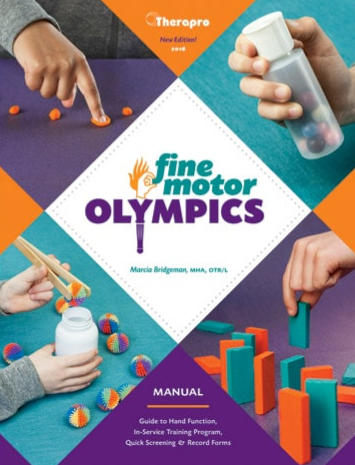
Developed by Marcia Bridgeman, MHA, OTR/L, this inclusive program equips OTs to train staff, parents, and volunteers in delivering structured fine motor support. Includes a manual, screening tools, record forms, and 64 full-color activity cards featuring hand function tasks.
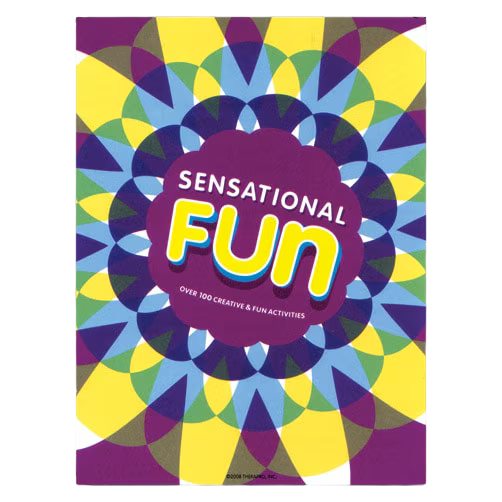
Packed with over 100 activities that incorporate movement, touch, and sound, this resource offers endless therapeutic recreation activity ideas to support children with sensory processing challenges.
The Drive Thru Menus: Calming & Stress Busting Kit and Attention & Strength Kit offer therapist-designed, movement-based activities that promote self-regulation, focus, and physical readiness for learning. Each set features fun, structured exercises that support emotional regulation, motor control, and attention, making them ideal for classrooms, therapy sessions, or home use.
Recreational therapy doesn’t require elaborate equipment or large spaces. Many activities can be done in clinics, classrooms, or at home. The key is to pair intentional movement and play with therapeutic goals—such as improving executive function, fine motor precision, or sensory regulation. The above tools provide structure and flexibility to adapt activities based on individual needs.
Celebrate the Week, All Year Long
National Therapeutic Recreation Week is more than a celebration—it’s a reminder to embed joy and function into our daily therapeutic routines. By using resources that support creative, purposeful activity, therapists and caregivers can make therapy more meaningful and effective.
Summer is the perfect time for professionals to focus on personal and professional growth. Summer reading can be more than just a chance to relax—it’s an opportunity to refresh your skills, explore new ideas, and gain valuable insights that can be applied in the upcoming school year. Whether you’re a therapist, educator, or caregiver, Therapro offers a variety of resources and free webinars that are both informative and practical, helping you make the most of your summer! Read on for Therapro’s top summer reads & webinars for professionals.
📚 Professional Reads That Make a Difference
Therapro’s collection of professional resources is designed to support the continuous development of therapists, educators, and caregivers. These books, grounded in evidence-based practices, provide effective strategies and activities to implement in various therapeutic settings. Consider adding these essential reads to your summer reading for professionals:
Debra Em Wilson’s The Polyvagal Path to Joyful Learning offers educators a practical guide to applying Polyvagal Theory in classrooms to foster safety, connection, and engagement, while her Resilient Learner’s Backpack provides over 60 adaptable mind-body activities grounded in neuroscience to enhance students’ focus, regulation, and resilience across all grade levels.
Just Right! A Sensory Modulation Curriculum for K-5 is a 206-page, evidence-based program featuring 16 flexible lesson plans and full-color handouts designed to help students build self-awareness and manage their sensory needs—ideal for Tier 1 and Tier 2 RTI implementation by teachers, therapists, or parents.
Is It Sensory or Is It Behavior? Second Editionequips educators and clinicians with updated, evidence-based strategies to differentiate between sensory-driven and behavior-driven challenges in children, offering practical tools like case studies, worksheets, and laminated intervention cards to support a holistic, team-based approach to assessment and intervention.
M.O.R.E.: Integrating the Mouth With Sensory and Postural Functions offers a comprehensive framework for addressing sensorimotor challenges by focusing on the integration of Motor components, Oral organization, Respiratory demands, and Eye contact/control (M.O.R.E.), providing clinicians with practical strategies and activities to enhance self-regulation, attention, and postural development in children.
Social Language Rules & Tools: A Preschool Curriculum is an engaging, developmentally sequenced program that equips educators and speech-language pathologists with multisensory, play-based lessons and carryover strategies to enhance social communication skills in preschoolers, particularly benefiting children with autism and other social language challenges.
Pediatric Feeding Disorders: Evaluation and Treatment is a comprehensive clinical guide edited by Kelly VanDahm, MS, CCC-SLP, featuring contributions from 14 leading clinicians and incorporating the latest research and interdisciplinary perspectives to support professionals in the assessment and management of pediatric feeding disorders.
Pediatric Feeding Disorders: Evaluation and TreatmentSocial Language Rules & Tools: A Preschool CurriculumThe Polyvagal Path to Joyful Learning
🎓 Free Webinars to Support Ongoing Learning
For professionals seeking learning opportunities that fit into a busy schedule, Therapro’s Free Webinar Series is an excellent choice. These on-demand webinars offer concise, high-impact professional development, giving you the tools and strategies needed to excel in your practice.
If you’re wondering how to make the most of summer learning opportunities, here’s a simple guide to help you get started:
Choose a Focus Area – Identify a specific topic, like handwriting, feeding, or sensory integration, that aligns with your professional goals.
Pair a Book with a Webinar – Combine reading a relevant book with attending a webinar to reinforce your learning.
Reflect and Apply – Use your summer to explore new strategies and materials, or even test them with clients or students in summer programs.
Therapro: Your Partner in Professional Growth
At Therapro, we understand the importance of ongoing professional development. Our carefully curated resources, including books and free webinars, are designed to support your growth and success. Summer learning doesn’t have to be a solitary task—use it as a chance to engage with new content and further your impact on the children, families, and communities you serve.