Summer break is a time for relaxation, outdoor adventures, and family fun. However, for many children, it can also lead to a loss of important academic and developmental skills. This decline, often called the summer slide, can affect everything from reading and writing abilities to motor coordination and attention. The good news is that it doesn’t take hours of structured learning to prevent the summer slide. Small, engaging activities woven into everyday routines can help children maintain and even strengthen essential skills throughout the summer months.
Here are five easy ways to prevent the summer slide while keeping learning fun and meaningful.
1. Keep Hands Busy with Fine Motor Activities

Fine motor skills are the foundation for handwriting, self-care tasks, and classroom success. Summer is the perfect time to strengthen hand muscles through play-based activities.
Encourage children to use tweezers, clay, lacing activities, craft projects, and building toys. Therapro offers a wide variety of Fine Motor Activities designed to build dexterity, hand strength, bilateral coordination, and finger control while keeping children engaged.
2. Make Reading Part of the Daily Routine
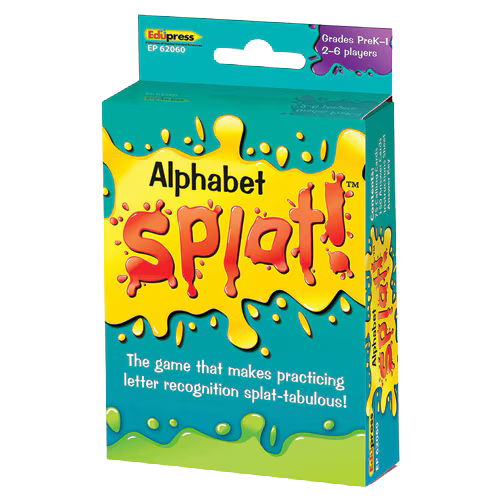
Reading skills can decline quickly during long breaks from school. Even 15–20 minutes of daily reading can help maintain vocabulary, comprehension, and fluency.
Allow children to choose books that match their interests and reading levels. Reading together, listening to audiobooks, and discussing stories can further strengthen language and literacy skills. Consistent exposure to print helps prevent the summer slide and supports academic success when school resumes.
3. Incorporate Movement Breaks Throughout the Day

Movement supports attention, self-regulation, motor planning, and overall physical health. Children who stay active during the summer are often better prepared to return to structured classroom routines in the fall.
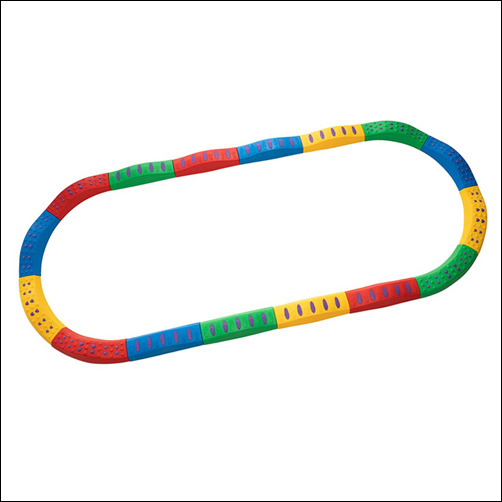
Simple activities such as obstacle courses, scooter board games, yoga, and outdoor play can provide valuable sensory and motor experiences. Therapro’s collection of Movement Activities offers fun ways to encourage active learning while developing balance, coordination, and body awareness.
4. Strengthen Visual Motor Skills Through Play
Visual motor skills help children coordinate what they see with how they move. These skills are essential for handwriting, cutting, sports participation, and many classroom tasks.
Games involving mazes, puzzles, target activities, tracing, and building challenges help develop visual motor integration. Many movement-based games also provide opportunities to strengthen visual tracking, eye-hand coordination, and spatial awareness.
By incorporating visual motor activities into everyday play, families can help prevent the summer slide while supporting readiness for academic tasks.
5. Turn Everyday Activities into Learning Opportunities
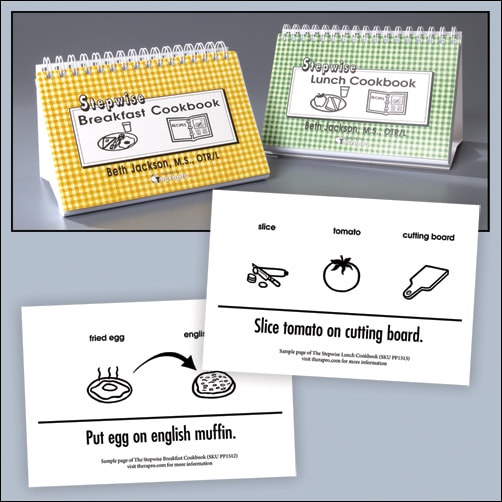
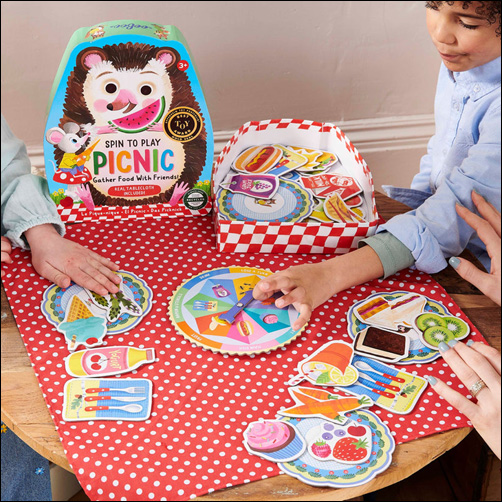
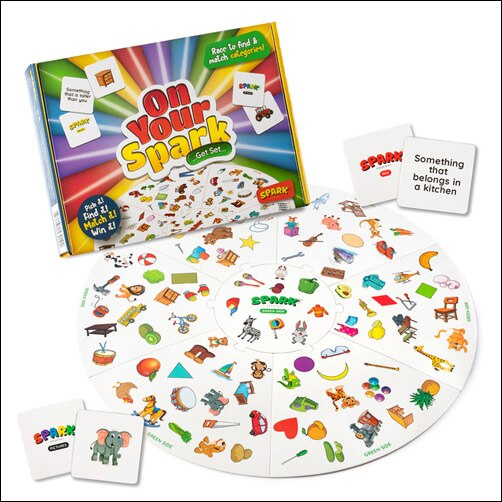
Learning doesn’t have to happen at a desk. Cooking, gardening, grocery shopping, and family game nights all provide opportunities to practice reading, math, problem-solving, communication, and motor skills.
Encourage children to read recipes, make shopping lists, measure ingredients, organize supplies, or help plan family outings. These real-world experiences build confidence and reinforce important developmental skills in a natural and meaningful way.
Keep Skills Strong All Summer Long
Summer learning doesn’t need to be complicated. A few minutes each day of purposeful play, reading, movement, and hands-on activities can make a significant difference. By taking simple steps to prevent the summer slide, families and therapists can help children maintain critical skills, build confidence, and return to school ready to learn.
Looking for more ideas? Visit the Therapro blog for additional resources and explore our collections of Fine Motor Activities and Movement Activities to support learning and development all year long.