Category Archives: Fine Motor & Hand Skill Development

Explore tools, games, and activities that support fine motor skill development including grasp, dexterity, hand strength, and coordination essential for functional tasks.

Activities That Build Fine Motor Skills

Fine motor skills are vital for many functional activities like zippering our coats, writing our name, and opening lunch containers. In this post we will take a dive into fine motor skill development and explore toys and activities that are appropriate for every skill level.  

Level 1

Fine motor skill development begins with the simplest hand movements; reaching, swiping, and gross grasp. As development progresses things like visually guided reach, purposeful release, and a better ability to hold medium and small sized objects develops. Poking, pointing, and the ability to use the thumb and first fingers to hold small objects are major milestones during this period. For children at this developmental stage activities that support the growth of the proximal muscles (core and shoulders) are important because it is these muscles that will support later fine motor skills. Activities that are done while on the tummy and activities that involve pushing and pulling are great choices at this stage.
Level 2

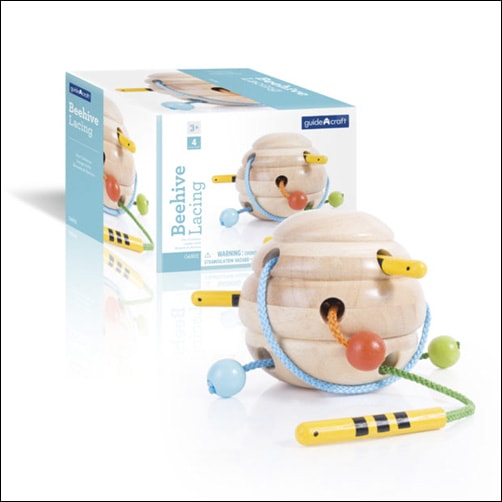
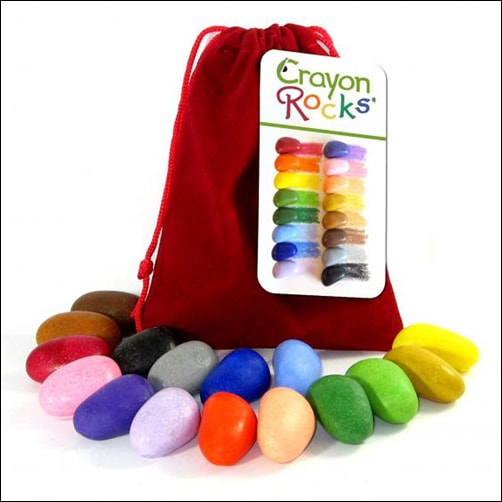
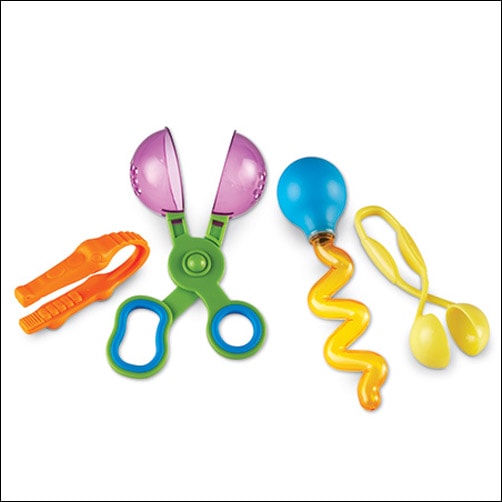
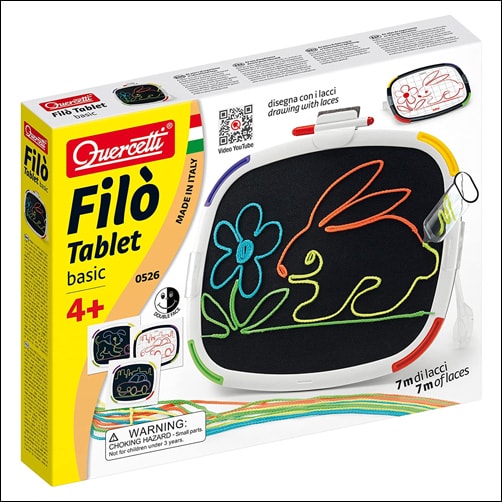
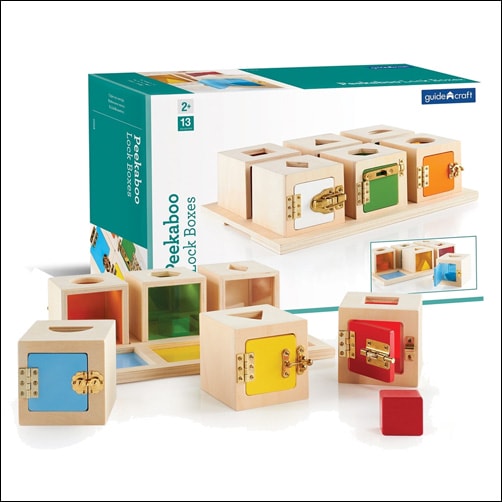
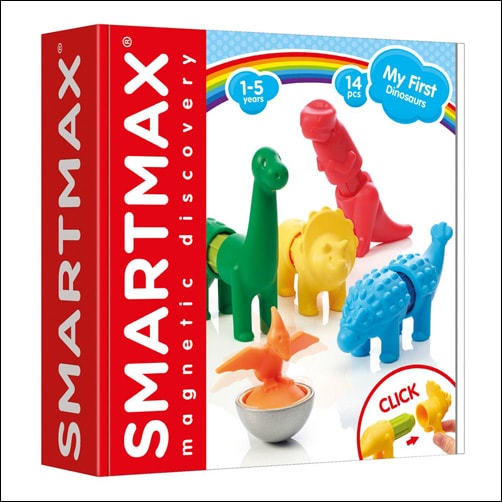
The next stage of fine motor development is marked by the ability to begin to use simple tools like crayons, scissors, and spoons. Activities like Lock Boxes are still great choices but now simple arts and crafts, lacing, and building activities can also be enjoyed. These increasingly more complex activities will lend to the development of the hand skills that are needed for greater independence with self care activities like feeding and dressing.
Level 3

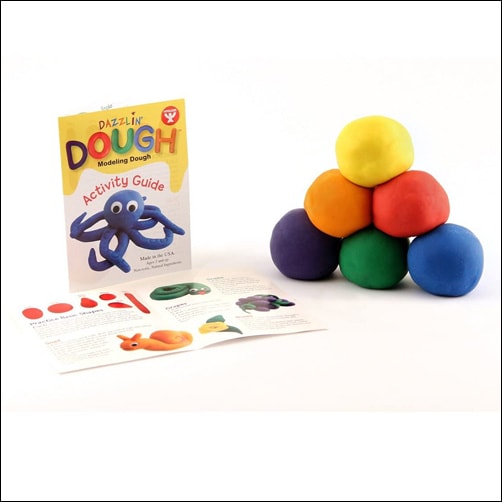
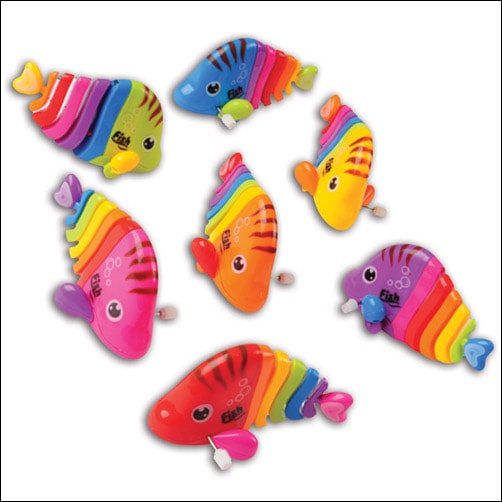
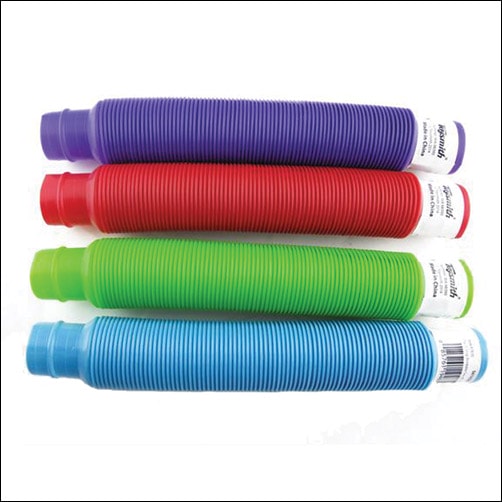
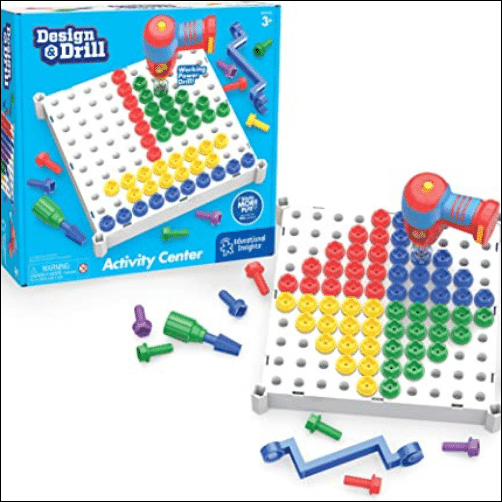
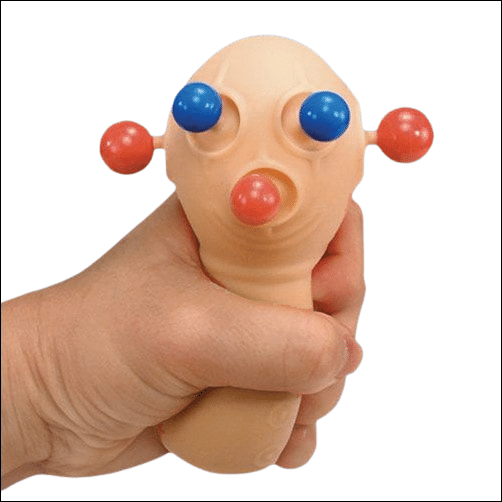
The next stage of development is marked by the ability to complete tasks that require the separation of the two sides of the hand; the ‘power side’ and the ‘skilled side’. The power side of the hand is what we use when we engage in activities that require strength like opening a jar; actions like squeezing a toy or playing in putty or playdough are great ways to develop these muscles.  The skilled side of the hand is what we use when we engage in activities that require refined movements like writing, tying, or fastening a button.  To develop these muscles we must engage in activities that predominantly require the use of the thumb and first two or three fingers; actions like winding the small knob on a wind up toy, using the first fingers to grab, grasp or manipulate objects, and using one finger to push a button or lever are all great ways to develop these muscle. The development of the separation of the two sides of the hands is important for academic and self care tasks.
Level 4

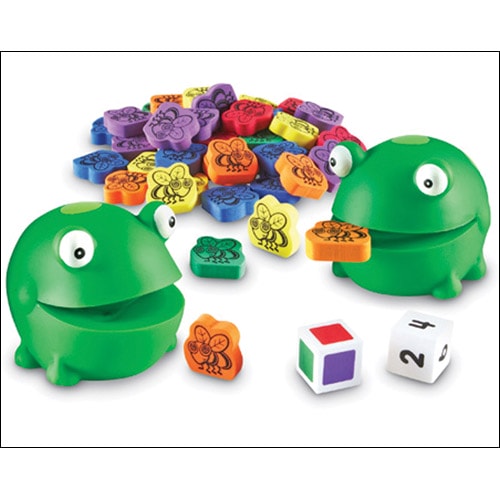
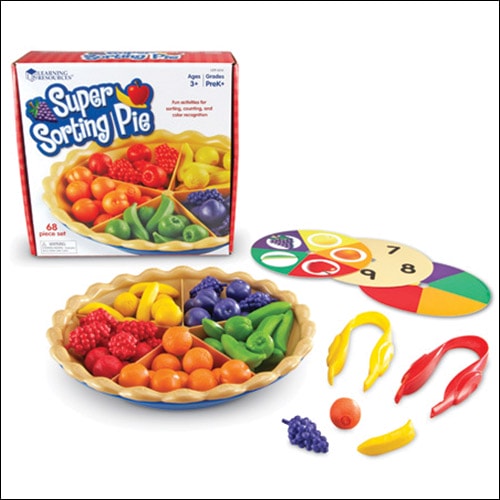
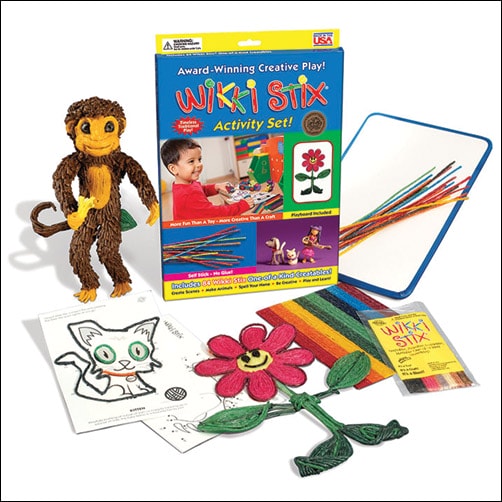
Hallmarks of this stage of fine motor skill development include the skilled coordination between the two sides of the body and a mature pencil grasp. Games like Froggy Feeding Fun and activities with Wikki Stix or Playdough are still great but now activities that require refined skill can also be introduced.
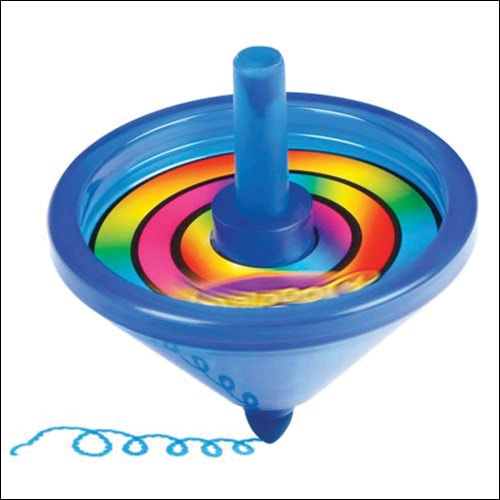
Choosing activities that are developmentally appropriate will ensure not only engagement but will also promote continued fine motor skill development.

More Than Just A Slant Board!

Slant boards are an invaluable therapeutic tool. They are a staple feature in classrooms and an added bonus to a well-equipped homework station. The versatility of slant boards allows for endless uses; they can be used at desks or tables during seated work, on a counter when working in a standing position, or even on the floor when working in the prone position (pro tip- this is a great way to develop important postural muscles!).  Some great benefits to using slant boards are:

Improve Pencil Grasp!
Writing on a surface that is positioned at an approximate 20 degree angle will put the wrist in the optimal extended position. This positioning encourages better pencil grasp and fine motor control.  Therapro’s Better Boards are lightweight and portable, making it easy to access the benefits of an angled writing surface just about anywhere!

Increase Attention & Focus!
Bringing visual information closer to eye level helps increase visual attention and focus.  It can also help decrease eye strain.  Place reading material on a slant board (or even a book holder) helps bring materials closer to eye level. 

Improving Posture!

Placing work materials on a raised surface, like a slant board, can help to decrease the rounded back posture. (Pro tip, ensure the angle of the slant board is at least at 22 degrees! ) The Aluminum Adjustable Slant Board and Adjustable/Collapsible Lightweight Slant Board both feature an adjustable angle, making it easy to find the perfect height!

Increasing Accessibility!
Many slant boards feature a clip to hold and stabilize papers. This feature is beneficial for one handed access or when bilateral coordination is decreased.  Write Slant Boards have an extra large clip for even easier access!

Slant boards are a great therapeutic tool for solving a variety of visual perceptual, fine motor and postural challenges!

Allyson Locke M.S., OTR/L & Sarah Glovasky M.S., OTR/L 

Keeping Skills Sharp All Summer Long

Summer activities are filled with opportunities for the continued development of skills learned during the previous academic year. Summer activities also provide numerous opportunities to develop and build skills that will be needed for the upcoming school year. 

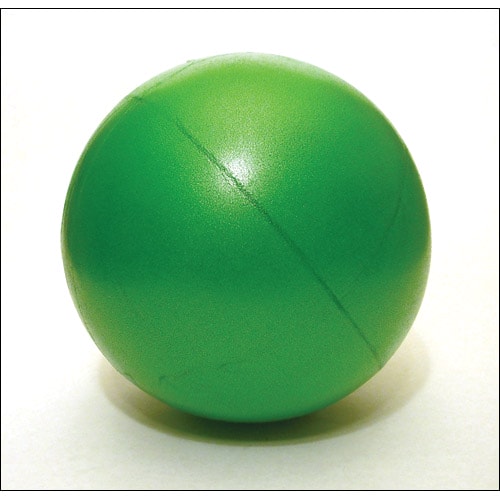
Play Ball! The visual tracking and coordination needed to accurately catch and throw a ball is linked to academic skills like copying from the board and handwriting.  Help develop these vital skill areas with simple ball games.  For beginners try using Magicatch or a Gertie Ball; these types of balls are easier to catch and help to build confidence while ball skills are developing. Build strength and increase body awareness using a weighted ball for a backyard bowling game! Add a sensory element with Porcupine Balls, Koosh Balls, or Slush Balls

Solve a Puzzle! Dot to Dot Books, Hidden Picture Activities, and mazes  are great rainy-day or long car ride boredom busters! They also offer opportunities to build visual perceptual skills and fine motor control that are essential for neat and legible handwriting.  

Cooking & Crafts! Students in older grades will be expected to follow schedules and take on large, multi-step projects. Crafts and cooking activities are great ways to prepare for these challenging expectations.  These activities offer opportunities for learning how to  follow sequential steps, manage time,  and problem solve.  Try the free Make & Eat Activities from Sensational Fun

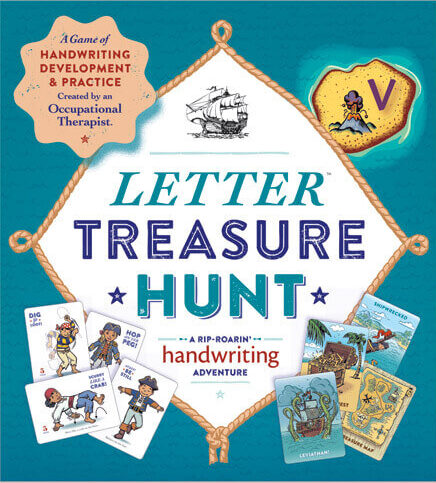
Play a Game!  With so many game options available there is no limit to the skills you can work on! Target executive function skills with the game Rush Hour, work on handwriting skills with Letter Treasure Hunt, or work on grammar skills with the game NOVENOPS!

Keep skills sharp and prepare for the upcoming school year with summer fun!