Category Archives: Assistive Technology

Delve into assistive technology solutions that support communication, mobility, and independent living for individuals with physical, cognitive, or sensory challenges in all settings.

Boy holding a pencil and writing using a slant board to assist

Empowering Classroom Engagement with Assistive Technology

Unlocking the keys to classroom participation and success begins with selecting the perfect low-tech assistive technology tools. Low-tech assistive technology refers to simple, basic tools or devices that assist individuals with disabilities in performing everyday tasks. Ensuring students have the ideal support not only fosters full engagement in classroom activities but also transforms learning into an enjoyable experience. Dive into the world of low-tech assistive technology with Therapro’s expert recommendations, paving the way for enhanced participation and a more fulfilling educational journey. Read on to discover the perfect low-tech assistive technology tools that can be empowering for classroom engagement.

Low Tech Tools for Positioning

Appropriate positioning has a powerful impact on classroom engagement. There are many low-tech assistive technology tools available to support proper positioning. These positioning materials will help students adjust their posture and their visual orientation.

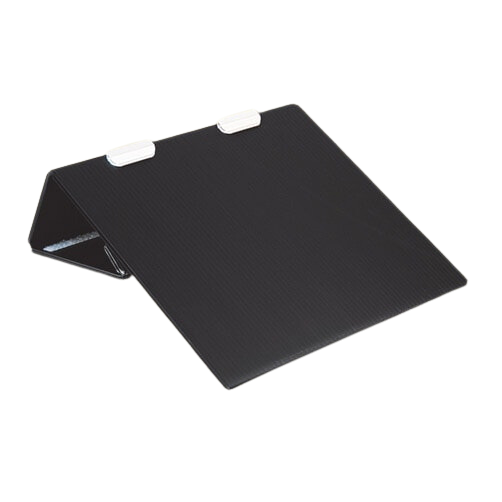
Slant Boards: Slant boards are available in various sizes and can accommodate different height levels when a student is seated. Most offer stabilization of paper on the board with a metal or plastic clip. Slant boards provide a number of advantages:

  • Encourage upright positioning
  • Align the wrist in slight extension
  • Bring writing paper and visual information closer to the eyes
  • Provide one hand access using the slant board clips
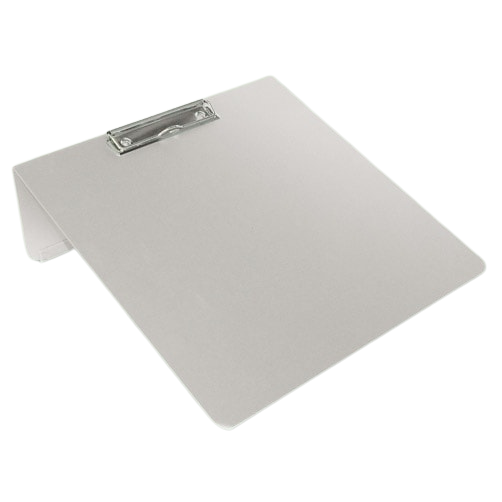
Aluminum Stackable Slant Board

A Therapro favorite is the Aluminum Stackable Slant Board, which is lightweight, durable, and easily stackable. The writing angle is ideal at 20 degrees. The non-slip edge strip prevents the board from sliding when in use.
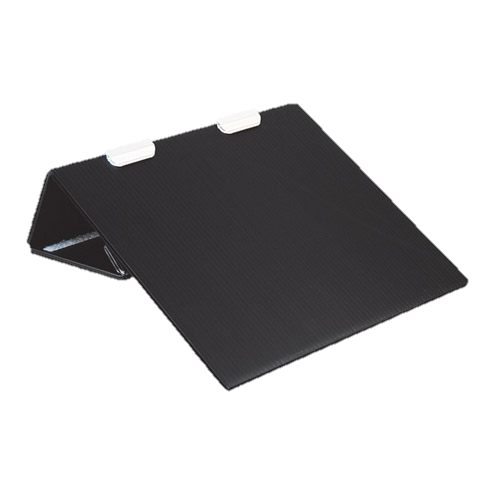
Slant board

Another great option is the Better Board Slant Board, which is a lightweight, collapsible slant board made of corrugated plastic that can be transported flat and stacked easily. Plastic clamps hold paper and it has “nonslip feet.”

Dycem: A positioning tool many occupational therapists love for its versatility is non-slip plastic called Dycem. It has innumerable creative uses in the classroom. It can be cut from a roll to the size needed to stabilize items on a desk surface, adapt handles, and be placed on a chair seat to prevent the student from slipping and sliding.
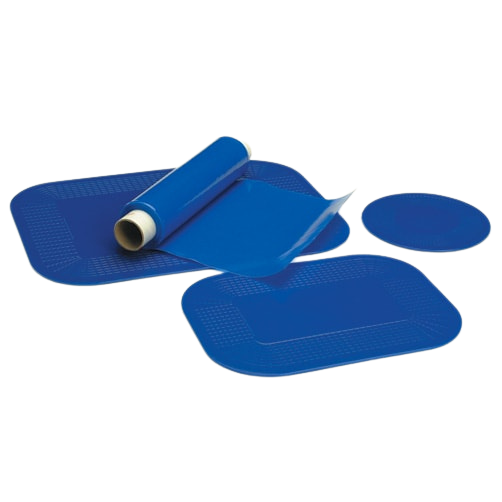
Blue Dycem a Non-slip plastic that solves a variety of stabilizing and grasping problems

Low Tech Tools for Reading

When it comes to reading, low-tech assistive technology tools can help students with key performance areas specific to reading including:

  • Tracking printed words
  • Focusing on a part of the page
  • Highlighting any written words
  • Magnifying words
  • Reading hands-free

Check out some of Therapro’s favorite low tech assistive technology tools for students with low vision or who have difficulty with the visual components of reading:
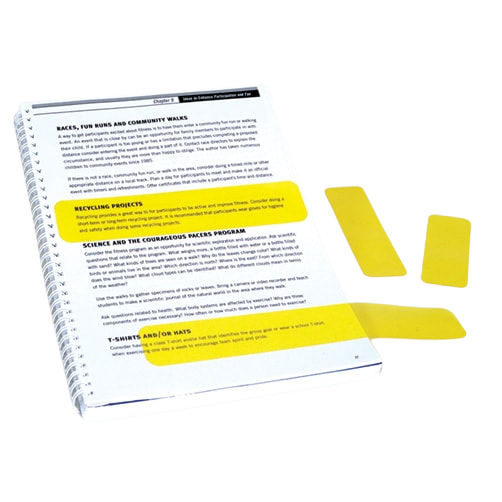
Highlighter Strips on a book page

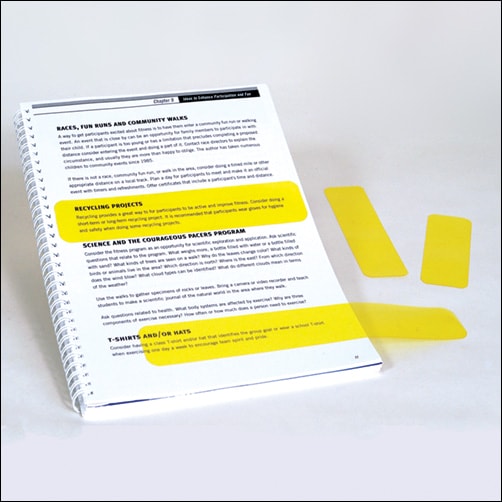
Highlighter Strips: A favorite tool is the brightly colored reading guide strips, called Highlighter Strips that are reusable bright yellow plastic strips that brighten any written word on a page. They measure 1.5” in height but come in a variety of lengths. They aid the student with visual processing difficulty or the student with who is needs help with focus and attention.

Reading Guide Strips

Reading Guide Strips: The Reading Guide Strips are simple yet powerful visual tools that help readers stay focused, improve tracking, support users with low vision, and reduce visual stress during reading tasks. To use, just place the strip over a page to highlight one line of text at a time.

Low Tech Tools for Writing

Tools that facilitate writing are abundant! They serve many purposes such as:

  • Hand and finger positioning for a writing utensil in the hand
  • Spacing, sizing, and alignment of letters
  • Weighting writing utensils
  • Creating handwriting lines

Check out these handy handwriting helpers that support legible handwriting:
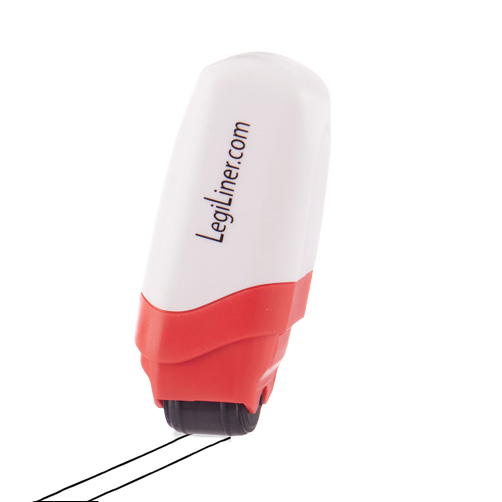
	
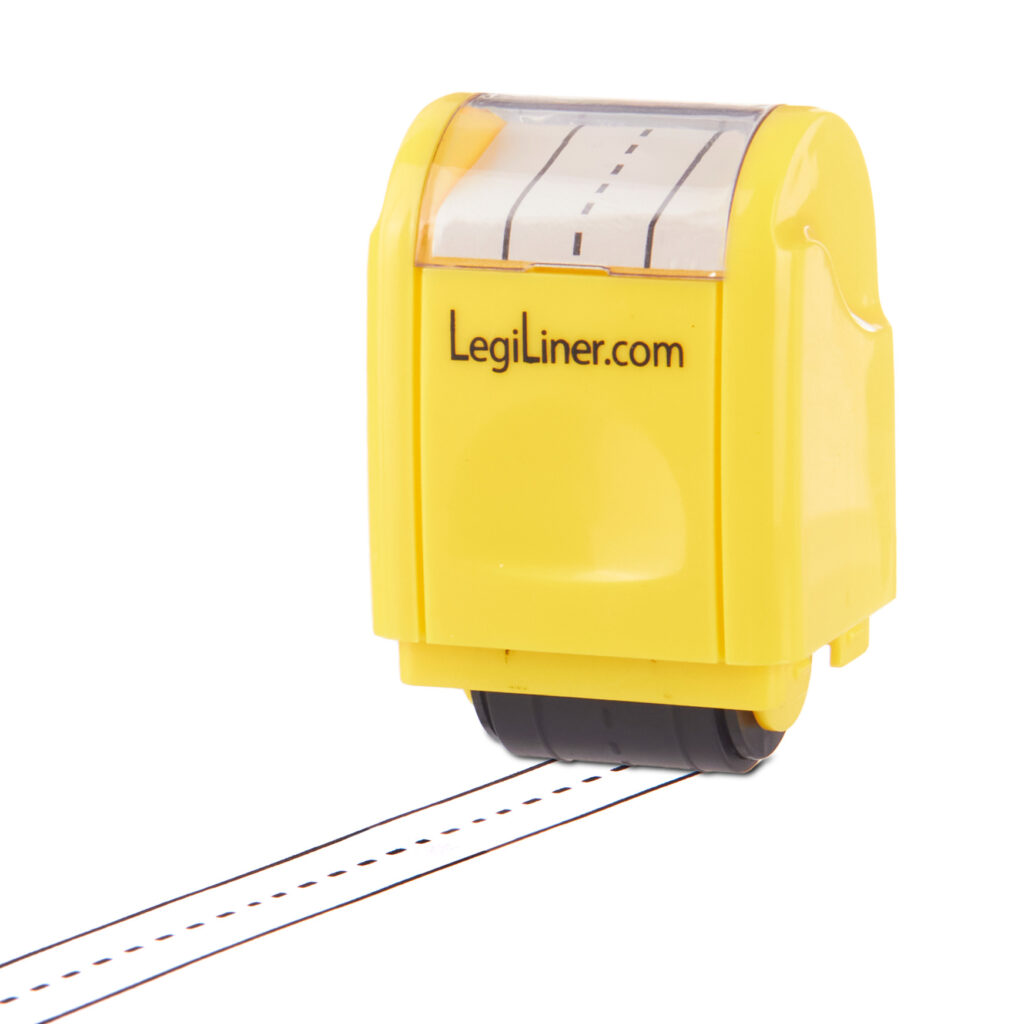
LegiLiner Double Solid Line 3/8' tall, Pen Style Rolling Ink Stamp

LegiLiners: LegiLiners are an innovative collection of tools that are both unique and practical. Using a variety of rolling ink stamps, they create handwriting lines to improve consistent letter size and placement on any writing surface. Create dashed lines with spaces, dotted stacked lines, number line, and much more! They are available in a Starter Kit that contains 5 of the stamps to get you started. Fourteen individual LegiLiners are available as well.
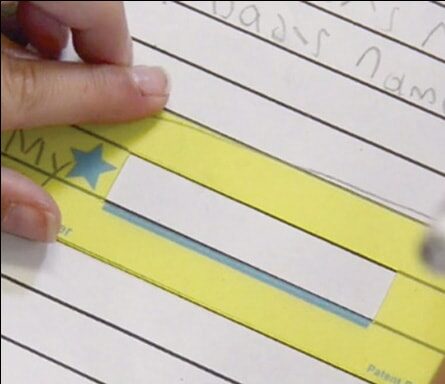
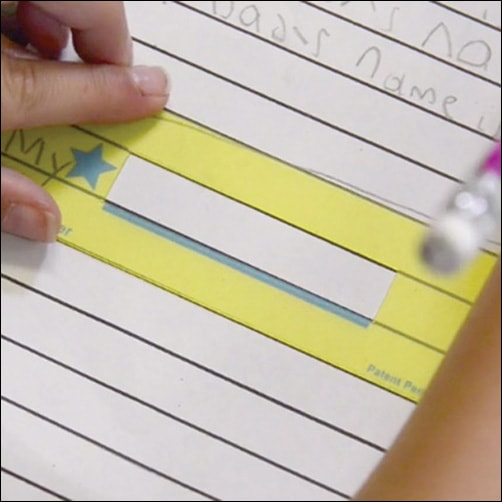
Star Spacer is a clever handwriting tool made of see-through plastic which acts as a guide to help the child understand spacing, sizing, and alignment of letters and words to promote more legible handwriting

Star Spacer: The Star Spacer is a plastic, see-through guide used to help students understand spacing, sizing, and alignment of letters. The results are immediate for more legible handwriting

Low Tech Tools for Math

Tools to make learning mathematics fun and practical utilize:

  • Hands-on learning
  • Sensory learning using tactile, kinesthetic, and visual cues
  • Interactive strategies

Therapro is your go to resource for products that support hands on mathematics teaching and learning, check out some of these clever tools:
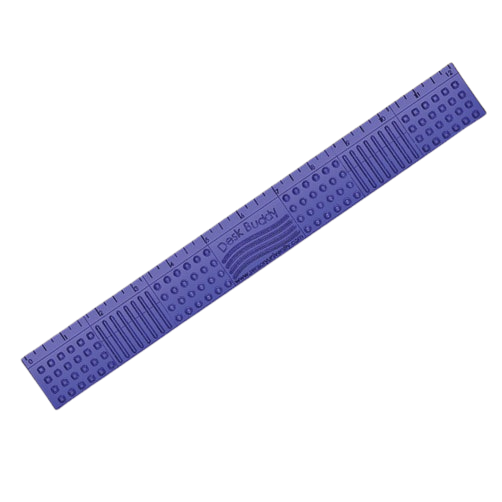
Multi Textured Tactile Ruler: The Desk Buddy Multi Textured Tactile Ruler resembles an actual ruler, but has the added benefits of a textured surface, being flexible, and being chewable. A great option for students who benefit from extra sensory input during learning activities.
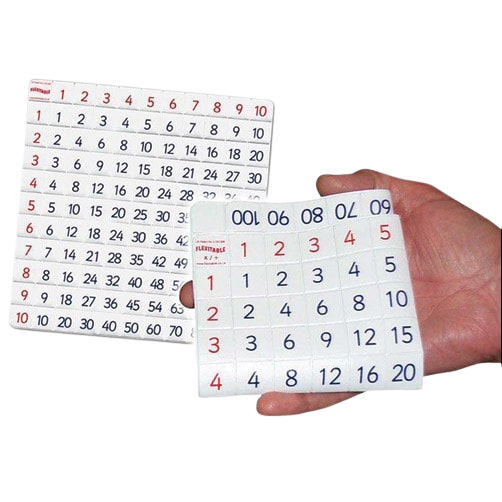
Flexitable: Addition and Subtraction

Flexitables: The Flexitable is a simple tool for teaching math concepts. It makes learning addition and subtraction an enjoyable and tactile experience. The soft, flexible, 7.75 inch plastic square grid with horizontal and vertical channels fold to reveal answers to addition/subtraction problem. Flexitables are also available for division, multiplication, and fractions.

For More Information on Assistive Technology:

Low-Tech Assistive Devices- A Handbook for the School Setting: Low tech assistive technology tools facilitate learning and participation in the classroom. A classic resource book that therapists are passionate about is Low-Tech Assistive Devices: A Handbook for the School Setting, by Lynn Stoller, OTR/L. It is chock full of step-by-step directions and illustrations for fabrication of low tech tools. Chapters include tools used throughout the school setting (i.e. positioning, mobility, time management and organizational tools) and tools specific to curriculum area (i.e. reading, writing, math, music).

Low tech assistive technology can be a game changer for engaging students in the learning process and are vital in helping all learners access classroom learning experiences. Up your A-Tech game now with assistive technology tools from Therapro!

Guest Blogger: Filomena Connor, MSOT, Retired
The functionalhand

Celebrating Independence Day: Tools for Independent Living

Independence Day is a time to celebrate freedom and the spirit of self-reliance. For occupational therapists, this occasion holds a special significance as they empower individuals to regain independence in their daily lives. In this blog post, we will explore three remarkable tools that occupational therapists use to support independent living: the FunctionalHand, EaZyHolds, and Sock Aids. These innovative devices have revolutionized the way people with physical limitations can perform essential tasks, enhancing their overall quality of life.

The functionalhand

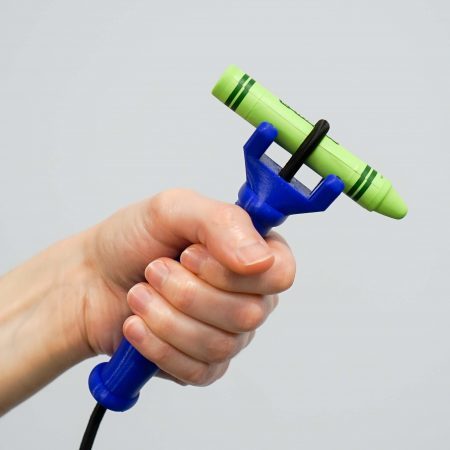
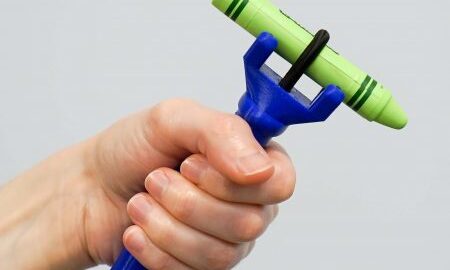
Functional Hand: The FunctionalHand is a groundbreaking tool designed to assist individuals with limited hand dexterity and strength. Occupational therapists recognize the importance of hand function in performing numerous activities of daily living (ADLs), such as eating, grooming, and writing. Created by Linda Merry, OTR and Celine Skertich, PT the FunctionalHand is tailored to assist individuals who have difficulty with grasp, providing a means to hold objects for fun and function. Check out this video of Krista painting her nails using the FunctionalHand, By promoting independence in ADLs, the FunctionalHand restores confidence and autonomy to individuals facing hand-related challenges.

EaZyHolds

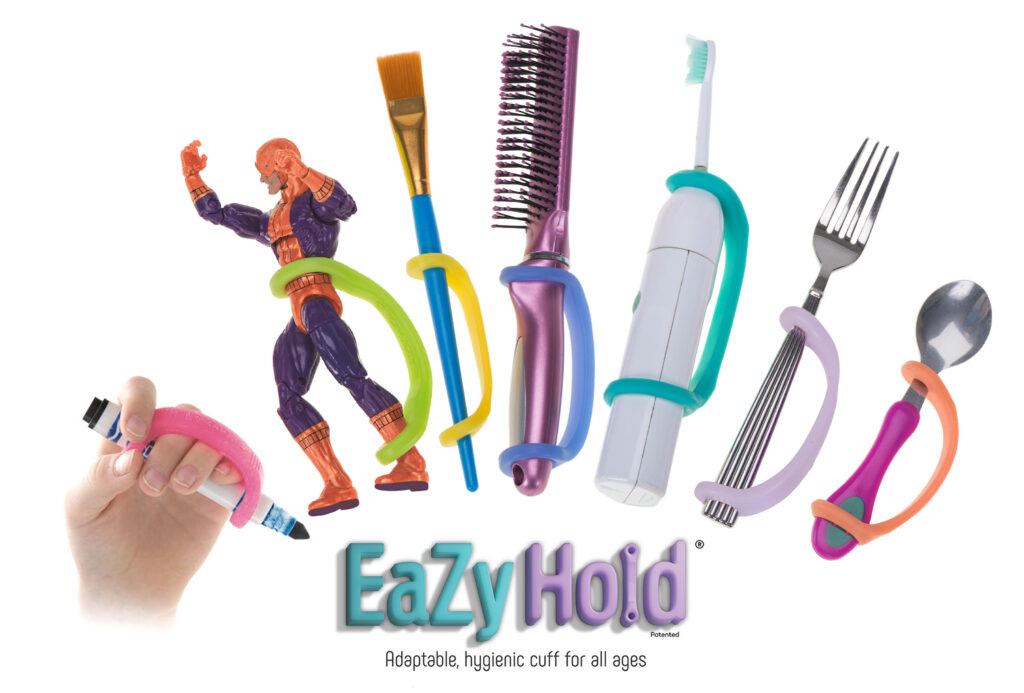
EaZyHolds: Another remarkable tool in an occupational therapist’s arsenal are EaZyHolds. This ingenious device addresses the difficulties faced by individuals with reduced grip strength or fine motor skills. EaZyHolds can be attached to a variety of objects, such as utensils, brushes, and writing instruments creating a strap that minimizes the need for grip strength. These handles ensure a secure and comfortable grip. By minimizing the effort required to hold objects, EaZyHolds empower individuals to engage in activities they may have previously found challenging. Whether it’s enjoying a meal, painting, or digging in the garden, EaZyHolds promote independence and enable users to pursue their passions with confidence.

Sock and Stocking Aid

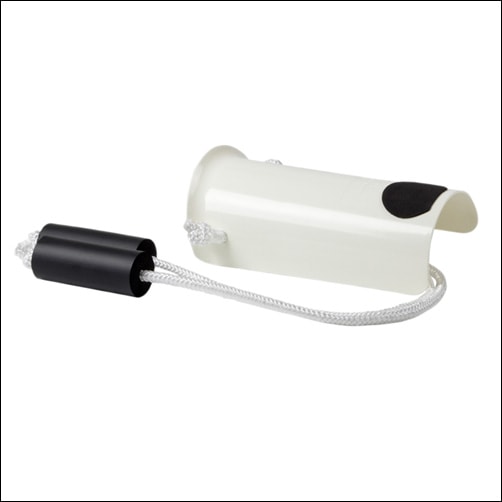
Sock Aids: Putting on socks may seem like a simple task for most, but for individuals with limited mobility, it can be a significant hurdle. Sock Aids are assistive devices designed to make donning socks a breeze. Occupational therapists often recommend Sock Aids to individuals with arthritis, back pain, or limited range of motion. These devices consist of a flexible, sock-shaped cradle attached to long handles. By sliding the sock onto the cradle and using the handles to position it on the foot, individuals can effortlessly put on their socks without straining or bending. Sock Aids not only save time and energy but also restore a sense of independence in dressing, allowing individuals to start their day on the right foot.

As we celebrate Independence Day, it is important to acknowledge the invaluable role occupational therapists play in promoting autonomy and self-sufficiency. Through innovative tools like the FunctionalHand, EaZyHolds, and Sock Aids, these professionals empower individuals with physical limitations to overcome challenges and regain independence in their daily lives. By harnessing the power of technology and creative design, occupational therapists inspire hope, resilience, and a renewed sense of freedom. Let us salute their unwavering dedication and commitment to enhancing the quality of life for countless individuals, as we commemorate the spirit of independence on this special day.

Star Spacer is a clever handwriting tool made of see-through plastic which acts as a guide to help the child understand spacing, sizing, and alignment of letters and words to promote more legible handwriting

Using Assistive Technology to Engage All Learners

On June 8th the Therapro team was supposed to set up a booth at the 2023 New York City’s Department of Education (NYCDOE) Assistive Technology Expo but unfortunately poor air quality from the Canadian wildfires meant the event was canceled. However, we still wanted to showcase the many ways assistive technology can be used, in the classroom, to engage all learners. In this blog post we are covering the modification ideas we were planning to display at the conference.

Reading

There is a lot involved in reading a book; readers must have the ability to attend and focus, they must have the fine motor ability to turn the pages of a book, and they must have the visual skills needed to see the words on the page. When reading a book is further complicated by these challenges, engagement can decrease. Fortunately, there are several ways assistive technology can be used to address these challenges.

HIGHLIGHTER STRIPS

Adaptations for Low Vision or Decreased Focus

Highlighter strips are simply strips of specially designed yellow material that stick to the pages of a book with static electricity. Highlighter strips brighten written words on a page making visual processing easier. These strips are especially useful for students with attention difficulties or who have low vision.

Black better board slant board

Slant boards have a variety of uses, for students who have difficulty with attention and focus they are a great tool to use when reading! The angle of the board will bring the book closer to eye level minimizing distractions and increasing focus. Pro tip: Learn more about the different uses of slant boards in our previous post: More Than Just A Slant Board!

Adaptations for Fine Motor Difficulties

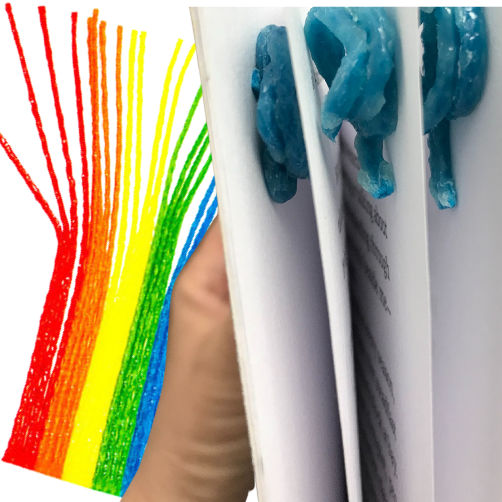
Wikki Stix are wax colored strings that are often used for craft projects. However, these moldable, slightly sticky strings are a great option for creating removable ‘page lifts’. Simply shape the Wikki Stix into a small spiral or mound and place one on each page of a book. This will separate the pages of the book making it easier for students with fine motor limitations to turn the pages of the book.

BIG Step-by-Step with Levels

Adaptations for Emerging Readers

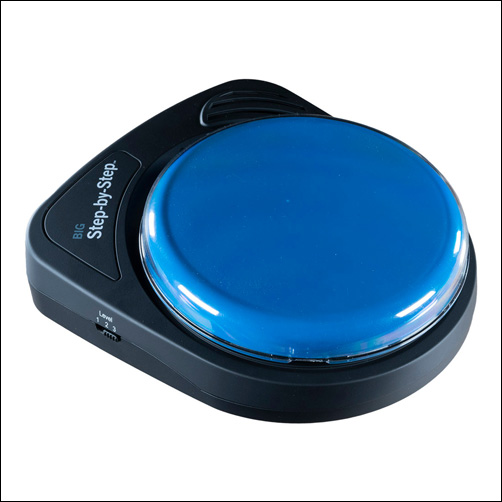
Step by Steps (available as Little or Big) are often used as communication devices. However, they can be a handy tool for learners with limited or emerging literacy skills. To use, record as you read aloud the pages of the book. When the user is ready to ‘read’, they would hit the switch to hear the recording of the book. To make this more interactive and to better imitate the act of flipping through the pages of a book, use the sequential feature to record page by page. With this the ‘reader’ would hit the switch to hear what is on the next ‘page’.

To learn more about supporting literacy skills check out the January 2022 post, Supporting Reading: More Than Just Literacy Skills

Writing

Just like reading a book, writing also requires many skills; these skills include the fine motor ability to effectively hold a writing utensil, the visual perceptual ability to coordinate visual input with motor output, and the sensory ability to accurately grade force. Difficulties in any of these areas can adversely effect handwriting legibility, speed, and endurance for writing tasks. The good news is that there are many accommodations and modifications that could be used to help with these difficulties.

Adaptations for Decreased Handwriting Legibility

Handwriting legibility is often influenced by writing with poor sizing, difficulty orienting letters to the writing line, or letter spacing issues. Check out some of the options available to address these areas.

  • LegiLiners: LegiLiners are a rolling ink stamp that can be used to create a writing line on paper with open spaces. A writing line can be a game changer for students who have difficulty writing with the appropriate size. LegiLiners are available in a variety of styles and even have some great options to help out in math class!
Yellow legi liner
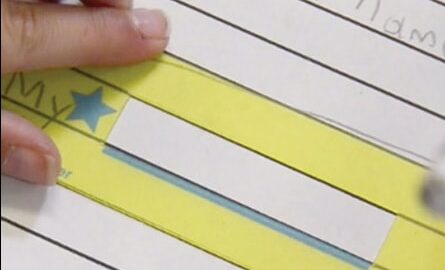
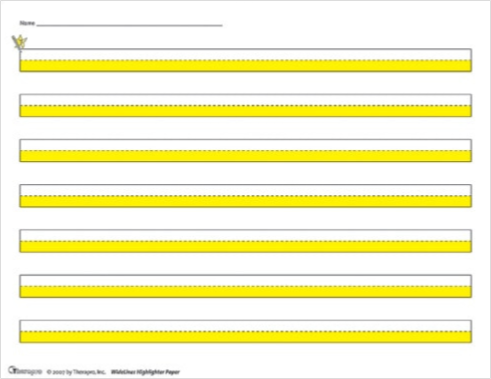
  • Highlighter Paper: Highlighter paper features highlighting in the lower writing area (available is yellow or blue). This highlighting helps indicate where letters should be placed. Another feature of highlighter paper is that the solid lines have been separated to assist the student with locating the writing area.
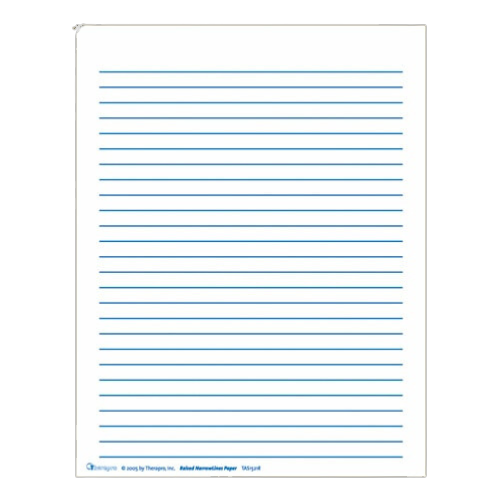
  • Raised Line Paper: Raised line paper is a unique paper that features a subtle raised line to indicate the top and bottom writing line. These gentle cues can be a great reminder for students who write outside of the writing area.
Narrow lined raised line paper
  • Spacers: Finger Spacers and Star Spacers each offer support to help students better understand correct spacing. The Finger Spacer is a great tool to teach correct spacing between written words; it is available as a one finger (1st to 3rd Grade) or two finger Pre-K to 2nd Grade) spacer. The Star Spacer is a clever handwriting tool made of see-through plastic that acts as a guide to help the child understand spacing, sizing, and alignment of letters and words to promote more legible handwriting.

Handwriting Speed & Endurance

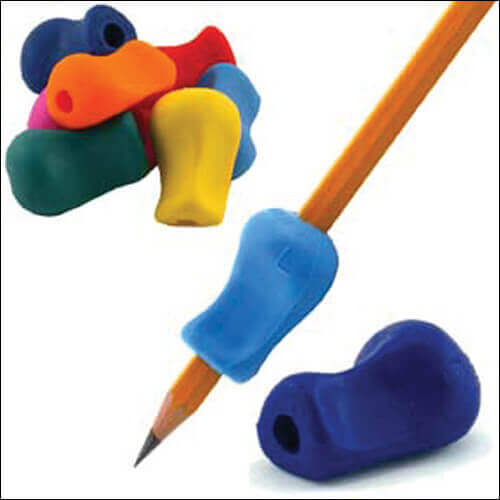
Handwriting speed and endurance for writing tasks is often impacted by difficulties related to grasp. Pen and pencil grips are a quick and easy solution. The blog post Get A Grip on Pencil Grips and Adapted Writing Tools! covered this topic extensively. Therapro also has a free handy guide, Get A Grip on Pencil Grips  that helps determine the best grip to fit your needs.

Extracurricular Activities

Difficulty grasping objects can impact a student’s ability to not only participate in academic tasks but can also impact the student’s ability to participate in extracurriculars like music or art class. Two unique devices to help with grasp and grip are the Eazyhold Universal Cuffs and the the functionalhand.

EaZyHolds

Eazyhold Universal Cuffs are an innovative solution to help students who have a weak or non existent grasp. These handy tools can be used not only in the classroom but also during extracurricular activities like holding a paintbrush in art class, holding drumsticks in music class, or a water bottle during gym. The silicone strap simply drapes over the back of the hand and the object is inserted into the two holes on opposite ends of the Eazyhold allowing the object to be securely held with the palmer side of the hand. Pro tip, not sure which Eazyhold is right for you? Check out Therapro’s What Can I Adapt Handy Guide for sizing recommendations!

The functionalhand

The functionalhand is another tool to aid grasp. The functionalhand‘s unique and flexible design allows the users to hold functional tools of many shapes and sizes in both the vertical and horizontal orientation. It is truly a universal cuff that is durable and supports a wide age range and types of disabilities. Pro Tip the functionalhand and Eazyholds work great when paired together to offer students both control and a secure grasp on tools.

Therapro had many ideas ready to display at the 2023 NYCDOE Assistive Technology Expo; we are disappointed we couldn’t meet you all in person but we are glad to have the opportunity to share these ideas here!