Category Archives: School-Based Practice

Discover school-based therapy resources and intervention strategies tailored to therapists working in educational environments. Support student engagement, learning, and development through targeted tools that align with IEP goals, classroom expectations, and inclusive practices.

New Year, New Goals: Turning IEP Objectives Into Daily Practice

January is a natural reset point in schools and therapy settings. IEP goals are active, routines are re-established, and teams are asking an important question: Are our goals showing up in daily practice? Effective functional IEP goal implementation goes beyond isolated therapy activities; it ensures skills are practiced meaningfully across classrooms, therapy sessions, and home routines.

Too often, IEP objectives are addressed only during scheduled service time. While direct intervention is essential, true progress happens when goals are embedded into everyday tasks. This means shifting from “therapy-only” strategies to functional, repeatable opportunities throughout the day.

From Goals to Real-Life Skills

Functional IEP goals should answer one key question: What will this student be able to do more independently in daily life? Whether the goal targets fine motor skills, sensory regulation, attention, or executive functioning, carryover is critical.

Drive Thru Menus

One effective approach is using structured, classroom-friendly tools that support consistency across providers. Drive-Thru Menus® are a practical example. These activity cards combine movement, academics, and sensory input, making it easier for teachers and therapists to reinforce goals such as attention, postural control, and self-regulation during natural transitions, not just during therapy time.

Supporting Sensory and Self-Regulation Goals

Just Right! A Sensory Modulation Curriculum for K–5

Many IEPs include goals related to sensory modulation, emotional regulation, or classroom participation. The Just Right! Sensory Modulation Curriculum helps teams use shared language and evidence-based strategies to support these goals throughout the school day. When everyone, from therapists to classroom staff, understands why a strategy is used, implementation becomes more consistent and effective.

Embedding sensory strategies into morning routines, work periods, or transitions allows students to practice regulation skills when they matter most.

Making Fine Motor Goals Functional

Fine motor goals should directly support classroom performance, not just skill acquisition. Resources like the Fine Motor Skills in the Classroom help therapists and educators design interventions that improve handwriting, tool use, and classroom participation while aligning with educational demands.

By focusing on functional outcomes—such as completing written assignments or managing classroom tools—teams can better track progress and demonstrate meaningful growth.

Collaboration Is the Key

Successful functional IEP goal implementation relies on collaboration. When therapists, educators, and families use shared tools and strategies, students experience consistent support across environments.

For more ideas on embedding therapy goals into daily routines, explore the Therapro Blog or browse Therapro’s classroom-ready therapy resources designed to support carryover beyond the therapy room.

Adapted Scissors Guide: Finding the Right Fit for Every Learner

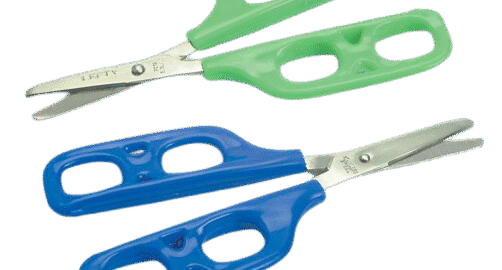
When it comes to developing essential cutting skills, adapted scissors for kids can make all the difference in supporting learners with physical, cognitive, or sensory-motor challenges. Therapists, educators, and parents know that one size rarely fits all—especially when it comes to fine motor tools. At Therapro, our wide selection of adaptive scissors offers tailored options to meet diverse needs, from improving grip and control to promoting bilateral coordination. This guide compares popular adapted scissors and offers practical tips for selecting the right tool based on each child’s abilities and goals.

1. Easi-Grip Loop Scissors:

Easi-Grip Loop Scissors

Ideal for children with weak grip strength or limited dexterity, Easi-Grip Loop Scissors feature a self-opening mechanism and a continuous loop handle that automatically reopens after each cut. These are particularly effective for learners who have difficulty with standard scissor action due to conditions such as cerebral palsy or low muscle tone. Tip: Position the paper vertically to allow more shoulder stability while cutting.

2. Mounted Table Top Scissors:

For learners with severely limited hand function or the inability to grasp, Mounted Table Top Scissors can be operated with the palm, elbow, or even a fist. They stay secured to a surface and allow for one-handed use, making them an excellent choice for children recovering from surgery or those with hemiplegia. Tip: Use with a non-slip mat to ensure stability and safety during use.

Mounted Table Top Scissors

3. Dual-Controlled Training Scissors:

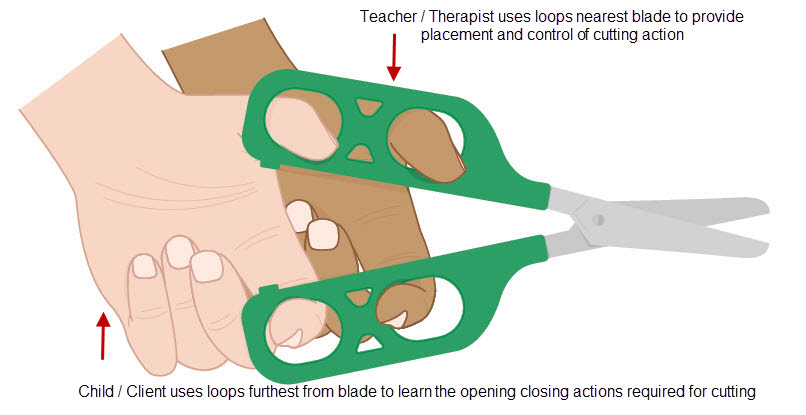
Dual Control Teaching Scissors

Perfect for developing scissor skills with adult support, Dual-Controlled Training Scissors allow a therapist, teacher, or parent to guide the cutting motion alongside the child. This model is ideal for beginners who need extra hand-over-hand support while learning proper finger placement and control. Tip: Use these scissors for modeling open-close sequences before transitioning to independent use.


Therapist Tips for Success:

  • Start with snipping activities using short strips of paper to build confidence.
  • Reinforce midline orientation by centering the cutting activity.
  • Combine cutting with visual-motor integration tasks to strengthen tracking and planning skills.

Selecting the right pair of adapted scissors for kids can significantly enhance a learner’s sense of independence and participation in school and home activities. Visit the Adaptive Scissors Category Page for our full selection.


By choosing the right adapted scissors and using strategic therapist-informed techniques, you empower every child to achieve cutting success—one snip at a time.

Integrating Fine Motor Practice into Centers and Push-In OT

Therapro's Hand Skills and Refinement Kit

An important goal for school-based occupational therapists is to make therapy functional, inclusive, and accessible, especially within the general education setting. Supporting fine motor skills in push-in OT is a practical way to meet students where they are, and the Therapro Hand Skills Development and Refinement Kit is a go-to resource for doing just that. With ready-to-use materials designed for classroom use, this kit helps therapists promote fine motor development right where students learn best: in the classroom

This ready-to-use kit makes it easy to embed meaningful, goal-directed activities into daily routines—whether setting up a fine motor center, co-teaching during morning rotations, or working side by side with a student during a push-in session.


Why Use a Kit in the Classroom?

Fine motor challenges often show up in everyday school tasks, like cutting, writing, opening containers, or manipulating classroom tools. Rather than pulling students out of class, bringing therapy to them increases participation, generalization, and confidence. Using a structured kit like this means therapists can quickly set up engaging, developmentally appropriate activities with minimal prep and maximum impact.


Classroom Centers: Fine Motor Skill Building for All Students

In many classrooms, the teacher rotates small groups through learning stations. Occupational therapists can collaborate with teachers to include a Fine Motor Center using components from the kit. Here are some examples of center activities using included items:

  • Link ‘N Learn Links: Students connect links by color or pattern, working on bilateral coordination and hand strength. Try timed races or spelling challenges using linked letter cards.
  • Plastic Coins + Mini Dice: Use for grasp and release, sorting by size, or simple coin/dice math games to combine cognitive and motor skills.
  • Charm and Round Pop Beads: Encourage students to snap together and pull apart to build finger strength and precision.
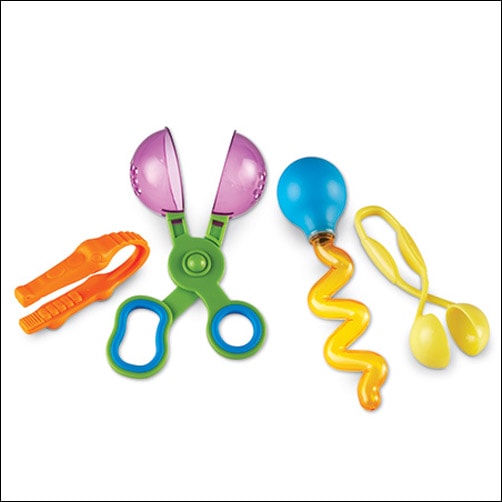
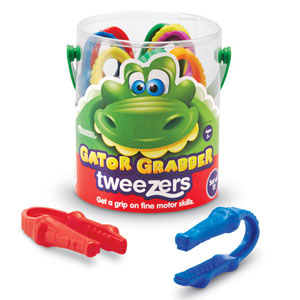
  • Jumbo Tweezer: Pick up beads, coins, or classroom manipulatives for a fun twist on sorting or math tasks.

Each activity strengthens key hand skills while aligning with academic or classroom goals, making OT strategies visible and relevant.


Push-In Sessions: Targeted Goals, Real-Time Coaching

During push-in OT sessions, therapists can work directly with students at their desks or in small groups using the kit for skill-specific interventions. Some favorite applications:

  • Nut & Bolt Pairs: Great for developing bilateral coordination and fine motor precision.Try pairing this with a visual scanning or matching game.
  • Eye Droppers: Use with water or colored liquid on a laminated target sheet for pincer grasp refinement and hand stability.
  • Spinning Tops: A motivating tool for wrist stabilization and isolated finger movement—plus they’re fun!
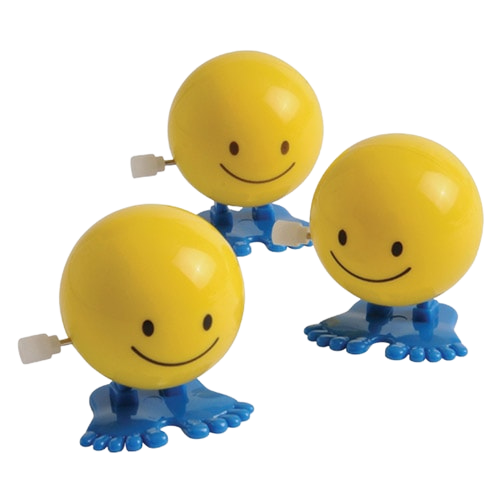
  • Smiley Face Wind-Up Toy: Wind and release to work on grasp strength and bilateral sequencing, then challenge students to estimate distance or race them.
  • Standard Pencil: Practice proper grasp, pencil control, and name writing during writing tasks.

The variety of tools makes it easy to individualize for different goals, from improving endurance for writing tasks to strengthening prehension patterns.


Tips for Success

  • Build routines around the kit—students love knowing what to expect each week.
  • Create task cards with visual cues to promote independence at centers.
  • Use classroom themes (e.g., math, science) to tie fine motor activities to curriculum goals.
  • Share progress with teachers and families using simple checklists or observation notes.

Final Thoughts

The Therapro Hand Skills Development and Refinement Kit offers a practical, engaging, and inclusive way to support fine motor development where it matters most—in the classroom. Whether you’re creating a fine motor center or joining in a push-in session, this kit makes it easier to integrate therapy into the flow of learning.

Want to learn more or grab a kit for your school? Check it out here.