Not even an anticipated nor’easter kept 30 hardy New Englanders from attending last Saturday’s seminar at Therapro, Analyzing Activities for Improving Student Hand Function! Marcia Bridgeman, MHA, OTR/L presented an interesting, well paced seminar that engaged her audience fully as she seamlessly mapped hand development from birth to elementary school age, linking the development of hands to functional skills.
Marcia is the author of the newly revised Fine Motor Olympics (2016) that includes a Manual and 64 beautiful color photo cards of children’s hands performing fine motor tasks with instructions on the reverse side of the cards. A Guide to Hand Function, Quick Screening Form, Fine Motor Observation Checklist, Record Form, and In-Service Training Program are included in the Manual. She currently has a private practice through which she provides consultation and direct service to several Massachusetts school systems.
Interspersed within a comprehensive review of motor development and hand function from newborn to age 6, Marcia discussed functional fine motor activities expected at the corresponding developmental stages. For example, around the age of 7 months, many essential new fine motor skills are emerging including finger isolation, open web space, opposition, and thumb isolation. She matched simple activities to this developmental level, such as tearing paper, turning knobs on an Etch-a-Sketch, and spinning a top, to name a few!
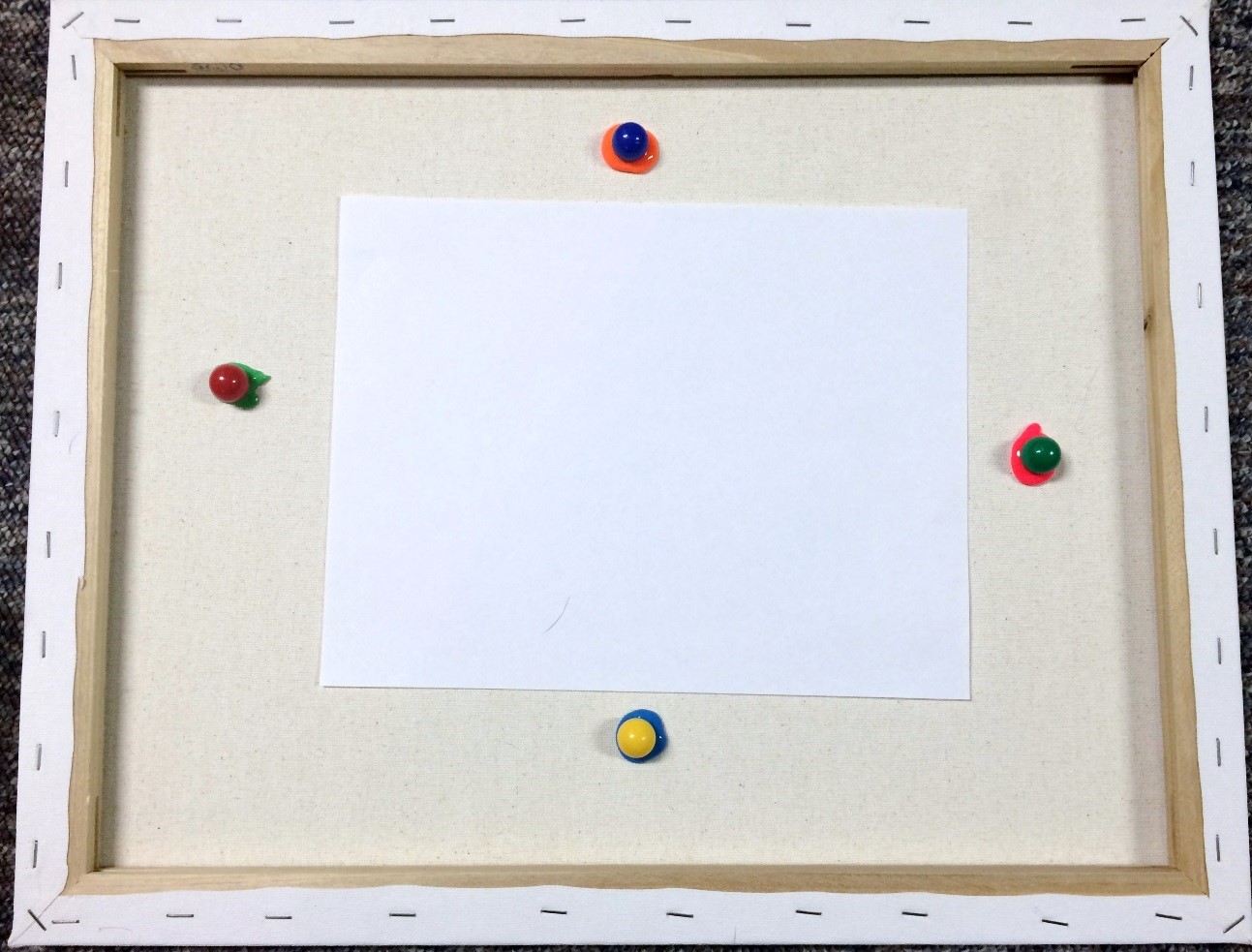
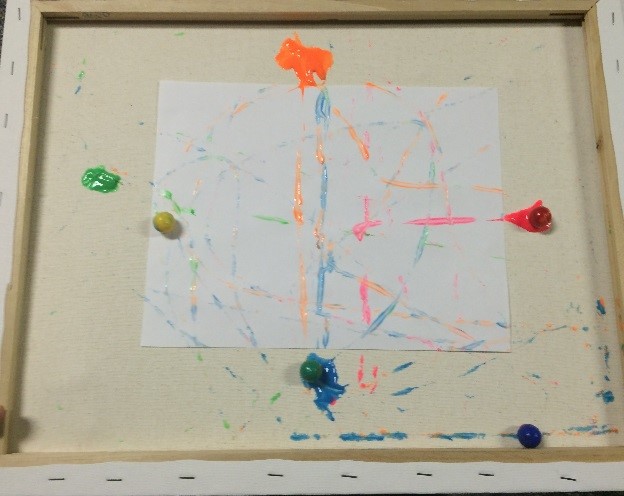
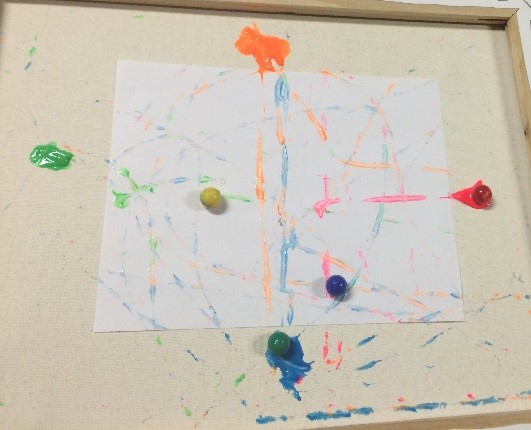
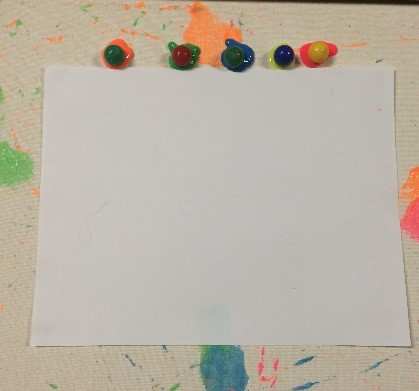
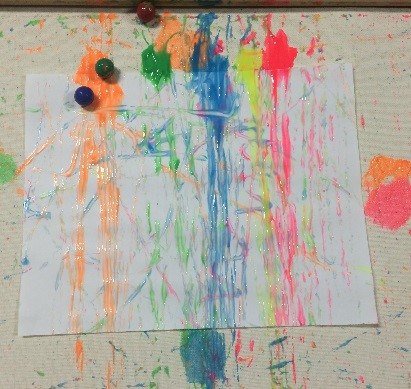
 Seminar attendees thoroughly enjoyed breaking into groups and trying out 8 original fine motor activities that Marcia created that are not included in the 64 activity cards included in Fine Motor Olympics. The activities included activities like creating a spider web in a plastic basket and moving the spider in the web, using a variety of tongs to hunt tiny dinosaurs, balancing marbles on golf tees, and threading straws into toilet paper cardboard rolls punched with holes. The groups engaged in activity analysis and shared their comments with the rest of the group. Attendees took away new, inexpensive ideas to engage the entire classroom and facilitate development of hand musculature and arches of the hand for optimal function. In addition to the new activities Marcia introduced today, she highlighted a number of fine motor Therapro products she loved, including Froggy Feeding Fun, Wind Up Walking Robots, Boinks, Tall Stacker Pegboard Set, Get A Grip Pegboard, and Magnetic Marbles. She discussed conventional uses for the materials and also adapted the materials creatively and adeptly to help develop muscles of the hand. Some activities incorporated use of intrinsic muscles in translation activities, for example: moving a small single object fingers to the palm (1.5 – 2 years) and from palm to fingers (2.0 – 2.4).
We couldn’t think of a more fun way of spending a snowy Saturday morning than analyzing both innovative and familiar fine motor activities, and sharing thoughts on how to help develop better hand function in the classroom setting in a fun way.
Take a look at the glowing comments Marcia’s seminar generated:
“Great combination of visuals, interactive experiences & developmental stages. Great workshop for OT rookies or vets!” Karen D., Occupational Therapist
“As a teacher, I’m certainly not an expert on OT issues students may be experiencing. This seminar helped to raise my awareness and sensitivity to these issues. Great suggestions for how I can help these students in easy, quick, fun ways.” Maura M., Teacher
“This seminar revisited & reviewed a lot of what I learned in school (great refresher) however I’ve had colleagues who did not have pediatric courses regarding this!” Kelly V., Occupational Therapist
“Very informative; great to be interactive & experience/explore activities!” Caitlyn D. COTA
“Such meaty well organized info on hand development, screening, and activities to help hand function.” Alice T., Occupational Therapist
Thank you, Marcia!
Filomena Connor, MS, OTR/L