
National Handwriting Day, observed on January 23, offers an opportunity for therapy providers and educators to reflect on what truly supports handwriting success in today’s classrooms. While technology continues to grow, handwriting remains a foundational skill tied to academic performance, fine motor development, and written expression. Effective handwriting instruction strategies still matter—especially when they are developmentally appropriate, functional, and goal-driven.
The question isn’t whether handwriting should be addressed, but how it should be taught and supported.
Handwriting Readiness Comes First
One of the most critical components of effective handwriting instruction strategies is readiness. Before focusing on letter formation, students need adequate postural control, bilateral coordination, visual-motor integration, and hand strength. When these foundational skills are overlooked, handwriting interventions often stall.
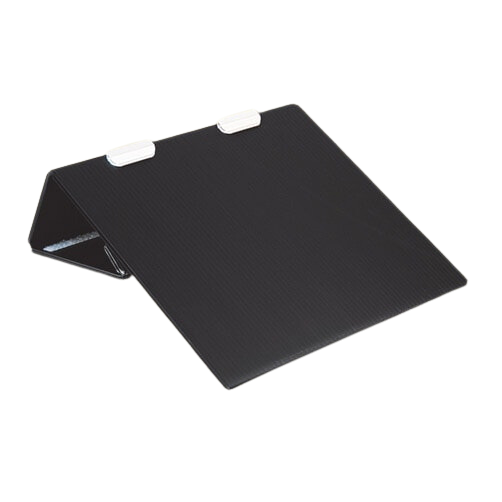
Tools such as slant boards help promote proper wrist positioning, shoulder stability, and visual alignment—simple adjustments that can significantly improve writing efficiency and endurance across grade levels.
The Role of Paper, Line Awareness, and Visual Support
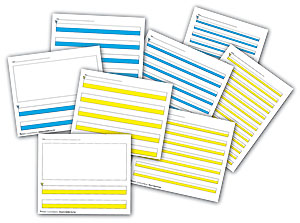
Not all handwriting challenges stem from letter formation. Many students struggle with spacing, line adherence, and visual organization. Highlighted and raised-line paper provides tactile and visual boundaries that support students who need additional feedback to organize written work. These supports are especially effective for students with visual-motor integration challenges or reduced proprioceptive awareness.
Using the right paper is not an accommodation shortcut—it’s a strategic instructional choice that helps students internalize spatial concepts over time.
Grips, Tools, and Functional Carryover

Pencil grips continue to be an essential part of handwriting instruction when used intentionally. Pencil grips support functional grasp patterns, reduce fatigue, and encourage more efficient finger movement. The key is pairing grips with instruction and practice—not relying on them as a standalone solution.
When handwriting tools are integrated into daily classroom tasks, students are more likely to generalize skills beyond therapy sessions.
When Instruction and Accommodation Work Together
Effective handwriting instruction strategies balance remediation and accommodation. Some students need direct instruction to improve legibility, while others benefit from ongoing supports that allow them to access written tasks successfully. Recognizing this distinction helps IEP teams make informed decisions that prioritize participation and independence.
For additional guidance and evidence-based resources, explore the Therapro Blog, where therapists and educators can find practical strategies aligned with real-world classroom demands.
Supporting Handwriting Across the Team
Handwriting success improves when therapists, teachers, and families work together using shared strategies and tools. National Handwriting Day is a reminder that thoughtful, functional instruction—supported by the right materials—continues to play a meaningful role in student success.