
The inaugural School-Based Practitioners Summit took place on August 6th and 7th in Columbus Ohio. It attracted almost 600 invigorated attendees and 20 exhibitors, including Therapro. Refreshed from a summer hiatus, therapists and educators launched head first into a diverse selection of workshops presented by a distinguished group of presenters.
Workshops featured vital topics including: sensory regulation, team collaboration, the impact of visual skills on learning, integrating primitive reflexes to improve school function, handwriting success, survival guide for the school therapist, and much, much more!
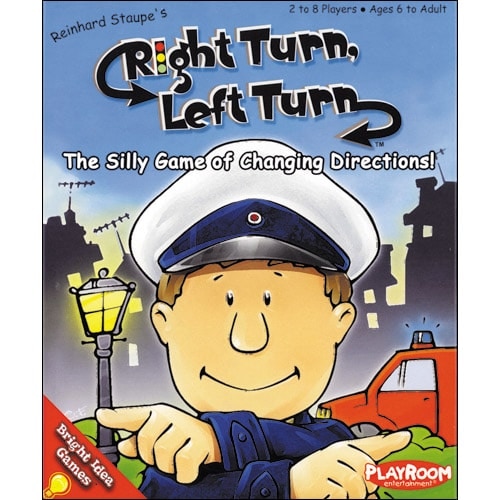 The Therapro exhibit was constantly buzzing with attendees searching for the best tools for their school-based practice. Ginger MacDonald, OTR/L, co-author of Self Care with Flair, and I enjoyed greeting the therapists and educators who stopped by to grab a new catalog, discuss products, and say “hello.” It was fun to introduce attendees to games like Letter Treasure Hunt, Novenops, and Right Turn Left Turn. They loved trying out our fidgets including Loopeez, Wristful Fidget, Stretchy String, Tangles and What’Zit Animals. Active movement products like Zoom Ball, Peanut Ball, and Thumballs attracted visitors to “try it” and have fun. We couldn’t keep fine motor materials including Self Opening Scissors, Wacky Web, Twist N Write, Progressive Grip Kit, Butter Grip, and Handi-Writer on the shelves. Books that flew off the shelves included: Answers to Questions Teachers Ask about Sensory Integration, Sentence Tracking, and Symbol/Letter Tracking. Attendees provided great feedback on Therapro products they had used and loved. There was something for everyone!
Yoga products were wildly popular. Yoga Bingo and Relaxation Station Photo Booklet were two new products that drew attention because of the beautiful photographs of elementary age students. Yoga & Me Come Be a Tree, by Therapro author Tere Bowen-Irish, OTR/L was a favorite because it depicts yoga poses by an able bodied child and one in a wheelchair, side-by-side.
The SBP Summit was a successful endeavor, chaired by Mike Collins, Executive Director of OSHS (Ohio School Health Services Association), and executed by his enthusiastic, dedicated team! They presented new and seasoned school-based practitioners with a 2-day conference that offered a well-planned selection of intensive sessions. As an exhibitor, our goal was to offer an array of materials for attendees to examine and try out that will help therapists and teachers meet the goals they set for their students for the coming school year.
We enjoyed our fast-paced two days in Columbus. We hope to see you next year!
Filomena Connor, MS, OTR/L
August 14, 2018
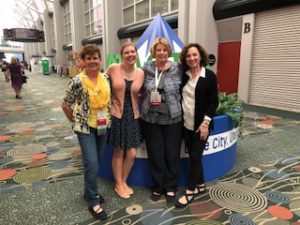 We were one of over 375 exhibitors! The Therapro crew we brought included Karen, Linda, Allyson, and me. We enjoyed meeting all the therapists, educators, students, and parents who found our exhibit at Booth1500 in the Expo Hall. It was great to hear shouts from those who strolled by with remarks like “We love Therapro! Thanks for being here!” We were delighted that so many of our friends and colleagues stopped by to visit, including Jan Hollenbeck, Emily Zeman, Diana Henry, Melanie Potock, Jenny Clark, Tee Stock, and many more. This year we shared our booth with authors, Carolyn Murray-Slutsky, MS, OTR, C/NDT and Betty A. Paris, PT, MEd, C/NDT, along with Carolyn’s husband, Herman. Their publications:
 Cathy Collyer, OTR, LMT has treated children with neurological, orthopedic and sensory processing disorders for over 20 years. She is the author of The Practical Guide To Toilet Training Your Child With Low Muscle Tone. Learn more about her work at tranquilbabies.com.