Tag Archives: sensory strategies

Sensory strategies are techniques used to help children manage responses to sensory input, such as sounds, textures, or movement. These strategies support self-regulation, attention, and participation in learning environments. They are essential for helping children stay calm, focused, and engaged throughout the day.

Sensational Fun

Sensory Diet Activities with Sensational Fun Card Deck

Occupational therapists continuously seek structured yet flexible tools to support individualized sensory interventions that can be embedded into sensory diets across home, school, and clinical environments. The Sensational Fun Card Deck from Therapro offers a practical, ready-to-use system designed to simplify sensory planning while promoting engagement, regulation, and functional participation.

This resource is especially valuable when developing or refining sensory diets for students who benefit from movement, proprioceptive input, and structured sensory breaks. Each card provides clear, actionable activity ideas that can be easily implemented, making them ideal for classroom transitions, therapy sessions, or home carryover programs.


Why Occupational Therapists Use the Sensational Fun Card Deck

The Sensational Fun Card Deck supports clinical reasoning by offering a structured way to incorporate sensory input into daily routines. Rather than reinventing activities, therapists can quickly select targeted interventions aligned with sensory needs, such as:

  • Proprioceptive input for regulation
  • Vestibular activities for alertness and focus
  • Tactile exploration for sensory modulation
  • Heavy work strategies for sustained attention

Its versatility makes it especially useful for therapists managing large caseloads or supporting educators with limited time for preparation.


Free Sample Activities: Clinical Application in Action

To support implementation, Therapro provides free sample activities that demonstrate how the Sensational Fun Card Deck can be used immediately in therapy and classroom settings.

Fancy Banquet

Download sample:
Fancy Banquet Sample

The Fancy Banquet activity is particularly effective for occupational therapists addressing feeding challenges, including profiles consistent with Avoidant/Restrictive Food Intake Disorder (ARFID) or significant food selectivity driven by sensory processing differences.

The structured “special meal” format creates a predictable, socially supported environment that reduces pressure while encouraging graded exposure to unfamiliar foods. This aligns with sensory-based feeding intervention approaches that prioritize emotional safety, predictability, and repeated non-threatening exposure.

Rather than focusing on immediate intake, the activity supports foundational feeding goals such as comfort, curiosity, and tolerance of novelty. Children who demonstrate resistance to mixed textures, visual complexity, or unfamiliar food smells often benefit from this kind of structured, low-demand exposure.

Therapists may observe increased engagement when the experience is framed as a social or celebratory event rather than a direct feeding task. This shift in context can significantly reduce anxiety associated with mealtime expectations.

Clinical benefits include:

  • Low-pressure exposure to new or non-preferred foods
  • Gradual sensory exploration (visual, olfactory, tactile)
  • Increased tolerance for food-related novelty
  • Opportunity for social modeling during shared meals

When paired with visual supports, sensory regulation strategies, and choice-based participation, Fancy Banquet can serve as a meaningful bridge toward improved feeding flexibility over time.

Knock First

Download sample:
Knock First Sample

Knock First is a highly functional sensory-based activity that supports tactile processing, body awareness, and motor planning while strengthening core executive functioning skills such as impulse control, initiation, and social awareness. It provides a structured opportunity for children to practice respecting personal space, understanding boundaries, and regulating their own entry into shared environments.

Children often benefit from clear, consistent frameworks for understanding “when and how” to interact with others. Knock First builds this foundation by pairing a predictable routine with meaningful sensory-motor engagement. The repeated action of approaching, pausing, knocking, and waiting reinforces sequencing, timing, and self-regulation.

From a sensory integration perspective, the activity naturally incorporates tactile feedback, proprioceptive input, and motor planning demands, making it especially effective for children who benefit from structured movement with a clear purpose. The physical act of knocking, waiting, and receiving a response supports graded control of force, rhythm, and timing.

Children also benefit from opportunities to define and understand personal and shared space. Much like creating a visual or physical representation of one’s own body in space, Knock First helps children internalize the idea that their body occupies space and that others do as well. This awareness is foundational for safe and successful participation in school, home, and community environments.

Key clinical benefits include:

  • Strengthening tactile awareness through door/contact interaction
  • Supporting body awareness and spatial understanding
  • Enhancing motor planning and sequencing (approach → pause → knock → wait)
  • Improving impulse control and social timing
  • Reinforcing respect for personal boundaries and shared spaces

For children who struggle with impulsivity or difficulty recognizing social boundaries, repeated practice within a structured routine helps translate abstract social rules into embodied, functional experience.

When embedded into daily routines, Knock First becomes more than a behavioral cue—it becomes a consistent motor-sensory strategy for building self-regulation and environmental awareness across settings.

Looking for more free samples? Check out the Goop and Trail Mix Sample. These multisensory activities combine tactile exploration with sequencing and choice-making. They are highly effective for children who require graded tactile input to increase tolerance and engagement in messy play tasks.

Download sample:
Goop and Trail Mix Sample


Clinical Benefits in Sensory Diet Planning

When integrated into sensory diet programming, the Sensational Fun Card Deck enhances consistency across environments. Therapists can use it to:

  • Standardize sensory break routines across teams
  • Support IEP goal alignment related to regulation and attention
  • Provide caregivers with accessible home programming
  • Reduce planning time while maintaining therapeutic intent

How to Use a Fidget Kit Anywhere

Support focus, reduce stress, and build fine motor skills anywhere with the Therapro Fidget Kit

Therapro's Fidget Kit

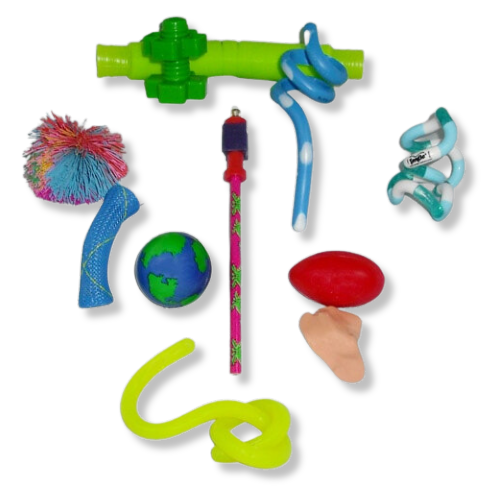
Fidget tools have become a must-have for therapists, educators, and parents working to support children’s focus, self-regulation, and sensory needs. Therapro’s Fidget Kit offers an assortment of engaging, therapist-approved fidgets—each selected to provide unique tactile input and promote fine motor development.

Whether you’re working with a student in the classroom or helping your child self-regulate at home, here are five practical and effective ways to use this fidget kit in different environments.


🏠 At Home: Make Fidgets Part of the Routine

Create a “fidget zone” near your child’s homework area or bedroom.
Use Ideas:

  • Let children choose one or two fidgets to use while reading or completing homework to boost focus.
  • Include fidgets in morning and bedtime routines to help manage transitions.
  • Use squeezable items like the Squeezie Ball or Silly Putty for calming during overstimulating moments.

💡 Tip: Rotate fidgets weekly to keep novelty high and support continued engagement.


🚗 On the Go: Fidgets for Travel and Outings

Fidgets are the perfect quiet companion for car rides, doctor visits, and waiting rooms.
Use Ideas:

  • Keep compact fidgets like the Tangle Jr. or Fidget Pencil in the car or backpack.
  • Offer a fidget during long rides to reduce restlessness and improve sensory regulation.
  • Use the Boink or Bendeez as a calming tool during overstimulating outings.

💡 Pro Tip: Pack a mini sensory travel kit with 2–3 fidgets in a zip pouch.


🧠 In Therapy Sessions: Enhance Fine Motor & Sensory Goals

The kit offers tools that align with OT goals for hand strength, bilateral coordination, and sensory modulation.
Use Ideas:

  • Use the Giant Nuts & Bolts to target fine motor precision and grip strength.
  • Incorporate the Rapper Snapper in activities that promote bilateral hand use.
  • Create a “choose your fidget” station at the start of sessions to increase autonomy and regulation.

💡 Tip: Use fidgets as part of a sensory warm-up or cool-down during therapy.


🧘 In Calming Corners: Promote Self-Regulation and Emotional Control

Every classroom or home benefits from a designated calm-down space.
Use Ideas:

  • Set up a calming corner with a few of the softer, quieter fidgets (Koosh Ball or Squeezie Earth).
  • Create visuals to help students select the fidget that best matches their sensory needs.
  • Allow students to access the kit proactively when they feel overwhelmed.

💡 Suggestion: Pair fidget use with deep breathing visuals or timers for structured breaks.


🎒 In the Classroom: Support Attention and Reduce Disruption

Fidgets can quietly increase student engagement and help meet sensory needs without distracting others.
Use Ideas:

  • Offer silent fidgets like the Fidget Pencil or Tangle Jr. during circle time or independent work.
  • Use a “fidget pass” system so students can access the kit as needed.
  • Incorporate fidget use into small group or station activities to enhance participation.

💡 Teacher Tip: Teach fidget rules early (quiet hands, eyes on task) to support responsible use.


Why the Therapro Fidget Kit Works

This all-in-one fidget set is more than just a box of toys—it’s a toolkit for supporting development, engagement, and emotional wellness. With varied textures, actions, and sizes, the Therapro Fidget Kit can meet a wide range of needs in children and young adults.

Supports fine motor development
✅ Promotes calm and focus
✅ Portable and versatile for use across settings


🔗 Shop the Therapro Fidget Kit Now »

Whether you’re an occupational therapist building a treatment plan, a teacher creating a sensory-friendly classroom, or a parent supporting self-regulation at home, the Therapro Fidget Kit is a versatile tool you can count on.

Summer Sensory Activities Using Therapro Tools

Why Summer Sensory Play Matters

Summer is a great time for play, but for children with developmental, sensory, or motor challenges, it can also present a risk of skill regression or sensory dysregulation due to changes in routine. This guide provides parents, caregivers, and professionals with easy-to-implement summer sensory activities using Therapro’s therapeutic tools—perfect for home use.


1. Bubbles: Oral Motor Play for Regulation and Focus

Featured Products:

Why It Works: Blowing bubbles provides controlled oral motor input, which supports breath control, self-regulation, and speech development. According to Williams & Shellenberger (1996), oral motor activities help modulate arousal levels and improve focus.

Activity Idea: Create a “Bubble Pathway” where children walk a zigzag or hopscotch path while blowing bubbles. Add simple motor tasks to combine movement with breathwork.


2. Movement & Coordination: Full-Body Sensory Input

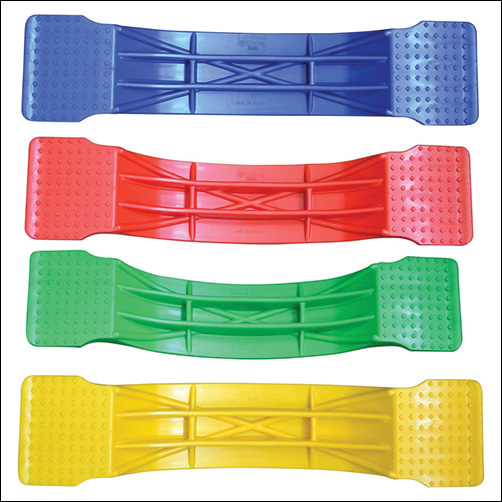
Recommended Products: Seesaw Sensory Integration Balance Board by Bouncyband®
Explore the full selection at Therapro’s Movement Tools

Why It Works: Balance boards, scooter boards, and wobble cushions provide vestibular and proprioceptive input. These are essential for organizing the nervous system and supporting sustained attention.

Activity Idea: Design a simple obstacle course with a balance board, bean bags, and a scooter board. Use it for morning movement breaks or pre-dinner wind-down time.


3. Sensory Fun & Games: Calm, Focused Engagement

Top Picks: Happy Senso Sensory Gel
See the full category: Sensory Fun & Games

Why It Works: Tactile games and sensory bins offer soothing sensory input and promote calm alertness. Use them during transitions or when screen time ends to re-engage your child.

Activity Idea: Fill a bin with textured items and add task cards or sorting games. Try playing a matching game with tactile elements to enhance fine motor skills.


Make Summer Count
Therapro’s at-home therapy tools are designed to be easy, effective, and fun. With consistent use, these summer sensory activities can help prevent skill loss, improve sensory regulation, and support ongoing development through the summer months.


Explore More:
Visit Therapro.com for more summer sensory tools, games, and resources.