Tag Archives: physical therapy (PT)

Discover evidence-based physical therapy resources,  equipment, tools, strategies, and professional insights to support physical therapists in enhancing mobility, strength, coordination, and overall functional outcomes across the lifespan and in diverse settings.

Celebrating Pediatric Physical Therapists

October is National Physical Therapy Month, a time to spotlight the incredible benefits of physical therapy (PT) across all ages. This month, we want to focus on and celebrate pediatric physical therapists, their invaluable work, and the impact they have on the lives of children. With over 4,000 pediatric PT practitioners in the U.S., their expertise, commitment, and compassion shine brightly in the healthcare landscape.

Understanding Pediatric Physical Therapy

Pediatric physical therapy is a specialized practice dedicated to addressing movement disorders, developmental delays, sports injuries, and orthopedic conditions in children. Utilizing evidence-based practices, pediatric PTs focus on:

  • Posture and movement analysis
  • Functional mobility training
  • Balance training
  • Dynamic bracing
  • Electrical stimulation
  • Parent training

Pediatric PTs work in various settings, including neonatology, early intervention, schools, and both inpatient and outpatient facilities. Their primary goal is to enhance a child’s physical function, address impairments, and help them reach their fullest potential at home, in school, and within their communities. Through PT, children gain increased strength, flexibility, and independence while preventing the progression of movement issues.

Importance of Early Intervention

Monitoring a child’s physical development and the value of early intervention cannot be overstated. Early detection and treatment can prevent more serious issues down the line, leading to benefits such as improved mobility, enhanced motor skills, and better overall health.

Role of Family and Caregivers

Family members and caregivers, including educators, play a critical role in a child’s therapeutic journey. By collaborating with pediatric PTs, they can help integrate therapy gains into everyday activities. For instance, a therapist may recommend that a child practice moving from sitting to standing through an activity like picking up toys from the floor while squatting, then standing to place them in a toybox, promoting both skill development and play.

Passion of Pediatric Physical Therapists

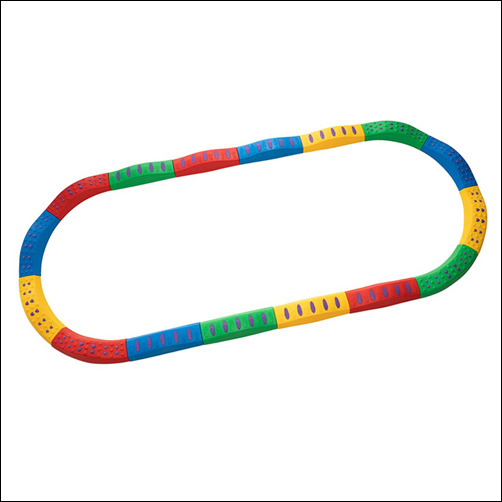
Pediatric PTs are uniquely trained to engage with children through play-based and enjoyable activities. Resources like pediatricapta.org offer insight into the specialized training and techniques employed by these professionals. They incorporate age-appropriate and motivating activities—think balance pods, obstacle courses, yoga, and more—to ensure therapy is both effective and fun.

Transformative Success Stories

The impact of pediatric physical therapy is profound. Take, for example, a 3-year-old referred for PT due to postural instability and low muscle tone. After six months of focused therapy on core stability and strength, the child demonstrated remarkable progress, experiencing less fatigue in the classroom and successfully participating in an obstacle course with peers. Such transformations illustrate the power of dedicated PT intervention.

Final Thoughts

National Physical Therapy Month provides a fantastic opportunity to recognize the essential contributions of pediatric physical therapists to children’s growth and development. By sharing knowledge, resources, and inspiring success stories, we can encourage parents and caregivers to advocate for their children’s health.

At Therapro, we proudly honor the dedicated professionals in pediatric physical therapy who work tirelessly to help children develop the mobility skills they need to reach their full potential. Let’s celebrate their hard work and the positive changes they bring to countless lives!

Guest Blogger: Filomena Connor, MSOT Retired

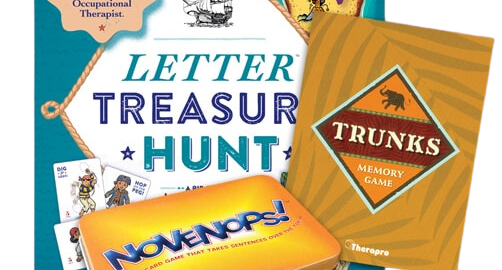
Therapro Games Bundle: Letter Treasure Hunt, Novenops, and Trunks

Boosting Skills with Games!

In the world of education and therapy, finding engaging and effective tools to boost skills can be a game-changer. Fortunately, Therapro has developed a trio of unique games designed to not only boost skills but to also make learning an exciting adventure. In this blog we are exploring how the games Trunks, Letter Treasure Hunt, and Novenops are helpful tools for boosting skill development.

Trunks: The Game of Motor Memory

“Remember, perform, and succeed!”

	
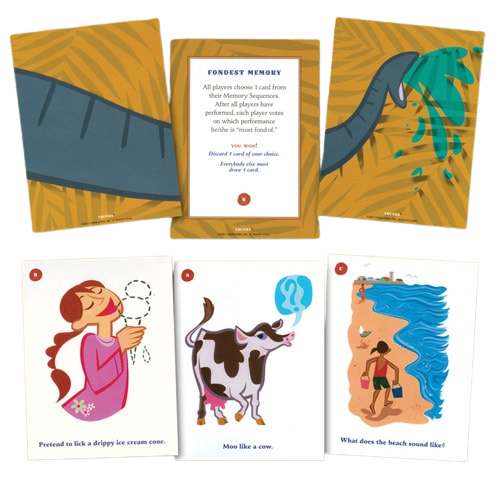
Trunks®: A Game: boosting Motor-Memory skills

Trunks is the brainchild of an occupational therapist, carefully crafted to promote memory, motor sequencing, and cognitive skills. The concept is simple yet brilliant: players draw a card, study the given action, and then perform it from memory. But here’s the twist – on their next turn, they draw an additional card and must execute both actions in the correct order without peeking.

The real magic lies in the creation of a “trunk,” a series of four cards that, when combined, forms an elephant’s trunk. Through this engaging game, players not only sharpen their memory and sequencing abilities but also enhance their attention to detail and focus. Trunks is an excellent therapeutic tool for those seeking to strengthen cognitive and motor skills in a fun and interactive way.

Watch the short video below for a review of Trunks by physical therapist, Laurie Gombash!

Letter Treasure Hunt: A Multisensory Learning Adventure

“Learning to write, one treasure at a time.”

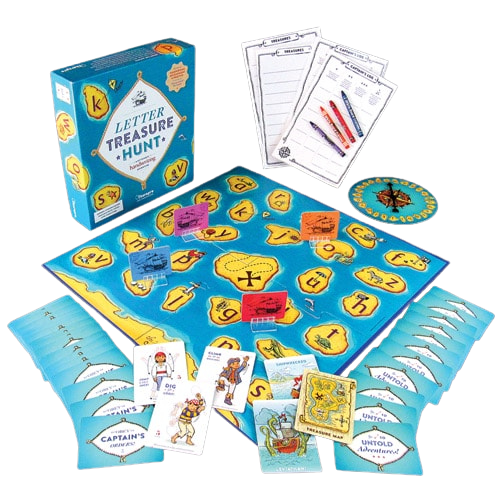
Letter Treasure Hunt game: boosting handwriting skills

Letter Treasure Hunt is a game that seamlessly blends handwriting skills, gross motor challenges, and language development. It’s an exciting adventure where children explore the world of letters while engaging in activities that improve their handwriting and motor coordination.

In this game, kids embark on a quest to discover hidden treasures, all while completing ‘captain’s orders’, fun gross motor tasks that challenge balance, coordination and strength. This dynamic blend of gross motor challenges not only keeps children active but also enhances their physical development. Moreover, the game fosters language skills by encouraging communication among players.

Letter Treasure Hunt is the perfect example of how education can be both fun and effective, making it an excellent choice for parents, teachers, and therapists looking to boost various skills in an engaging manner.

Watch the short video below for a review of Letter Treasure Hunt by physical therapist, Laurie Gombash!

Novenops: Mastering Grammar through Play

“Grammar made fun, one card at a time.”

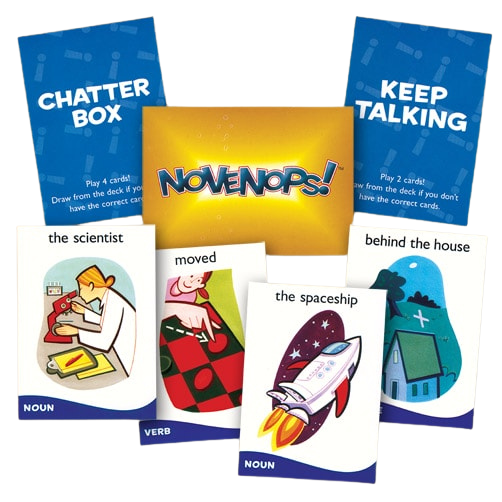
NOVENOP is an acronym created from the words NOun, VErb, NOun, and Phrase and is a board game for children of ages 6 and up

Novenops is a game that focuses on enhancing the player’s understanding of the basic elements of grammar. With 60 carefully designed cards, this game creates a captivating learning experience that continuously reinforces sentence structure concepts. As players progress, their word familiarity improves, subsequently boosting their reading and writing skills.

The beauty of Novenops lies in its ability to turn grammar lessons into an enjoyable activity. By gamifying language learning, it removes the traditional barriers associated with grammar education and replaces them with excitement and engagement. It’s an ideal tool for educators and parents who want to transform grammar from a chore into a rewarding adventure.

Watch the short video below for a review of Novenops by physical therapist, Laurie Gombash!

Therapro’s games— Trunks, Letter Treasure Hunt, and Novenops —are shining examples of how education and therapy can be both effective and enjoyable. These games are not only designed to boost skills but also make the learning process a memorable and fun experience. Whether you’re a therapist, educator, or parent, consider incorporating these games into your toolkit to unlock the full potential of skill development. With Therapro, learning is an adventure waiting to be discovered!

RAPPER SNAPPERS AKA POP TUBES in purple, red, green, and blue

Therapy Activities On A Budget: Rapper Snappers

Rapper Snappers are a multi functional therapy tool perfect for creating fun, budget friendly therapy activities! In this post, Physical Therapist and creator of The ABCs of Movement, Laurie Gombash, PT, M.Ed, shared five different ways to use Rapper Snappers (also known as Pop Tubes) as a therapeutic tool.  Be sure to check out her video below!

Demonstration of rapper snapper activity:  pulling a pink rapper snapper open

Arm Strengthening

Place hands on either end of the Rapper Snapper and pull! Work with the arms overhead to target shoulder strength or work with arms away from the body to target core strength. Target different muscles of the upper body  by pulling in different directions. Try holding the rapper snapper in one hand, at hip level, and using the other hand to pull up and across the body. Alternatively, hold the rapper snapper at shoulder level and uses the other hand to pull down and across the body.

Pro Tip, using the fingers to scrunch the Rapper Snapper back to size is great for finger strengthening!

Self Regulation

Rapper Snappers are a fun way to learn about self regulation.  Help kids visualize concepts like fast breathing or rapid heart beat by opening and closing the Rapper Snapper rapidly. Alternatively, demonstrate slow or rhythmic breathing by slowly pulling apart  or closing the rapper snapper.

Pro Tip, the sound made by the Rapper Snappers as it is opening and closing provides great auditory feedback!

Demonstration of rapper snapper activity:  squeezing a pink rapper snapper closed

Fine Motor & Motor Planning 

Looking for a fun and engaging activity? Use Rapper Snappers to make a marble run!  Bend and twist the Rapper Snapper to make a maze, drop the marble in, and let it run through.  Using two or three fingers to grasp the marble and inserting it into the Rapper Snapper’s narrow opening is a great way to get the small muscles in the hand working.  Planning a successful maze for the marble to run through takes planning abilities!

Pro Tip: This activity can be done holding the Rapper Snapper and moving the marble through or you can use Velcro or other adhesives to adhere Rapper Snappers to a wall or other vertical surface. 

Demonstration of rapper snapper activity:  blowing into a pink rapper snapper

Oral Motor

Shape the Rapper Snapper like a smile and try to imitate it with your lips, now flip it upside down to make a frown!  Purse your lips, give a big blow, stick out your tongue!  There are so many ways to use a Rapper Snapper to help build and strengthen oral musculature! 

Academic Skills

Use the Rapper Snappers to build shapes, letters, and numbers. Connect multiple Rapper Snappers for bigger numbers or shapes. Work as a team to build a giant letter on the floor!  

Rapper Snappers are a small, easy to transport, budget friendly tool that can be used across multiple settings and to target a variety of treatment goals making them the perfect tool when creating therapy activities on a budget!

Watch the Video!