
Tag Archives: saturday seminar recaps

Saturday Seminar Recaps provide concise summaries and key insights from Therapro’s Saturday Sreminar professional development sessions designed for therapists, educators, and caregivers at Therapro’s headquarters in Framingham, MA. This tag offers practical takeaways and resources from each seminar to support ongoing learning.

Life Skills Program for Deaf Students with Complex Support Needs

Therapro hosted its very first international speaker for the Saturday Seminar Series on February 15. A post professional master’s student at Tufts, occupational therapist Jill Massey, from the United Kingdom, presented her talk entitled: A Life Skills Program for Students, 10-19 years of Age, Who Are Deaf and Low Functioning. On a day that threatened a snowstorm, a brave and focused group of attendees learned how this therapist went about developing a program in a facility that had never had an occupational therapist on its staff and learned of her vision for a life skills approach to the Deaf, low functioning students at her school.

Jill’s seminar provided a brief overview of OT practice in the UK within community based pediatrics. She also discussed understanding and awareness of issues for children/young adults who are Deaf and introduced a Life Skills Program for this population. Jill clarified the difference in the use of the two terms “deaf” and “Deaf” when discussing Deaf culture. The quote she documented from the UN Convention on Rights of Persons with Disabilities says: “Persons with disabilities shall be entitled, on an equal basis with others, to recognition and support of their specific and linguistic identity, including sign language and Deaf culture.”

Jill’s position at Oak Lodge School was a brand new service to the students, with no budget. She had her work cut out for her and has worked tirelessly in conjunction with the school speech and language therapist to educate staff as well as provide evaluation and class-based intervention for the students Her work became focused on real world integration of the students and empowering parents to work with their children to promote independence. Evidenced based studies were shared that indicate that context-based exposure in building life skills is key to success. Her goal is to do international research in this area of practice to demonstrate the efficacy of a program that is directed to student independence in life skills at home and in the community.

Jill taught us Deaf etiquette through a true-false quiz, gave us tips for providing optimal environmental adaptations with Deaf students, and offered practical suggestions on how to communicate effectively with a Deaf person. It was quite an interesting seminar!

Here are a few of the comments received from attendees:

“Presenter is an advocate, trailblazer, and passionate about her work. She is dedicated to research.”

“Even though I don’t work with a lot of deaf students, all the info could be applied to other school life skills.”

“Very informative. I learned a lot, especially about Deaf awareness/culture.”

Thank you, Jill!

Filomena Connor, MS, OTR/L

February 15, 2014
Brain Gym®: Movement-Based Learning Readiness

This past Saturday, Therapro was thrilled to host a dynamic and highly attended professional development seminar at our headquarters, with over 80 enthusiastic participants in attendance.

Pamela Formosa, MA, OTR/L, delivered an engaging and insightful presentation exploring the benefits of Brain Gym®, a movement-based learning readiness program that supports children with a variety of challenges including sensory integration difficulties, attention issues, emotional regulation concerns, and learning differences. Her session focused on how Brain Gym can empower students to “solve their own puzzles” by using movement as a tool for self-regulation and improved focus.

Brain Gym® is an internationally recognized program that uses intentional movement to enhance brain function and prepare the body and mind for learning. Rooted in neuroscience and developmental movement, this approach integrates physical activity with goal setting and self-awareness to create a holistic framework for academic and personal success.

Formosa guided attendees through a range of Brain Gym activities that are designed to activate both hemispheres of the brain, improve body coordination, and promote cognitive development. These exercises can be seamlessly incorporated into classrooms, therapy sessions, or home routines to support readiness for learning and overall engagement.

Why Movement Matters in Learning

Movement is a critical component of brain development, particularly in early childhood and for individuals with diverse learning needs. Programs like Brain Gym® help children access the neurological pathways required for attention, memory, and emotional regulation. When incorporated regularly, these movement-based learning readiness programs can make a meaningful difference in a child’s ability to process information and thrive in educational environments.

Check out this short clip from the workshop to see Brain Gym in action:

Explore More Movement-Based Resources

If you’re seeking more engaging and effective ways to support students’ sensory, motor, and cognitive development, be sure to explore Therapro’s Move to Learn collection. These resources offer therapists, educators, and parents a wide array of movement-based tools designed to enhance readiness for learning, support attention, and promote physical engagement in a fun and accessible way.

From balance and coordination tools to activities that target executive functioning and sensory regulation, our Move to Learn products align well with the principles of Brain Gym and other movement-based learning readiness programs.

Barbara Smith Presents on Sensory Activities at Saturday Seminar

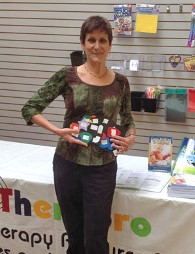
Barbara Smith at TheraproOn a snowy Saturday morning, January 24, 2014, a dedicated group of therapists, educators, and child specialists gathered at Therapro to attend a seminar by Barbara Smith, MS, OTR/L. Despite challenging weather conditions, attendees were eager to gain insights from Barbara Smith’s extensive experience in occupational therapy.​

Barbara Smith, known for her innovative approaches in occupational therapy, presented on the topic of early intervention and its critical role in preparing children for school. Drawing from her 30 years of experience across various settings—including early intervention programs, public schools, and day habilitation centers—she emphasized the importance of sensory integration and movement in developing hand skills.

During the seminar, Barbara discussed practical strategies for incorporating movement into therapy sessions to enhance fine motor skills. She highlighted techniques such as using weighted materials to improve body awareness and employing vertical surfaces to promote fine motor development. These methods, she explained, can be particularly effective for children with sensory processing disorders.

Attendees also learned about Barbara’s publications, including “The Recycling Occupational Therapist” and “From Rattles to Writing: A Parent’s Guide to Hand Skills.” These resources offer valuable guidance for therapists and parents alike in supporting children’s developmental needs.

The seminar concluded with a Q&A session, allowing participants to delve deeper into specific challenges they face in their practice. Barbara’s expertise and practical advice left attendees equipped with new tools and perspectives to enhance their therapeutic approaches.

Visit Barbara’s blog, The Recycling Occupational Therapist, to learn more about “Innovative Interventions to Treat Children on the Autism Spectrum.”