Tag Archives: sensory strategies

Sensory strategies are techniques used to help children manage responses to sensory input, such as sounds, textures, or movement. These strategies support self-regulation, attention, and participation in learning environments. They are essential for helping children stay calm, focused, and engaged throughout the day.

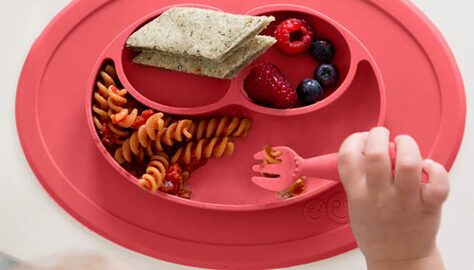
ezpz Mini Feeding Set

Facilitation of Feeding Skill Development

Feeding specialists must select appropriate tools when facilitating feeding skill development. There are a myriad of materials available that make it challenging for therapists to select the tools that match the needs of their pediatric clients. Therapro is always in quest of useful, practical, and therapeutic oral-motor and feeding tools that will promote feeding skill development. Innovative designs are widely available to therapists and families for utensils, cups, and oral tools that are designed to help advance oral development and feeding skills. We’ve reviewed extensively what is available to therapists and families, and are able to offer these new items from ezpz with our stamp of approval. All materials used are safe and a breeze to clean.
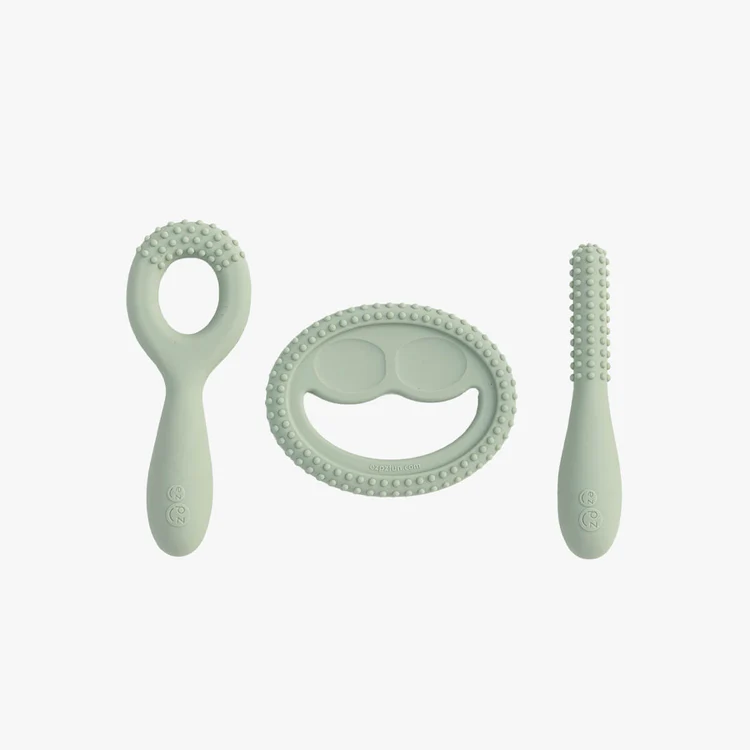
ezpz Oral Development Tools used for Facilitating early Feeding Skill Development

Oral Development: Oral Development Tools are designed to provide oral sensorimotor input for babies and youngsters who are beginning to explore their mouths. The 3 tools (loop, smile, and stick) are easy to grasp and provide smooth and textured surfaces. They can be used without food to explore oral movement for pre-speech activities, provide oral sensation, and can also be dipped in liquids and graded food textures to facilitate oral motor skills of the lips, tongue, jaw, and cheeks. The Oral Development Tools are a great tool for facilitating early feeding skill development.
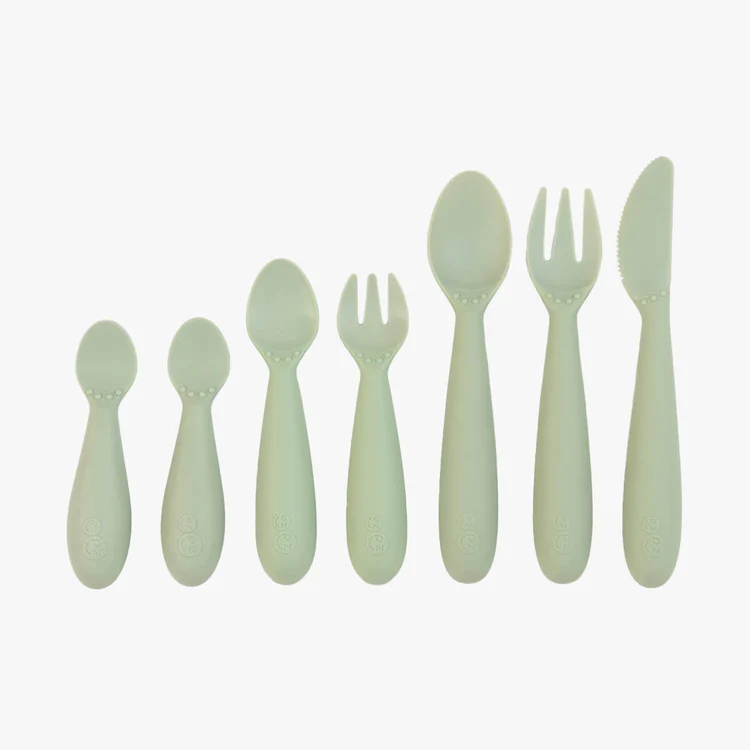
The ezpz Developmental Utensil Set

Utensils: The Developmental Utensil Set consists of utensils for infants age 4 months+ called Tiny Spoons; Mini Utensils (fork and spoon) for infants age 12 months; and Happy Utensils (fork, spoon, and knife) for children 2 years+. The entire set consists of 7 utensils that can be used as the child’s feeding skills develop.  The Happy Utensils are available as a separate set that encourages safe and successful self-feeding. These utensils are a great tool for facilitating the development of scooping, piercing, spreading, and cutting needed for successful self-feeding.
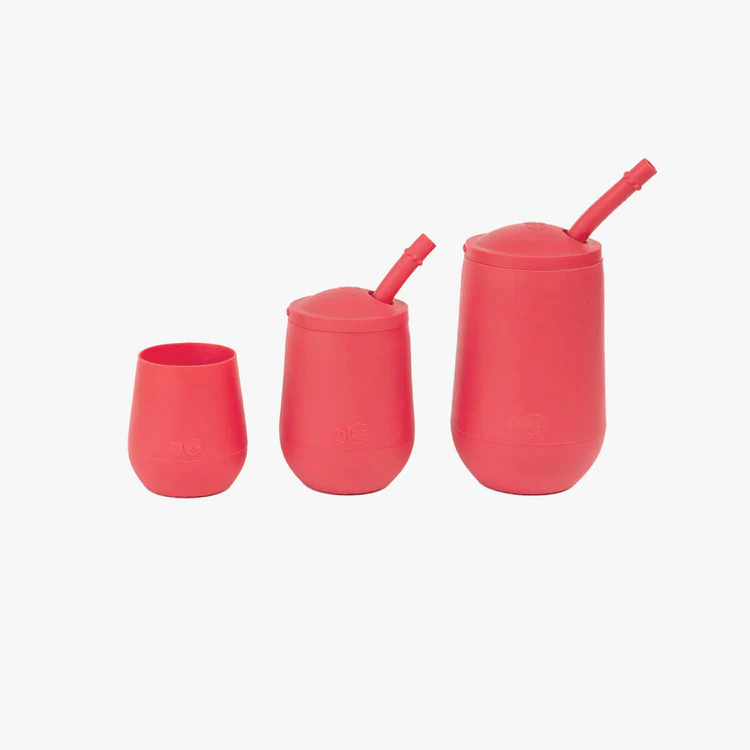
Developmental Cup Set

Cups: The Developmental Cup Set is a developmental training system for teaching cup and straw drinking skills. It introduces open cup drinking for infants 4 months+ using a Tiny Cup (2 oz). The Mini Cup and Straw Training System is the next level with a 4 oz cup, screw on lid and flexible, durable straw for infants 9 months+. For the older toddler (2 years+), the Happy Cup and Straw System consists of an 8 oz cup with screw on lid and flexible, durable straw. The system promotes oral skills including lip closure, lip rounding, tongue cupping and elevation. All 3 of the cups are available individually as well as in the set.

These ezpz tools are a great resource for facilitating feeding skill development. You will be able to examine and try out these new products and many more when you visit Therapro’s exhibit at the ASHA Conference in Boston on November 16-18. We’ll see you then!

Guest Blogger: Filomena Connor, MSOTR, Retired
Bean Bag Chair

Enhancing Sensory Experiences in the Home Daycare Setting

Porch, the home services platform, reached out to Therapro for help with their latest article, Safeguarding Your Home Daycare: What Experts Have to Say. The question posed to the Therapro team was: How can home daycare providers utilize therapeutic and educational resources to enhance sensory experiences and cognitive development for children in their care? Therapro’s team of experts had a lot to say on this topic! Read our latest post to see what Therapro shared and be sure to check out the full article for additional information!

Home daycare providers can greatly enhance sensory experiences and cognitive development for children in their care by incorporating therapeutic and educational resources from Therapro, among others. In this post we are covering several strategies and Therapro resources that can be used to enhance these experiences.

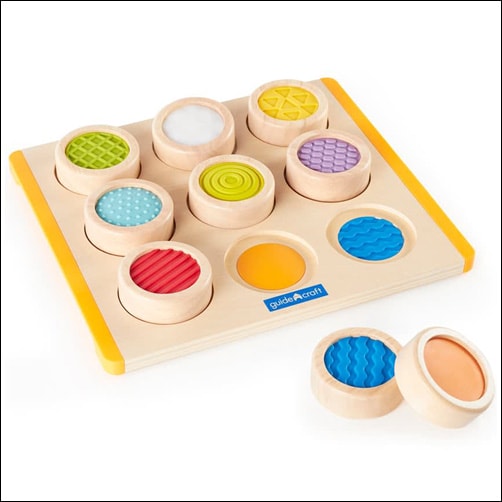
Tactile Search & Match a tool used to enhance sensory experiences

Sensory-Focused Environments: Creating sensory-focused environments within your home
daycare is a great, all-around way, to enhance sensory experiences. This can be accomplished simply by utilizing sensory tools, like fidget toys, or sensory integration equipment like therapy balls. These resources can stimulate children’s tactile, proprioceptive, and vestibular senses, promoting sensory exploration and integration.

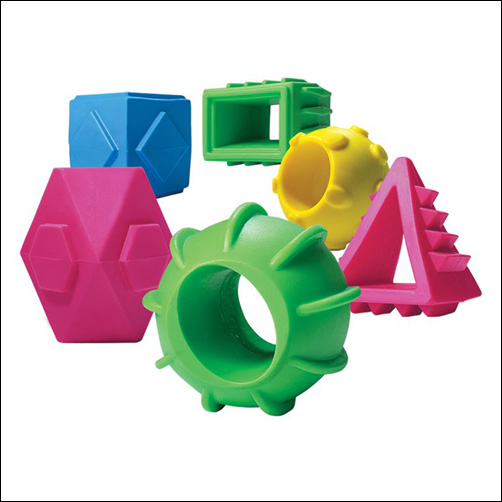
Create And Play Sensory Beads (6 Pack); a set of 6 beads with various textures to enhance sensory experiences

Sensory Bins: Therapro offers various sensory bin materials, like mini animals or sensory beads. These bins can be customized to match educational themes and provide opportunities for tactile exploration, improving fine motor skills and cognitive development.

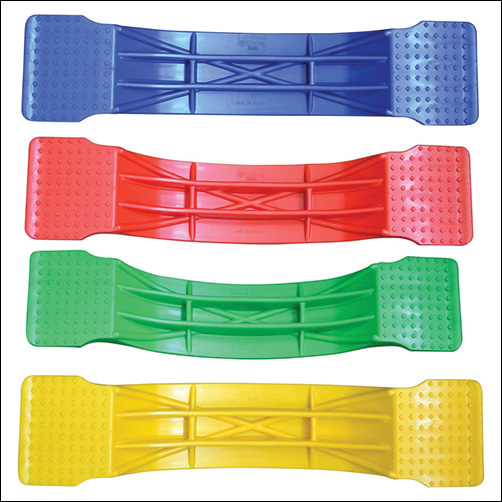
Waddle Plastic Balance Board

Fine and Gross Motor Activities: Tools like therapy putty, sensory beads, and balance boards. are examples of therapeutic resources that can be integrated into activities to enhance sensory experiences. For instance, swap therapy putty for traditional playdough activities to bring in grounding proprioceptive input. Add a balance board to traditional circle time activities to add vestibular stimulation that can increase alertness. 

By integrating therapeutic and educational resources into your home daycare setting, you can create an enriching environment that fosters sensory experiences and cognitive development for the children in your care.

Sommerfly Classic Weighted Shoulder Wrap

Everyday Sensory Solutions

Sensory-Friendly Environments

When creating sensory-friendly environments, the emphasis is on minimizing overwhelming stimuli and providing sensory solutions that promote regulated and organized responses to sensation. The goal is to create an environment that benefits individuals with sensory differences. Here are a few examples of how to reduce irritating auditory, visual, or tactile stimulation and ways to offer calming deep touch, movement, auditory, visual, and muscle work options to create your own sensory-friendly environment.

Auditory Stimulation:

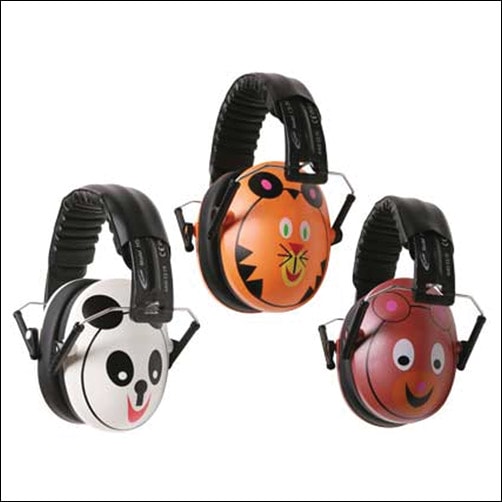
everyday sensory solutions HUSH BUDDY EARMUFFS
  • Provide noise-canceling headphones or earbuds to reduce or eliminate loud or overwhelming sounds.
  • Offer a quiet area or soundproofing measures to create a space with reduced auditory stimulation.
  • Use white noise machines or calming music to create a soothing auditory environment.

Visual Stimulation:

Fluorescent Light Filter
  • Use soft, neutral colors on walls and furnishings to create a calming visual atmosphere.
  • Provide adjustable lighting options, such as dimmers or natural light.
  • Use curtains, blinds, or fluorescent light covers to regulate incoming light and reduce glare.
  • Create visual points of interest, such as calm and nature-themed artwork. 
  • Avoid overcrowding walls with visuals.
  • Leave some walls blank or with very minimal visual input.

Tactile Stimulation:

  • Offer sensory-friendly materials, such as soft fabrics, textured surfaces, or materials that can be held or manipulated and aren’t scratchy and irritating.
  • Create sensory bins or tactile centers with various materials like pinto beans, rice, or soothing textured objects for tactile exploration.

Calming Deep Touch and Movement:

Sit Tight weighted lap pad

Muscle Work:

Remember that each individual may have unique sensory preferences, so it’s important to offer a variety of options and allow for personalization. By considering these strategies and tools, you can create a sensory-friendly environment that caters to the sensory preferences of individuals, promotes regulation, and enhances their overall well-being.  

It is important to note that all occupational therapists are trained in sensory processing and many have extensive experience and deep understanding in this area. Whenever possible, seek guidance from an occupational therapist for individualized sensory recommendations.

Stay tuned for our next installment of Everyday Sensory Solutions by Sommerfly.
For more information about Sommerfly Products visit Therapro.com.

Guest Blogger: Kristi Langslet, OTR/L

Kristi Langslet, OTR/L is the proud owner of Sommerfly, a company dedicated to providing individuals of all ages with sensory needs unique product designs that are meticulously crafted in the USA for optimal quality and construction. Most importantly, Sommerfly’s passion is to serve those who use our products.