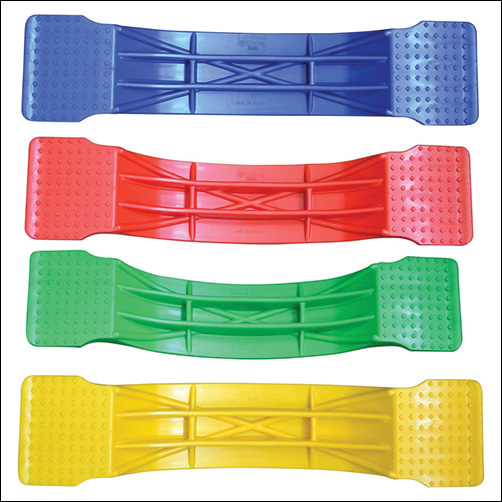
Summer is the perfect time to take learning outside while continuing to strengthen essential developmental skills. Outdoor fine motor activities help children maintain hand strength, coordination, dexterity, and visual motor integration during the summer months when structured school routines may be reduced. Outdoor play offers countless opportunities to prevent skill regression while making therapy feel like fun.
Fine motor and visual motor skills are foundational for handwriting, self-care tasks, classroom participation, sports, and everyday independence. When children spend weeks away from regular classroom activities, these skills can decline without consistent practice. Fortunately, simple outdoor activities can keep children engaged while supporting meaningful development.
Why Outdoor Practice Matters
Outdoor environments naturally encourage movement, problem-solving, and sensory experiences that support motor development. Uneven terrain, changing surfaces, and larger spaces challenge children to coordinate their bodies while using their hands with greater precision.
Many outdoor games also encourage:
- Bilateral coordination
- Hand strength
- Eye-hand coordination
- Visual tracking
- Motor planning
- Core strength and postural control
These skills work together to support successful participation in school and daily life.
Fine Motor Activities for the Backyard
Hands-on activities are one of the easiest ways to build strength while enjoying time outdoors.
Children can:
- Complete outdoor craft projects.
- Build structures using manipulatives.
- Practice grasp patterns while collecting rocks, leaves, or sticks.
- Create nature-inspired art.
- Play games requiring pinching, squeezing, twisting, and assembling.
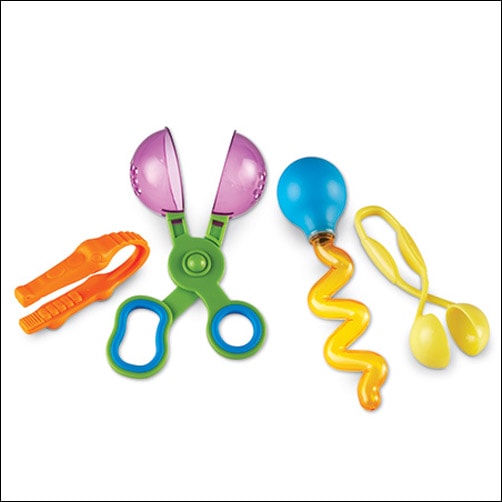
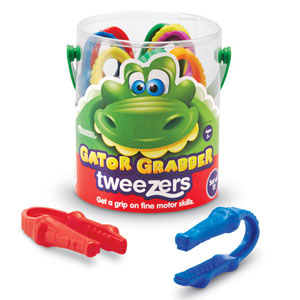
Therapro’s Hand Skills & Fine Motor Activities collection includes engaging resources designed to strengthen finger muscles, improve dexterity, and promote coordinated hand movements through purposeful play. These activities are easy to incorporate into home programs, summer therapy sessions, or classroom enrichment.

Build Visual Motor Skills Through Movement
Visual motor skills develop when children coordinate what they see with how they move. Outdoor obstacle courses, target games, scavenger hunts, and balance activities all encourage visual processing alongside whole-body movement.

The Move Your Body Fun Deck® is an excellent tool for creating active movement breaks outdoors. Each illustrated card encourages children to imitate movements, follow directions, improve body awareness, and practice motor planning while remaining physically active. It works well during therapy sessions, summer camps, or family playtime.
Movement-based games also strengthen attention, sequencing, and executive functioning skills that support learning when children return to school.
Challenge Balance, Coordination, and Core Strength
Gross motor development directly supports fine motor control. Children who develop strong postural stability are better able to use their hands efficiently during writing, cutting, dressing, and classroom tasks.

The Safety Grip Scooter Board promotes upper body strength, bilateral coordination, and motor planning through imaginative outdoor activities such as relay races, obstacle courses, and partner games. Therapists can easily adapt activities for children of varying ability levels while keeping sessions engaging.
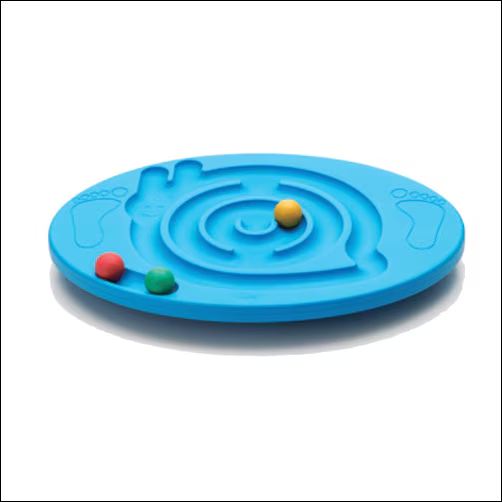
Another excellent option is the Balance Board Maze, which combines balance, visual tracking, coordination, and problem-solving into one interactive activity. As children shift their weight to guide the ball through the maze, they strengthen core muscles while developing visual motor integration and postural control.
Keep Skills Growing All Summer
Summer learning doesn’t have to happen at a desk. By combining outdoor movement with purposeful play, families and professionals can help children maintain important developmental skills while making lasting memories.
Whether you’re planning therapy sessions, home programs, or family activities, Therapro offers evidence-informed resources designed to make skill-building enjoyable all year long.
Explore our Hand Skills & Fine Motor Activities collection to discover engaging fine motor activities, browse our Visual Perception resources for visual motor games, and visit the Therablog for additional ideas to help prevent summer skill regression and keep children learning through play all season long.