
As National Physical Therapy Month comes to a close this October, and we prepare to celebrate World Occupational Therapy Day on October 27, 2026, it’s the perfect time to recognize how movement supports active participation in everyday life. Physical therapists (PTs) and occupational therapists (OTs) share an important goal: helping individuals build the skills, confidence, and independence needed to participate in meaningful activities. Whether a child is navigating a school hallway, participating in a playground game, or maintaining a comfortable position during classroom work, movement can be a powerful foundation for learning and engagement.
Why Movement Matters for Participation
Movement is about more than exercise. It supports the physical, sensory, and motor skills needed to engage in daily routines. Opportunities for movement can help children develop balance, coordination, motor planning, postural control, and body awareness. These skills contribute to functional activities such as sitting at a desk, managing transitions, participating in physical education, and completing fine-motor tasks.
For some children, remaining seated for extended periods can be challenging. Planned movement opportunities, active seating, and movement-based activities can offer alternative ways to participate while addressing individual needs. The goal is not to make every child move in the same way, but to identify strategies that support access, engagement, and success.
PT and OT: A Collaborative Approach
Physical therapists and occupational therapists bring complementary expertise to movement-based intervention. PTs often focus on mobility, strength, balance, endurance, and gross-motor performance. OTs consider how motor skills, sensory processing, positioning, and environmental demands affect participation in daily occupations, including play, self-care, and school activities.
When these professionals collaborate, they can develop strategies that address both underlying skills and real-world participation. For example, a PT may work with a student on dynamic balance and safe mobility, while an OT incorporates those skills into a classroom movement routine that supports transitions and access to learning materials.
Together, PTs and OTs can collaborate with teachers, speech-language pathologists (SLPs), and families to make movement opportunities practical and consistent across environments. Shared goals, clear communication, and regular review of student responses help ensure that movement activities are purposeful, individualized, and connected to functional outcomes.
Therapro Tools That Make Movement Meaningful
The right tools can make it easier to incorporate movement into therapy sessions, classrooms, and home routines. Therapro offers a variety of resources that encourage active participation while providing opportunities to practice motor, sensory, and early learning skills.
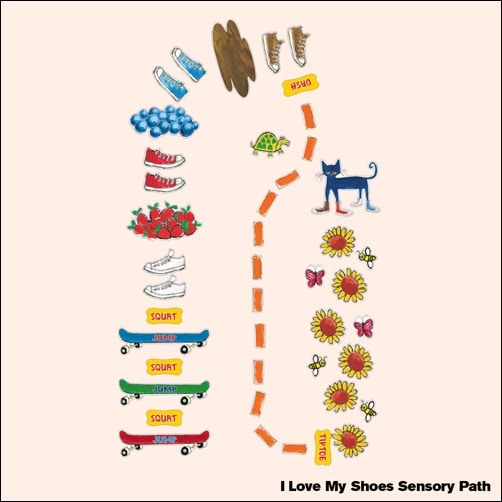
- Sensory Paths: Therapro’s Sensory Paths encourage children to jump, balance, follow movement sequences, and navigate visual cues. They can be incorporated into hallway transitions, movement breaks, or structured activities targeting motor planning and coordination.
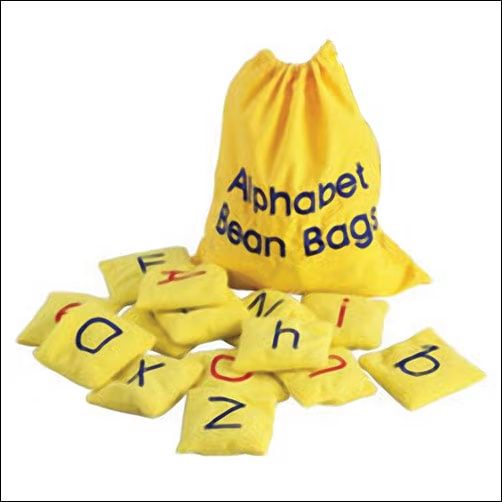
- Alphabet, Color, and Shape Bean Bags: Alphabet Bean Bags, Color Bean Bags, and Shape Bean Bags combine movement with opportunities to practice recognition, matching, following directions, and reaching or throwing toward a target. These versatile tools can support gross-motor coordination while reinforcing classroom concepts.
- Alternative and Active Seating: Explore Therapro’s Sitting and Moving resources for options that may support positioning and movement during seated activities. The appropriate seating choice depends on the individual’s needs, task demands, and safety considerations.
- Movement Activities and Resources: Therapro’s Movement Activities and Resources for Movement offer additional ideas for integrating purposeful movement into everyday routines.

Practical Strategies for Everyday Success
Movement supports active participation most effectively when it is connected to an individual’s goals and daily activities. Consider these practical strategies:
- Build movement into routines. Incorporate brief movement opportunities before challenging transitions, during classroom breaks, or between tabletop tasks.
- Connect movement with meaningful tasks. Use bean bags for reaching, tossing, and matching, or create movement sequences that encourage children to follow directions and navigate their environment.
- Individualize the approach. Consider each person’s motor abilities, sensory preferences, attention, fatigue, and accessibility needs when selecting activities.
- Collaborate across disciplines. Share observations and strategies among PTs, OTs, educators, SLPs, and families to promote consistency across settings.
- Monitor participation, not just performance. Look beyond whether a child completes an activity. Consider whether the strategy improves engagement, transitions, access to learning, or independence in daily routines.
Celebrating the Impact of PT and OT
As Physical Therapy Month concludes and World Occupational Therapy Day approaches, we celebrate the professionals who help people participate more fully in the activities that matter to them. PTs and OTs each bring valuable perspectives, and their collaboration can make movement a meaningful part of everyday life.
At Therapro, we’re proud to offer practical tools and resources that help therapists, educators, and families create opportunities for movement, learning, and participation. When movement has a purpose, it can open the door to greater engagement, confidence, and independence.