Tag Archives: low vision

Low vision support and assistive technology are essential for helping children and adults with visual impairments achieve greater independence. This tag provides practical strategies and resources for occupational therapists, assistive technology professionals (ATPs), educators, and caregivers.

Vision Care Considerations for Disabilities

Watch the full webinar here:
📺Optometric Care and Considerations for Individuals with Disabilities

On February 10, 2026, Dr. Jem Martin, OD, FAAO, presented an insightful webinar on vision care disabilities. The session provided practical guidance for therapists, educators, and allied health professionals on how vision intersects with functional performance in individuals with developmental or neurological differences.


1. Understanding Eye Anatomy and Function

Dr. Martin reviewed essential eye anatomy and visual pathways, emphasizing how variations can affect daily activities and learning. For professionals working with individuals with disabilities, recognizing how the visual system operates is key to interpreting behaviors and supporting functional goals. Integrating knowledge of vision care disabilities into your practice helps identify subtle signs that may impact performance in therapy, school, or home environments.


2. Common Eye Conditions in Disability Populations

The webinar highlighted conditions frequently seen in children and adults with disabilities, including:

  • Refractive errors such as myopia and hyperopia
  • Visual processing differences
  • Functional vision challenges impacting motor skills and learning

Understanding these conditions allows therapists and educators to tailor interventions, adapt environments, and collaborate effectively with vision specialists, improving outcomes for those with vision care disabilities.


3. Supporting Vision Across Disciplines

Beyond diagnosis, Dr. Martin offered actionable strategies for professionals:

  • Referral guidelines: Knowing when to involve an optometrist or vision specialist
  • Functional adaptations: Adjusting activities to accommodate visual processing challenges
  • Collaborative planning: Integrating vision considerations into therapy, classroom, and daily routines

By incorporating these strategies, professionals can enhance interdisciplinary care and better support individuals with vision care disabilities.


Key Takeaways for Therapists and Educators

  • Vision involves more than visual acuity; it’s a critical processing system that influences engagement with the environment.
  • Early recognition of visual challenges informs therapy goals, classroom accommodations, and adaptive strategies.
  • Collaboration with optometry specialists strengthens care plans and functional outcomes.
  • Awareness of eye conditions in disability populations helps decode behavioral and sensory cues.

Why You Should Watch the Full Webinar

The full recording expands on these insights, providing:

  • Clinical examples showing how vision challenges affect daily performance
  • Practical strategies for therapists, educators, and allied health professionals
  • Expert guidance on interdisciplinary collaboration and referrals

📺 Watch now: Optometric Care and Considerations for Individuals with Disabilities

Integrating vision care disability knowledge into practice ensures more effective support for individuals with developmental and neurological differences. Whether you are a therapist, educator, or allied health professional, this webinar is a must-watch for enhancing outcomes and improving daily function.


Challenges of Low Vision in Children

Definition and Impact:

Vision is the interpretation of what an individual sees. The visual system includes the following components: acuity, binocularity, fixation, and visual tracking. Low vision is a condition characterized by reduced vision that cannot be fully corrected with glasses, contact lenses, or surgery. “Challenged vision” seems to be a more descriptive term for this multi-faceted diagnosis because low vision seems to imply decreased visual acuity whereas challenged vision is a broader term and implies how vision problems affect visual perception. However, for this article, the term “low vision” will continue to be used to be inclusive of the many difficulties that are more inclusive than only visual acuity. Low vision may manifest with a number of problems including blurry vision, decreased depth perception, poor reading skills, discomfort sustaining visual attention, headaches, and more. Low vision can severely affect children’s ability to learn, develop social skills, and participate in daily activities.

The Vision Council is an organization that aspires to be a vision care leader in “enabling better vision for better lives.” Its mission includes promoting growth in vision care through advocacy, education, research, and consumer outreach. In June 2024, The Vision Council published a report: Focused inSights: Patients with Low Vision. Results were based on two Focus Groups representing participants with low vision (adults) and primary caregivers of children with low vision. Children were diagnosed, primarily by optometrists (41%), typically when a child began school. Symptoms included: blurry vision, light sensitivity, inability to see in low light, and struggles with reading. From there they were referred to other providers including low vision specialists, occupational therapists, and assistive technology specialists.

Developmental Challenges for Children with Low Vison:

Children with low vision often face developmental delays, particularly in motor skills, visual-spatial tasks, and academic skills including reading and writing. These challenges can lead to difficulties in reading, writing, and navigating the environment. The lack of visual cues can also hinder their social interactions and ability to learn from their surroundings. Low vision can lead to emotional and psychological challenges, such as frustration, anxiety, or social withdrawal, which are common in children dealing with impaired visual functioning.

Educational Needs for Children with Low Vision:

Education for children with low vision must be tailored to their specific needs. This often includes the use of assistive technologies, such as screen readers, to support their learning. Schools provide individualized education plans (IEPs) to accommodate these children effectively. Additionally, teachers can arrange their classrooms to avoid visual overstimulation for all students. Incorporating movement into a teaching activity, like pairing up with a classmate to throw and catch letter beanbags to learn letters, works on learning letters while using bilateral skills and spatial skills.

Therapeutic Interventions for Children with Low Vision:

Vision is considered more than optical clarity or muscle and nerve functioning; it examines vision development and is influenced by what the child sees along with their physical actions. Occupational therapy, vision therapy with a behavioral/developmental optometrist, and a vision professional with specialized training can help children with low vision
develop compensatory skills. These therapies focus on improving the child’s ability to perform daily activities, enhancing their remaining vision, and promoting independence.

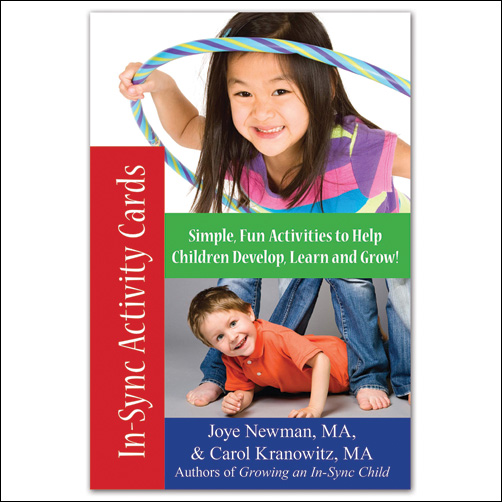
The June 4, 2024 Therapro webinar recording: Getting and Keeping Your Child’s Vision in Sync and the September 10, 2024 webinar, In-Sync Child Activities to Help Kids Develop and Enhance Visual Processing Skills by Joye Newman, are available to watch on demand. Joyce Newman provides a wonderful overview of how vision develops, components of the visual system, symptoms of dysfunction, and suggestions for treating them. Therapro has materials Joye recommended to address vision issues.

Parental and Caregiver Support:

Parents and caregivers play a vital role in supporting children with low vision. This support includes advocating for appropriate services, creating an accessible home environment, and helping children develop self-care and independence skills. Family involvement is crucial in helping children adapt to their visual challenges. Family is a crucial component of the
child’s team. Consistent carryover of teachers’ , therapists’, and vision specialists’ recommendations optimizes a child’s visual skills and visual development at home, school, and in the community.

Summary:

Early detection, intervention, and support are crucial to managing the impact of low vision on a child’s development. The quality of vision affects a child’s intellectual, emotional, behavioral, and social growth and development. Working as a team with teachers, therapists, and vision
specialists will empower parents and caregivers to support their child with low vision effectively.

Guest Author: Filomena Connor, MSOT-Retired