Category Archives: Events & Conferences

Get comprehensive details about Therapro’s active participation in various industry events and conferences, including informative presentations, hands-on workshops, and trade shows that showcase innovative therapy products and provide valuable professional development opportunities for clinicians and educators.

School-Based Feeding Therapy: Strategies and Tools

Eating a snack or lunch is an essential part of a student’s day at school. For students who have “feeding issues” that limit their participation at snack or lunchtime, a therapeutic feeding program might be an appropriate part of their Individualized Educational Plan (IEP). Occupational therapist, Lisa van Gorder, addressed the topic of school-based feeding therapy comprehensively in Therapro’s Saturday seminar entitled: Working with Feeding Problems in the School Setting. Lisa is the owner and Executive Director of Integrated Children’s Therapies in Hudson, MA.

Lisa reviewed some basic feeding facts and safety issues that must be considered prior to starting a feeding program. She explained reasons why a child may not eat, which include but are not limited to:

  • sensory processing problems
  • poor postural stability
  • underlying medical issues

She presented an interesting model in describing how discrimination and regulation play a vital role in oral feeding for the child with SPD.

Lisa cautioned that school systems differ widely in the provision of feeding therapy services. How to initiate treating a feeding problem in the school setting begins with a team approach that includes the child, parent, teacher, therapist, and teaching assistant. This group lays the ground rules for treatment, based on the child’s needs and the expectations within the school setting, i.e. 1:1 feeding therapy or addressing the issue within the school cafeteria where the primary goal may be successful socialization.

Lisa walked us through a hypothetical feeding therapy session, and stressed the importance of engagement of the student, which is very dependent on communicating to the student what the therapist will be doing. Touch cues paired with verbal and visual cues help the student feel safe and at ease with feeding therapy. Lisa described a variety of treatment approaches, including food chaining, in her talk. Her jam-packed toolbox includes the many available cups, spoons, straws, food with varied textures, and regulation activities she has found effective, which include suggestions for creating a therapeutic environment in the cafeteria.

Lisa supported her discussion with many cited research studies. She advised that learning to eat is a long process that evolves over time. The school setting may be one place where the child can gain eating skills, as it is an activity that occurs daily at school. However, further feeding support may be necessary with additional therapeutic input from an outpatient facility or clinic.

Take a look at some positive reviews attendees offered:

“I thought it was helpful – I am walking away with some ideas to try on Monday.” Rose O.

“The information was clear, comprehensive, applicable, & interesting.” Anonymous

“The presenter was extremely knowledgeable and realistic. She was very engaging. Thank you!” Melissa M.

Thank you, Lisa!

Filomena Connor, MS, OTR/L

March 14, 2015
Working Memory: An Overview and Implications

Diane Long, Ed.D, MOTR/L, presented our latest Therapro Saturday Seminar, Working Memory: An Overview and Implications, on November 8, 2014. In addition to her role as Chair of Occupational Therapy and associate professor at Ithaca College, she developed the Therapro publication, TRUNKS®: The Game of Motor-Memory.

Diane met her objectives for the seminar by:

  1. Reviewing a number of theories about the developmental aspects of working memory;
  2. Discussing how working memory contributes to learning, socializing, and task completion; and
  3. Identifying strategies for improving working memory.
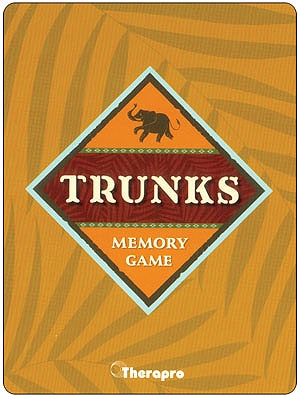
Cover of the game trunks, presented at the Saturday Seminar Working Memory: An Overview and Implications

Her engaging presentation style made reviewing neuro function interesting and applicable. She pointed out that with working memory we form a “mental snapshot” of a task in the prefontal cortex. She noted that working memory is a slowly developing system that does not mature until we are in our 20’s. Its job is to assist in keeping information organized without having to rely on external cues. An important key for us to remember when a child is working on a memory task is to minimize distractions for them, including not talking to them as they work.

Some researchers have found that using games can increase attention and motivation, which can improve visual memory. Diane has proposed that non-computer games (like TRUNKS) will improve working memory skills. She concluded her seminar by actually playing TRUNKS with the audience…”Elephants always remember.”

Seminar attendees had many positive comments about this seminar:

“Material was presented in a fun and interactive way with extreme relevance to therapeutic practice with children.” Molly F.

“Terrific and clear overview of working memory and the impact on learning. The working memory activities helped to apply the concepts.” Denise L.

“Informative but also interspersed with activities to keep up interest and also enhance theories.” Anonymous.

“Interesting topic, well presented, interactive and relevant to my job.” Neha S.

Thank you, Diane!

Filomena Connor, MS, OTR/L

15th Annual Therapies in the School Conference: Highlights

Therapists from across the country attended the 15th annual Therapies in the School Conference on November 20–21 in Framingham, MA, sponsored by Education Resources, Inc. This widely respected professional development event continues to bring together school-based occupational therapists, physical therapists, speech-language pathologists, and special educators committed to improving student outcomes. The conference featured a distinguished faculty who presented workshops on hot topics, including integrating visual and motor strategies that promote learning, addressing therapy delivery within time constraints, and developing executive function skills to boost student productivity and independence.

Therapro was proud to exhibit at the conference, connecting with school-based professionals and sharing tools designed to support evidence-based practice. Many therapists stopped by the Therapro booth to explore new product offerings, revisit favorite tools, or simply exchange ideas. These meaningful conversations reinforce our mission to provide practical, therapist-recommended resources that enhance school-based therapy.

Here are just a few Therapro favorites that were popular with attendees:

15th Annual Therapies in the School Conference: Games

15th Annual Therapies in the School Conference Favorites: Books

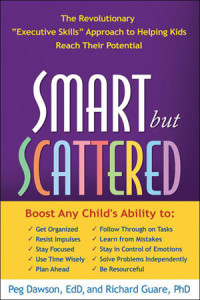
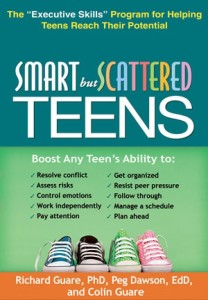
cover of the book Smart but ScatteredFront cover of Smart but Scattered Teens book on executive functioning for adolescents, a popular resource at the Therapies in the School Conference

Attendees left this conference with a wealth of information that will be directly applicable to their practice in the schools. Congratulations on celebrating 15 outstanding years of Therapies in the School!

Filomena Connor, MS, OTR/L