Classroom strategies encompass OT-informed approaches that support attention, posture, sensory needs, and motor skills to help students succeed academically and socially.
January 23 celebrated National Handwriting Day. In honor of a holiday near and dear to many occupational therapists’ hearts, we tasked you all with sending us your best ideas, tips, tricks, and opinions on all things handwriting. We then compiled these comments into Therapro’s first-ever series of collaborative blog posts. Our first topic, handwriting evaluations! Here is what you all had to say:
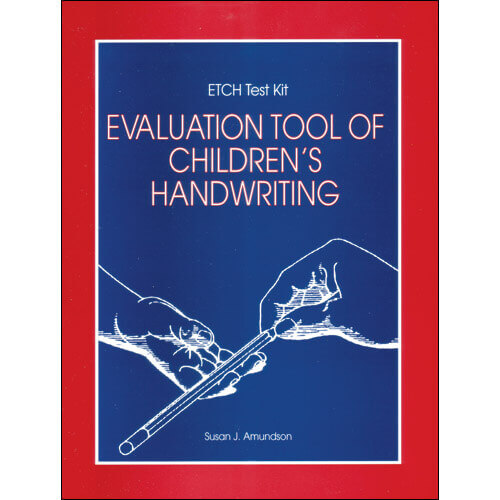
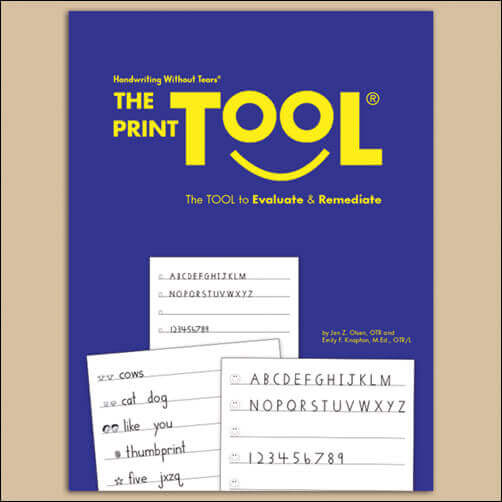
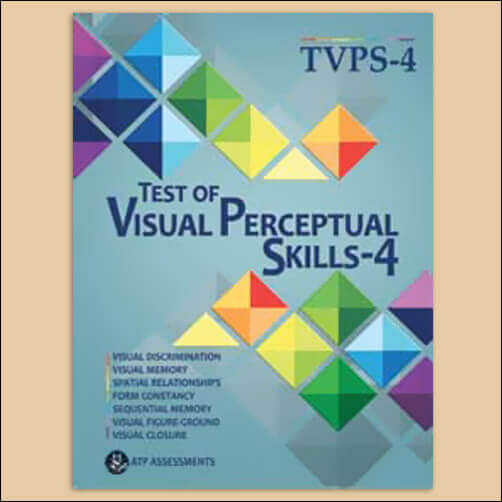
Favorite & Most Helpful Handwriting Assessment or Evaluation Methods
When discussing the pros and cons of each of these measures a few common themes emerged:
The Print Tool provides detailed information about a student’s physical approach to handwriting, but it can be time-consuming to administer and score.
Non-standardized measures can be quick and easy, but don’t provide needed normative data.
It is difficult to gain reliable information when a student does not yet know the alphabet.
Other Factors to Consider When Evaluating Handwriting
Therapists surveyed indicated that evaluating a student’s motor performance as well as visual perceptual skills was a critical aspect of the handwriting assessment process. Sensory, environmental, and psychosocial factors were also identified as areas to include when assessing a student’s handwriting.
Helpful Hints & Suggestions for Evaluating Handwriting
Include both a near-point and far-point copy task.
Include observations of the student performing both preferred and nonpreferred tasks.
When observing a child writing, position yourself for an optimal view of the student’s writing hand.
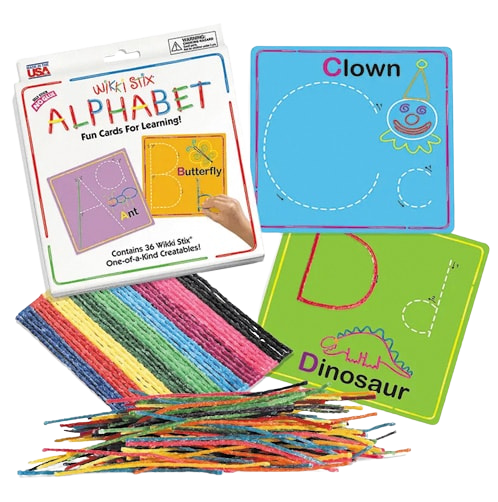
With academic demands increasing in the school setting, students’ free time is decreasing, and teachers try to create activities and stations for children to practice specific academic skills during class time. Occupational therapy practitioners have expertise in enhancing learning with fine motor tools, creating innovative interventions that combine fine motor development activities with academic skill development.
Here is a list of some simple fine motor activity ideas that can be used to support academic learning within the classroom environment. If you get creative you can come up with several ways to mix and match items to multiply the possibilities. Remember to share with your teachers.
Stacking Legos, Blocks, Unifix cubes with letters on it to make words
Catching and spelling letters
Velcro letters
3. Number Recognition
Using tongs to count items and match to a number
Dice games
Using a sand tray to write numbers
Puzzles
Searching for items in rice bin and match to number cards
4. Addition
Making math equations with beads on pipe cleaners
Creating a 10 frame out of egg carton
Stacking blocks to create patterns
Putting counters into slotted containers
BONUS!
Adapting many of these to remote learning is pretty easy. You can even host a scavenger hunt for the students to search their house to gather materials to create kits
The options for integrating fine motor tools into learning is limitless. I’m hoping I’ve listed a new one here for you to try with your students.
Having just the right seating arrangement can make the difference between a successful learning experience and one that is full of distractions, position changes, and learning sessions that don’t last as long as they should. When thinking about setting up your seat for virtual learning success, there are two big factors to consider: the physical setup and the sensory needs.
Physical Set Up
One of the most important considerations in addressing physical needs is the 90/90/90 rule. When seated in a chair, feet should be resting comfortably on the floor with a 90 degree angle at the hips, knees and ankles. The work surface should be at a height that allows the forearms to rest with the shoulders in a neutral position.
Sensory Needs
When addressing sensory needs related to positioning it is important to consider getting enough of the right kind of sensory stimulation. Virtual learning has provided long hours sitting at the computer or workspace for both those providing the virtual services and those receiving them. Virtual learning spaces are often devoid of the naturally occurring sensory stimuli sensory systems need to stay alert and focused. Classrooms, therapy rooms, and other work spaces are full of naturally occurring stimuli like enriching conversation with our fellow therapist, the chitter chatter of classmates, naturally occurring movement breaks as we move from one part of the building to another. Our sensory systems need stimuli to keep alert and focussed.
Try This:
Support the feet. When a chair is too big, legs and feet are left dangling and unsupported, decreasing postural stability needed for hand use. Adding a foot stool or foam mat under the feet provides the needed support. Using a foam mat has the added bonus of additional sensory input!
Support the back: An oversized chair results in the body being in an awkward extended position with the hips and knees not being able to flex at the desired 90 degree angles. Placing a seat wedge or towel roll between the child’s back and the chair back will help bring the child forward enough on the chair to allow the hips to flex to 90 degrees and the knees to bend appropriately over the edge of the chair. This position will increase overall comfort resulting in increased stamina for the work task.
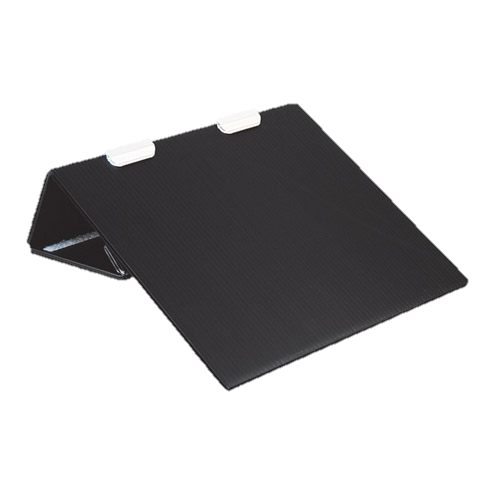
Bring Work to Eye Level. When the work surface is too low the natural tendency is to lean forward resulting in losing the 90 degree angle at the hips. A quick fix is to use a slant board which brings the work higher and reduces the lean forward.
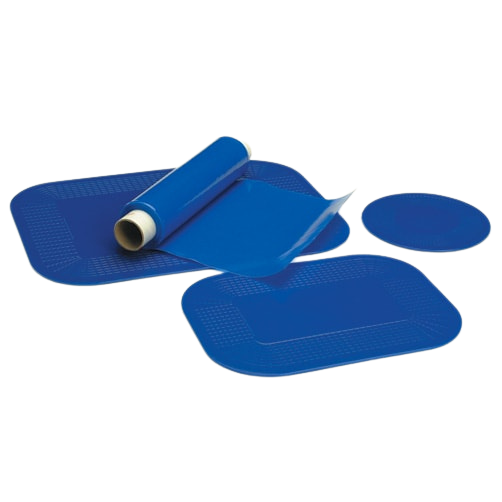
Use a Seat Cushion. When the work surface is too high, the forearms are positioned in a way that brings the shoulders up closer to the ears decreasing over stability and comfort. If changing the table or chair height is not an option, sitting on a folded towel, a book, or a cushion can help but make sure the child’s feet are still securely on a firm surface like a step stool! Additionally, cushions provide needed sensory input! Tip; use dycem to keep these positioning aids in place!
Use Alternative Seating.
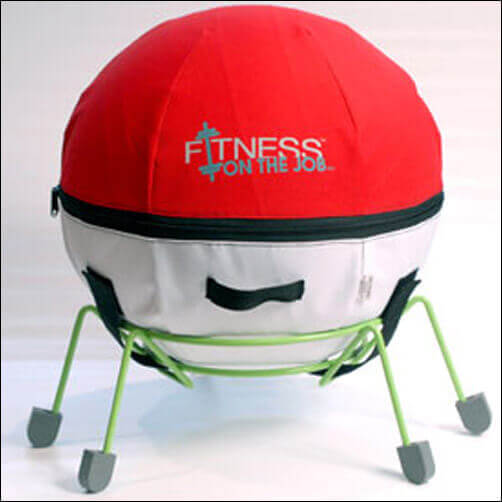
Do you want to increase a student’s alertness and ability to focus during extended seating activities? Add movement such as the Alert Seat or the Kore Wobble Chair!
Alternatively, long hours in front of a computer screen trying to filter out extraneous background sensory stimuli can lead to overstimulation. When calming or organizing input is needed try adding a foot fidget to the chair legs, or placing a portable foot fidget under the workspace. Other options included weighted lap pads or shoulder wraps.
Position Changes. Incorporating position changes through the work or school day is a great way to maintain attention and focus,
Standing at a counter height work space or taping work to a wall are options to allow for standing positions while working.
Lay down. Working while laying on the stomach is a great way to provide proprioceptive input through the shoulders joints (great for those needing calming and organizing input). This position also gives students who are struggling with postural instability more support so they can focus on their work and not on staying stable! Use yoga mats or cushions to provide comfort and a clipboard or slant board as a work surface.
Get Cozy. Another option for a position change is a bean bag. While not the best option for all types of tasks this is a great spot when reading or listening to an activity. The deep pressure input provides a great calming and organizing input.
Bean Bag ChairDycemSlant Board
Many of us have made the sudden change from a full day in a classroom or work environment with naturally occurring, enriching sensory experiences to alternative work spaces that may not always provide the type or intensity of sensory stimulation we need to stay alert and focused. Changing up the seating arrangement can be a great way to increase attention and focus during long days of virtual learning or teletherapy sessions.