Groundhog Day Activities for Skill Development

Groundhog Day offers a timely, engaging way to bring seasonal activities into therapy sessions and inclusive classrooms. Activities like the Groundhog Puppet connect naturally to curriculum themes while targeting critical developmental skills. Therapro’s Curriculum-Based Activities in Occupational Therapy: An Inclusion Resource is designed specifically to help therapists and educators embed meaningful therapeutic goals into everyday learning experiences—and Groundhog Day is a perfect example.

Why Use Curriculum-Based Activities in OT?

Curriculum-based therapy supports participation, relevance, and carryover. Rather than pulling students away from classroom learning, therapists can reinforce IEP goals using activities tied directly to academic content and holidays students already recognize. Curriculum Based Activities in Occupational Therapy provides adaptable, inclusive activities that support fine motor, visual motor, sensory processing, language, and social participation across settings.

One standout seasonal activity from this resource is the Groundhog Puppet, which Therapro also offers as a free downloadable sample. This printable activity is easy to implement, budget-friendly, and highly flexible for individual or group therapy sessions.

Therapeutic Benefits of the Groundhog Puppet Activity

The Groundhog Puppet is more than a craft—it’s a functional, goal-driven tool. When used intentionally, this activity supports:

  • Fine motor development: Cutting, folding, and assembling the puppet strengthen hand muscles, bilateral coordination, and scissor skills.
  • Visual motor integration: Following step-by-step directions and aligning pieces supports visual perception and motor planning.
  • Language and social skills: Pair the puppet with storytelling, sequencing, or role-play to encourage expressive language and pragmatic skills.
  • Sensory regulation: Hands-on crafting paired with predictable routines can support attention and self-regulation, especially when combined with movement or deep pressure breaks.

Because it’s curriculum-aligned, this activity fits seamlessly into classroom themes about seasons, weather, and prediction—making it ideal for inclusive service delivery.

Extend the Activity With Therapro Products

To maximize the impact of Groundhog Day OT activities, consider pairing the Groundhog Puppet with these Therapro favorites:

These tools help scaffold participation so every learner can engage meaningfully.

A Practical, Inclusive Way to Celebrate Groundhog Day

Groundhog Day doesn’t have to be just a fun classroom moment—it can be a purposeful therapy opportunity. By using Groundhog Day OT activities like the Groundhog Puppet, therapists and educators can support skill development while staying connected to the curriculum. Download the free Groundhog Puppet sample, explore Curriculum Based Activities in Occupational Therapy, and build seasonal lessons that truly support participation, progress, and inclusion.

Explore more curriculum-aligned therapy ideas on the Therapro Therablog and discover tools designed to support learning through meaningful activity.

What Still Matters in Handwriting Instruction

National Handwriting Day, observed on January 23, offers an opportunity for therapy providers and educators to reflect on what truly supports handwriting success in today’s classrooms. While technology continues to grow, handwriting remains a foundational skill tied to academic performance, fine motor development, and written expression. Effective handwriting instruction strategies still matter—especially when they are developmentally appropriate, functional, and goal-driven.

The question isn’t whether handwriting should be addressed, but how it should be taught and supported.

Handwriting Readiness Comes First

One of the most critical components of effective handwriting instruction strategies is readiness. Before focusing on letter formation, students need adequate postural control, bilateral coordination, visual-motor integration, and hand strength. When these foundational skills are overlooked, handwriting interventions often stall.

Slant Board

Tools such as slant boards help promote proper wrist positioning, shoulder stability, and visual alignment—simple adjustments that can significantly improve writing efficiency and endurance across grade levels.

The Role of Paper, Line Awareness, and Visual Support

highlighter-paper

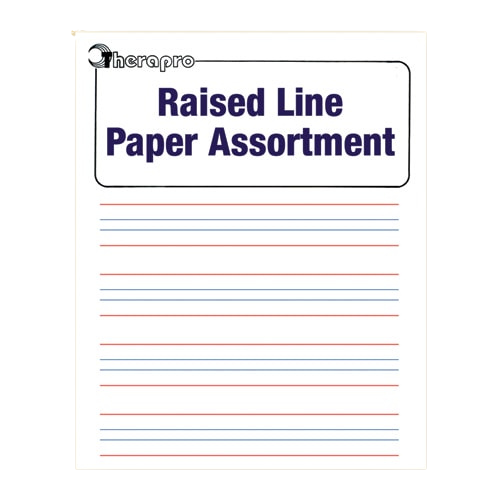
Not all handwriting challenges stem from letter formation. Many students struggle with spacing, line adherence, and visual organization. Highlighted and raised-line paper provides tactile and visual boundaries that support students who need additional feedback to organize written work. These supports are especially effective for students with visual-motor integration challenges or reduced proprioceptive awareness.

Using the right paper is not an accommodation shortcut—it’s a strategic instructional choice that helps students internalize spatial concepts over time.

Grips, Tools, and Functional Carryover

grip

Pencil grips continue to be an essential part of handwriting instruction when used intentionally. Pencil grips support functional grasp patterns, reduce fatigue, and encourage more efficient finger movement. The key is pairing grips with instruction and practice—not relying on them as a standalone solution.

When handwriting tools are integrated into daily classroom tasks, students are more likely to generalize skills beyond therapy sessions.

When Instruction and Accommodation Work Together

Effective handwriting instruction strategies balance remediation and accommodation. Some students need direct instruction to improve legibility, while others benefit from ongoing supports that allow them to access written tasks successfully. Recognizing this distinction helps IEP teams make informed decisions that prioritize participation and independence.

For additional guidance and evidence-based resources, explore the Therapro Blog, where therapists and educators can find practical strategies aligned with real-world classroom demands.

Supporting Handwriting Across the Team

Handwriting success improves when therapists, teachers, and families work together using shared strategies and tools. National Handwriting Day is a reminder that thoughtful, functional instruction—supported by the right materials—continues to play a meaningful role in student success.

New Year, New Goals: Turning IEP Objectives Into Daily Practice

January is a natural reset point in schools and therapy settings. IEP goals are active, routines are re-established, and teams are asking an important question: Are our goals showing up in daily practice? Effective functional IEP goal implementation goes beyond isolated therapy activities; it ensures skills are practiced meaningfully across classrooms, therapy sessions, and home routines.

Too often, IEP objectives are addressed only during scheduled service time. While direct intervention is essential, true progress happens when goals are embedded into everyday tasks. This means shifting from “therapy-only” strategies to functional, repeatable opportunities throughout the day.

From Goals to Real-Life Skills

Functional IEP goals should answer one key question: What will this student be able to do more independently in daily life? Whether the goal targets fine motor skills, sensory regulation, attention, or executive functioning, carryover is critical.

Drive Thru Menus

One effective approach is using structured, classroom-friendly tools that support consistency across providers. Drive-Thru Menus® are a practical example. These activity cards combine movement, academics, and sensory input, making it easier for teachers and therapists to reinforce goals such as attention, postural control, and self-regulation during natural transitions, not just during therapy time.

Supporting Sensory and Self-Regulation Goals

Just Right! A Sensory Modulation Curriculum for K–5

Many IEPs include goals related to sensory modulation, emotional regulation, or classroom participation. The Just Right! Sensory Modulation Curriculum helps teams use shared language and evidence-based strategies to support these goals throughout the school day. When everyone, from therapists to classroom staff, understands why a strategy is used, implementation becomes more consistent and effective.

Embedding sensory strategies into morning routines, work periods, or transitions allows students to practice regulation skills when they matter most.

Making Fine Motor Goals Functional

Fine motor goals should directly support classroom performance, not just skill acquisition. Resources like the Fine Motor Skills in the Classroom help therapists and educators design interventions that improve handwriting, tool use, and classroom participation while aligning with educational demands.

By focusing on functional outcomes—such as completing written assignments or managing classroom tools—teams can better track progress and demonstrate meaningful growth.

Collaboration Is the Key

Successful functional IEP goal implementation relies on collaboration. When therapists, educators, and families use shared tools and strategies, students experience consistent support across environments.

For more ideas on embedding therapy goals into daily routines, explore the Therapro Blog or browse Therapro’s classroom-ready therapy resources designed to support carryover beyond the therapy room.