Category Archives: Sensory Regulation

Investigate sensory regulation strategies, tools, and activities designed to help individuals achieve and maintain an optimal level of alertness for learning, socializing, and daily functioning. These resources are essential for managing overstimulation or under-responsiveness.

Why Early Sensory Modulation Matters: Webinar Overview

The January 6, 2026, webinar, Just Right! Jr.: Why Early Sensory Modulation Matters explored how intentional, developmentally appropriate sensory experiences can strengthen self-regulation in young children before challenges escalate. Designed for occupational therapists, educators, and caregivers, the session emphasized that early sensory modulation strategies are foundational—not optional—for supporting participation, engagement, and emotional learning in early childhood settings.

Rather than reacting to dysregulation after it occurs, the webinar reframed sensory modulation as a proactive approach that helps children understand their bodies, emotions, and needs throughout the day.


What Is Sensory Modulation in Early Childhood?

Sensory modulation refers to a child’s ability to regulate responses to sensory input in a way that supports attention, behavior, and emotional control. In early childhood, this skill is still emerging and must be taught through experience, language, and repetition.

The webinar highlighted how early sensory modulation strategies help children:

  • Recognize internal body signals (energy level, tension, calmness)
  • Develop emotional awareness and vocabulary
  • Adjust arousal levels for learning and social participation
  • Build the foundation for self-advocacy

Key Takeaways From the Webinar

1. Sensory Language Builds Self-Regulation

Children benefit from simple, consistent sensory language such as fast, slow, and just right. When adults model this language during daily routines, children begin to label their internal states and understand how movement and sensory input affect how they feel.

Using shared sensory language is a core component of effective early sensory modulation strategies and supports alignment between therapists, teachers, and caregivers. The presenter shared how her resource, Just Right! Jr.: A Sensory Modulation Curriculum for Emerging Learners helps teams use this shared language throughout the learning environment.

2. Regulation Develops Through Play and Movement

Play-based movement experiences—rhythm, heavy work, vestibular input, and tactile play—were emphasized as essential tools for developing modulation skills. These activities support regulation naturally while maintaining engagement and motivation.

Rather than pulling children out for isolated interventions, the webinar reinforced embedding early sensory modulation strategies into classroom routines and transitions.

3. Consistency Across Environments Matters

Sensory strategies are most effective when applied consistently across settings. When educators and therapists use the same sensory framework, children experience predictable support throughout the day, reducing frustration and behavioral escalation.


Why Early Sensory Modulation Matters Long-Term

When children learn to identify how their bodies feel and what helps them feel “just right,” they gain tools that extend beyond the classroom. Early use of early sensory modulation strategies supports:

  • Improved classroom participation
  • Stronger emotional regulation
  • Reduced behavior challenges
  • Increased independence over time

The webinar reinforced that early sensory support is an investment in long-term regulation and learning success.


Implementation Checklist: Early Sensory Modulation Strategies in Practice

Use this checklist to translate webinar concepts into daily routines.

Classroom & Therapy Environment

☐ Use consistent sensory language (fast/slow/just right) across adults

☐ Embed sensory supports into transitions and routines

☐ Offer movement opportunities before seated tasks

☐ Normalize regulation tools as part of learning, not rewards

Activities & Strategies

☐ Incorporate rhythmic movement (clapping, marching, bouncing)

☐ Use heavy work activities to support calming and focus

☐ Provide tactile experiences through play-based materials

☐ Allow choice to support autonomy and self-awareness

Adult Support & Modeling

☐ Model noticing and naming body states out loud

☐ Validate children’s sensory experiences without judgment

☐ Guide children toward strategies that help them feel regulated

☐ Reinforce self-advocacy when children express sensory needs

Collaboration

☐ Align sensory language across the classroom, therapy, and home

☐ Share strategies with caregivers for carryover

☐ Monitor and adjust supports based on child response


Bringing It All Together

The Just Right! Jr. webinar made it clear that early sensory modulation strategies are most effective when they are proactive, play-based, and consistently applied. By embedding sensory awareness into everyday experiences, professionals can help young learners build the regulation skills they need for lifelong participation and success.

The Just Right! Jr.: Why Early Sensory Modulation Matters webinar explored how intentional, developmentally appropriate sensory experiences can strengthen self-regulation in young children before challenges escalate. Designed for occupational therapists, educators, and caregivers, the session emphasized that early sensory modulation strategies are foundational—not optional—for supporting participation, engagement, and emotional learning in early childhood settings.

Rather than reacting to dysregulation after it occurs, the webinar reframed sensory modulation as a proactive approach that helps children understand their bodies, emotions, and needs throughout the day.


Levels of Whistle and Blow Toys Explained

Whistle and blow toys are more than just fun — they’re powerful tools in oral motor therapy that support breath control, lip closure, sensory regulation, and multisensory integration. Whether used by occupational therapists, speech-language pathologists, or other pediatric specialists, whistle and blow toys can be strategically selected and graded to match a child’s specific needs and abilities.

In the clinical guide M.O.R.E.: Integrating the Mouth With Sensory and Postural Functions, the authors explain how oral motor activities engage the sensory and postural systems simultaneously. Blowing activates the muscles of respiration and the oral-motor system while also stimulating alerting or calming effects, depending on intensity and pacing. Synchronizing breath with visual tracking or postural tasks further enhances body awareness and regulation. Selecting the right level of whistle or blow toy ensures that the activity challenges the child appropriately and supports therapeutic progress.

Understanding the Levels

Level 1 Whistles – Low Resistance, High Accessibility

These are ideal for children with reduced breath support or limited oral motor control. They require minimal pressure and allow success with less precise lip closure.

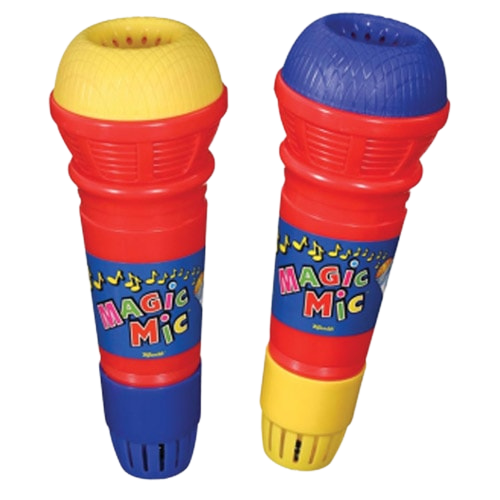
Echo microphone blow toy

Therapro Recommendations:

Level 2 Whistles – Moderate Breath Control Required


These tools are appropriate for children who have mastered basic breath activation and are ready to develop sustained airflow and coordination.

Therapro Recommendations:

  • Whistling Straws: Require focused airflow, ideal for mid-level strength building.
  • Floating Ball Game: Combines visual tracking with breath control, great for synchronizing breath and eye coordination.
Floating Ball Game blow toy

Level 3 Whistles – High Resistance, Advanced Control

These challenge even strong blowers. They demand powerful, sustained breath and refined control, activating deeper postural and respiratory systems.

Balloon Car Racer blow toy

Therapro Recommendations:

Therapeutic Benefits

  • Breath Support & Control: Essential for speech production, sustained phonation, and self-regulation.
  • Oral Motor Development: Enhances strength and coordination of the lips, cheeks, and tongue.
  • Sensory Regulation: Blowing can be alerting or calming, depending on resistance and activity structure.
  • Multisensory Integration: Eye-breath coordination and posture-breath synchrony help develop attention and motor planning.

Therapro’s full line of whistle and blow toys is organized to help therapists and parents choose developmentally appropriate tools that support targeted outcomes. For a deeper understanding of how oral motor input integrates with sensory and postural systems, consider adding M.O.R.E. to your resource library.

Explore Therapro’s oral motor therapy tools today and discover how simple, affordable tools can deliver powerful therapeutic results.

Guest Blogger: Karen Conrad Weihrauch, PhD, OTR/L

The OT’s Role in Promoting Healthy Lifestyles

Occupational therapy (OT) plays a vital role in promoting a healthy lifestyle by supporting physical, mental, and emotional well-being. From physical activity and sensory regulation to healthy eating habits and stress management, OTs empower individuals to build routines that enhance their overall health.

This Occupational Therapy Month, let’s explore key strategies OTs use to promote healthy lifestyles and share resources to support therapists in their work.


1. Promoting Healthy Lifestyles with Physical Activity & Movement 🚶‍♂️💪

Regular movement is essential for strength, coordination, balance, and overall well-being. Occupational therapists encourage fun, engaging activities that promote motor skills and physical fitness in both children and adults.

Therapro’s Top Picks for Movement & Mobility:

🔹 Wobble Chairs & Stability Discs – Great for improving core strength and active sitting in classrooms and therapy sessions.
🔹 Balance Boards & Stepping Stones – Help with coordination, balance, and motor planning while keeping movement engaging.
🔹 Therapy Balls – Ideal for vestibular input and postural control exercises.
🔹Resistance Bands – Fun ways to develop upper body strength, endurance, and proprioceptive input.

🔹 Browse more movement tools here: Therapro’s Move-To-Learn Collection

💡 Therapist Tip: Incorporate movement breaks throughout the day to help children and adults maintain focus, regulate energy levels, and reduce stress.


2. Promoting Healthy Lifestyles with Sensory Regulation & Mindfulness 🧘‍♀️

Managing sensory input and practicing mindfulness are essential for reducing stress and supporting mental well-being. OTs use sensory-friendly activities to help individuals stay calm, focused, and self-regulated throughout the day.

Therapro’s Top Picks for Sensory Support:

🔹 Fidget Tools – Support focus and self-regulation with tools like Therapro’s Fidget Kit and Koosh Ball Fidgets.
🔹 Weighted Products – Deep pressure input from Weighted Blankets, Compression Vests, and Shoulder Wraps can provide a calming effect.
🔹 Chews & Oral Motor Tools – Items like Chewable Jewelry and Bite-N-Chew Tips help with oral sensory needs and self-soothing.
🔹 Sensory Seating – Products like the Disc ‘O’ Sit Cushion promote active sitting while offering subtle movement input.
🔹 Therapeutic Brushes & Tactile Sensory Items – The Wilbarger Therapressure Brush supports sensory defensiveness, while Cuddle Balls provide rich tactile input.

🔹 Explore more sensory tools here: Therapro’s Sensory Collection

💡 Therapist Tip: Create a sensory toolkit for home, school, or therapy sessions, including fidgets, weighted tools, and calming visuals to support self-regulation throughout the day.


3. Promoting Healthy Lifestyles with Healthy Eating Habits & Self-Care 🍎🥗

Nutrition and self-care routines are essential parts of a balanced lifestyle. OTs help individuals with feeding challenges, adaptive utensils, and personal care skills to promote independence in daily routines.

Therapro’s Top Picks for Mealtime & Self-Care:

🔹 Adaptive Utensils & Cups – Products like the TheraBear Drinking Cup and Maroon Spoons support individuals with oral motor and self-feeding challenges.
🔹 Plate Guards & Non-Slip Placemats – Tools such as the Inner Lip Plate and Dycem Mats help prevent spills and encourage independent eating.
🔹 Visual Schedules & Timers – Supports like the Time Timer can help establish structured mealtime and self-care routines.
🔹 Dressing & Grooming Aids – Items like Button Hooks and Zipper Pulls assist with developing dressing independence.
🔹 Oral Motor ToolsWhistles, straws, and chew tools aid in strengthening oral muscles for feeding and speech development.

🔹 Explore more daily living tools here: Therapro’s Daily Living Collection

💡 Therapist Tip: Encourage families to set up predictable daily routines using visual schedules, timers, and adaptive tools to promote independence and reduce stress.


4. Promoting Healthy Lifestyles with Social Participation & Mental Health 🤝💬

A healthy lifestyle includes building meaningful relationships, developing social-emotional skills, and managing emotions effectively. OTs support clients in fostering social communication, emotional regulation, and self-awareness to promote overall well-being.

Therapro’s Top Picks for Social-Emotional Learning (SEL):

🔹Social Awareness & Conversation Tools – Games like Let’s Talk Cubes and Webber® Photo Cards – What Are They Thinking? encourage turn-taking, perspective-taking, and conversation-building.
🔹 Coping & Self-Regulation Tools – The Big Feelings Pineapple and My Spark Cards Tool Box teach essential strategies for stress management and emotional resilience.

🔹 Explore more SEL resources here: Therapro’s Social-Emotional Learning Collection

💡 Therapist Tip: Use visual supports, role-playing, and structured social games to reinforce emotional regulation, problem-solving, and positive interactions in therapy sessions.


Join the Conversation! 🗣

💡 What are your favorite OT strategies for promoting healthy lifestyles? Tag @Therapro in your social media posts!

Let’s work together to empower individuals to move, learn, and live well every day!