Category Archives: Sensory

Investigate evidence-based sensory integration strategies and therapeutic tools designed to help individuals of all ages regulate sensory input, enhance emotional regulation, and improve behavior, attention, and participation across a variety of environments.

How to Help the Over Responsive Sensory System

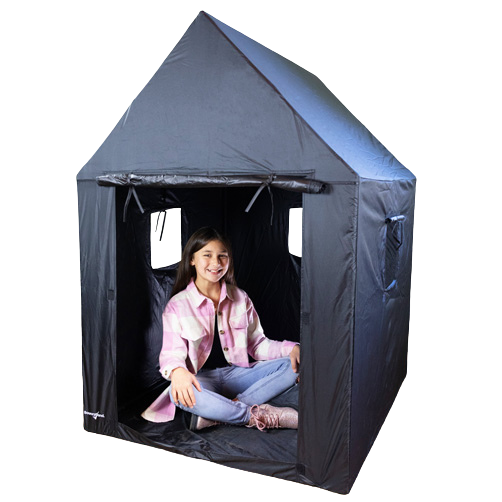
Over responsive sensory systems need opportunities to take breaks from sensory stimuli through the day.  The analogy of a Thanksgiving feast can be used to illustrate an over responsive sensory system.  After a large Thanksgiving meal we may get to the point where we simply can not add another bite of food to our very full bellies, doing so would just make us sick.  The over responsive sensory systems are filled to capacity with sensory stimuli and can not handle another bit of sensory information.  When the sensory system hits capacity you may see things like big reactions to small problems or ‘shut down’ types of behavior.  Just like a nap after a Thanksgiving meal does wonders to help digest and reset our full bellies, a break from sensory stimuli does wonders for the over responsive sensory systems.  Total elimination of sensory stimuli is nearly impossible but offering a space with dampened sensory stimuli, to retreat to when needed, can help with overall regulation through the day, leading to greater ability to successfully participate and attend. These spaces can often be created with minimal equipment and little space.  Check out these ideas: 

Cozy Corners: Corners are a great spot to set up a calming space; corners naturally provide barriers on two sides and are a great spot to tack a small blanket overhead to create a roof. These types of spaces are especially great for sensory systems that are easily overwhelmed by tactile input.  The walls provide a barrier from unwanted tactile sensations like the accidental bump from another child or the breeze from a fan.  

Forts.  Forts can be created by simply throwing a blanket over a table or two opposing chairs. Forts are great for sensory systems that are easily overstimulated by visual input because forts are dark and act to eliminate extraneous visual input.  

Retreat Space.  Occasionally we are lucky to find an unused space away from the hustle and bustle of daily life.  This may be an outdoor area, an accessible attic or basement space, or a nook in the corner of a porch.  These types of spaces are ideal for sensory systems who have difficulty filtering out extraneous auditory or olfactory stimuli (so important to consider as we get into the holidays and all the cooking that comes along with it).  

The availability of these spaces is often enough to help the overstimulated sensory system regroup and decompress.  However, additions to these spaces may be helpful! Some ideas include: 

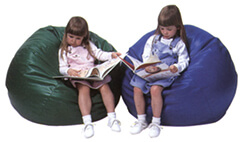
  • BeanbagsBeanbags are a great way to increase deep pressure input to help organize and regulate an over stimulated sensory system.  The High Back Bean Bag Chair is a great option when more support is needed. The HowdaHUGS chair is a great option for smaller spaces or when portability is needed (take it on that trip to grandmas along with a small blanket for an instant retreat space during the holiday hustle and bustle)! 
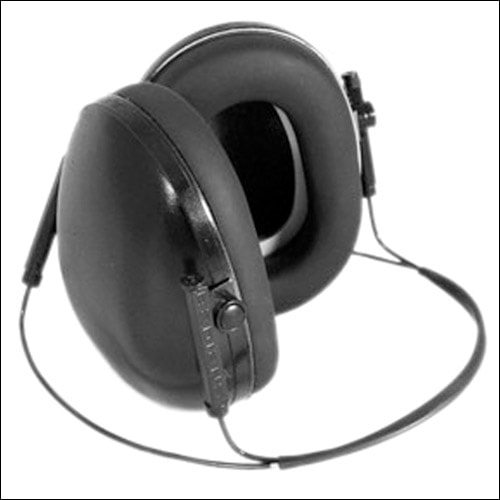
  • Noise Cancelling Headphones.  Headphones help filter out extraneous auditory input allowing the other sensory systems a chance to regroup! 
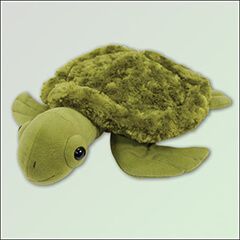
  • Weighted Items.   Weighted items, when used appropriately, can be a great source for deep pressure input that helps to organize an over stimulated sensory system.  There are so many to choose from; weighted lap pads, weighted should wraps, and weighted animals.  
  • Oral Input.  Resistive sucking using a water bottle or through a straw,  blowing bubbles,  or using a chew all are great ways to provide organizing proprioceptive input.  

The availability of a space that limits extraneous sensory stimuli can be a welcome relief for those struggling with over responsive sensory systems.  Having access to a place that allows the sensory systems to regroup, decompress  and re-organizes can lead to greater participation in day to day activities.  These spaces can easily be created with everyday items found around the home! 

Advanced Treatment Strategies for Youth with Complex Behavior

Speaker John Pagano, PhD, OTR/L who present Advanced Treatment Strategies for Youth with Complex Behavioral Challenges

On November 16, John Pagano, PhD, OTR/L presented his Therapro Saturday Seminar, Advanced Treatment Strategies for Youth with Complex Behavioral Challenges, to a captivated audience. The energy in the room was palpable throughout the two hour talk. Dr. Pagano ‘s passion was evident as he discussed assessing and treating children and adolescents who have complex behavioral disorders. He shared clinical examples and anecdotes to highlight his talk, peppered with humor. Leading the audience through many experiential activities provided them with examples of practical tools to use with individuals and groups.

John is an occupational therapist who practices at an adolescent psychiatric hospital and school. He is a certified instructor of Positive Behavioral Support and Movement Based Learning Strategies. His years of experience include working in various settings including adolescent juvenile detention, psychiatric hospital, adolescent group home, and in special needs, regular education and preschool classrooms. He is the author of the recently published book, FAB: Functionally Alert Behavior Strategies: Integrated Behavioral, Developmental, Sensory, Mindfulness & Massage Treatment.

John discussed the importance of setting functional behavioral goals when providing OT, PT, and Speech/Language therapies for students with complex behavioral disorders. He frequently reiterated the value of a team approach, including ABA specialists, to working with this population.

FAB Strategies® are Dr. Pagano’s evidence-based, practical strategies that use “clinical reasoning based on current clinical research and neurology to develop the individualized strategies needed to address complex behavioral challenges.” John reviewed Sensory Processing Disorders, how they interact, and how to treat them using sensory based interventions. In his discussion of Sensory Modulation Disorders, John stated that his research and experience have shown that the olfactory sense is a powerful teaching tool for those with ASD and for those who have experienced trauma. He has found that pairing a scent is very effective for achieving the desired Quiet Alert state of arousal. He advocated using materials like Scented Dough and scented markers as treatment materials.

John disclosed that research supports that mindfulness strategies are an effective and powerful treatment methodology for improving special needs students’ behavior and executive functioning. John led the group in breathing and movement activities that he uses with his students that also increase body awareness. John taught the group a number of quick, easy, and practical strategies to circumvent problem behaviors. For example, his FAB Turtle Strategy involves 4 steps: 1) Notice environmental & body triggers – STOP 2) Go to the sensory coping area 3) Do your individual coping strategy 4) Later problem solve with help. Fidgets like Loopeez, Boinks, Panic Pete, and Theraband were mentioned as some of John’s favorites for calming.

Dr. Pagano is a dynamic presenter who generously shared resources and evidence-based, practical treatment strategies for working with children and adolescents who have complex behavioral challenges. He integrates all that he has learned in his years of experience with current research so adeptly!! Attendees left this seminar with ideas they could put to use immediately in their practice.

Take a look at some of the overwhelmingly positive comments from those who attended John’s seminar:

“I left full of simple/functional strategies to try with my students, all ages. John is simply AMAZING!!!” – Christie H, Speech/Language Pathologist

“John is an excellent speaker who was very helpful, evidence based, and offered suggestions for treatment.” – Renee S., Physical Therapist

“Offered many resources & activities that can be used immediately in my practice & therapy.” – Rose O, Occupational Therapist

“John’s sense of humor made this important topic fun. Many teachers & therapists are struggling in the classroom. These are strategies that can be implemented Monday. In addition, his strategies come from evidence based research of strategies/techniques that help our students make progress.” – Jennifer H, Occupational Therapist

Thank you, John!

Filomena Connor, OT, MS, OTR
November 16, 2019

Making Sensory Connections Through Mock Sense-Ability Activities

Karen Moore, OTR/L, author of the Sensory Connection Program

On September 14th, Therapro’s Saturday Seminar Series featured Karen Moore, OTR/L, author of the Sensory Connection Program. Karen’s passion is mental health practice, where she has had extensive experience in acute psychiatric care and in various residential settings with adult and adolescent psychiatric patients. Her career-long commitment to the study and use of sensory modalities for treatment in psychiatric care culminated in the writing of her book, The Sensory Connection Program: Activities for Mental Health Treatment. Her subsequent publications include: The Sensory Connection Program: Self Regulation Workbook and The Sensory Connection Program: Curriculum for Self Regulation. Karen has presented workshops on sensory related treatment to programs and facilities throughout the country, including presentations for “at risk” youths, special needs students, and behavioral programs for adolescent treatment.

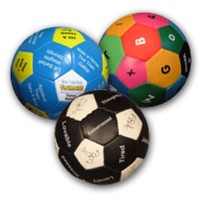
Karen’s seminar involved active participation by all the attendees in a simulated Sense-ability Group while sitting in a circle and being challenged motorically, socially, cognitively, and with sensory activities. Karen demonstrated how to adapt the group to target certain behaviors and skills of individuals in the group with the goal of each participant feeling competent and positive. Karen’s style was encouraging, supportive, and at the same time fluid in targeting the needs of each participant. Her anecdotes from her practice were enlightening. Karen described the Sense-ability Group Stages 1-6 along with activities the facilitator might use in each. These stages include the Awareness Stage, Moving and Breathing Stage, Conversing Stage, Active/Interacting Stage, and Learning Stage. Attendees tried out many novelty as well as familiar games in the group such a Hot Potato, to spark interest and energize a sluggish group; ball play with Koosh Ball, parachute games for movement and interaction; Theraband rowing for strengthening and reciprocal movement; Thumball to help express emotion, and many many more! Karen referred all to her website sensoryconnectionprogram.com for full instruction and details for every stage of the Sense-ability Group.

Karen is a Therapro author, and all of her publications are available through the Therapro website. She recommends both the manual and handbook of The Sensory Connection Program: Activities for Mental Health Treatment. These activities can be adapted and interchanged easily for a wide range of purposes, ages, and settings. All of Karen’s books use a person-centered treatment approach that begins with self-awareness and then moves on to self-regulation and eventually to self-care.

In summary, a Sense-ability Group is a highly adaptable, supportive group for those who experience a variety of symptoms that might include, depression, anxiety, psychosis, disorganization, poor self regulation, sensory problems, difficulty with social skills, physical challenges, and much more. The facilitator designs the group to ensure that the participants have a successful, enjoyable experience. Every group is different and is modified by the facilitator depending on the environment, the mood of the group, the participants, etc. Activities might include movement, sensory, physical, cognitive, and social experiences. The goal of the group is that each participant feels competent and improves function.

Thank you, Karen, for sharing your knowledge, expertise, and dedication to mental health treatment by modeling how a Sense-ability group can be a highly effective occupational therapy treatment modality… and lots of FUN!

Take a look at just a few of the glowing comments from those who attended Karen’s seminar:

“It accentuated how incorporating sensory games can enhance engagement, self-regulation & learning all at once.” – Christine C.B., Occupational Therapist

“Awesome ideas for sensory based social skills learning. Great intro & walk through of the materials.” – I.D., Occupational Therapist

“Very hands on and applies to so many different levels of abilities and ages!!” – Beth M., Occupational Therapist

“Hands on. Lots of group ideas. Real life examples. Very comprehensive. Holistic approaches. Many recommended activities & resources.” – Joann W., Occupational Therapist

Thank you, Karen!

Filomena Connor, OT, MS, OTR
September 14, 2019