Category Archives: Sensory Regulation

Investigate sensory regulation strategies, tools, and activities designed to help individuals achieve and maintain an optimal level of alertness for learning, socializing, and daily functioning. These resources are essential for managing overstimulation or under-responsiveness.

Creating Sensory Spaces for Wellbeing

In today’s fast-paced world, having a calming retreat is essential for individuals who may experience sensory overload, including children and adults with autism, ADHD, sensory processing challenges, or anxiety. Sensory spaces provide these much-needed areas of refuge, offering tools to regulate emotions, improve focus, and promote overall wellbeing. Whether you’re a therapist designing a clinic, an educator enhancing a classroom, or a parent creating a calming corner at home, sensory spaces can make a significant difference.

What is a Sensory Space?

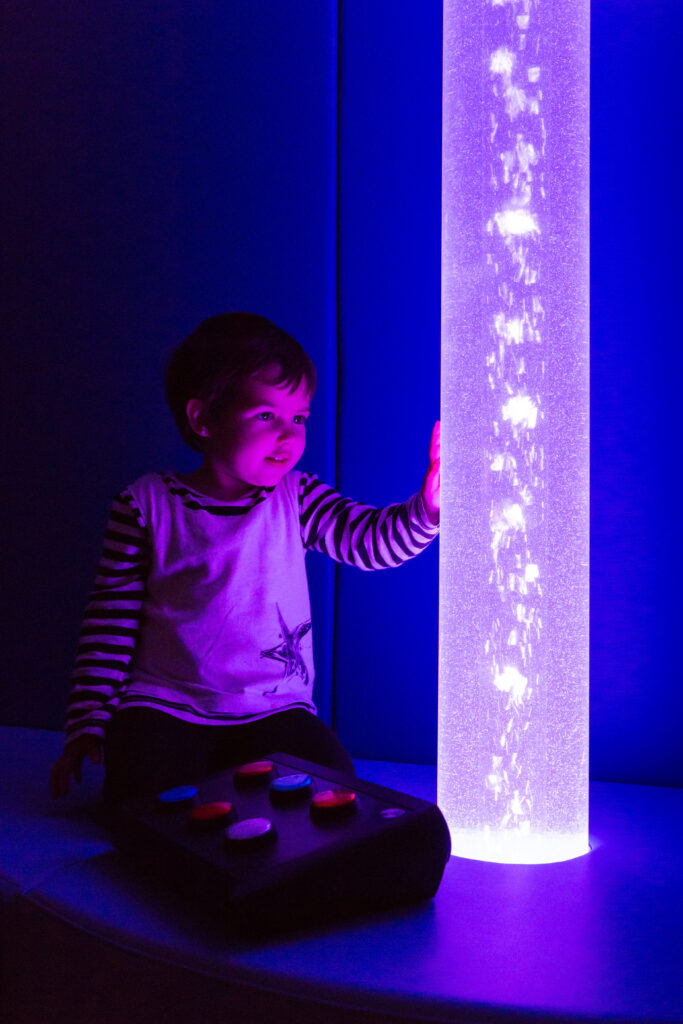
A sensory space is a carefully designed environment that provides sensory input to help individuals regulate their emotions, behaviors, and sensory processing needs. These spaces are often used to support children and adults with sensory processing challenges, such as those with autism, ADHD, or sensory integration disorders. Sensory spaces can include calming elements like soft lighting, weighted blankets, and gentle music, as well as stimulating features such as textured surfaces, bubble tubes, and interactive activities. The goal is to create a balanced setting that promotes relaxation, focus, or engagement, depending on the individual’s needs.

The Importance of Sensory Spaces

Sensory spaces are vital for individuals with sensory processing challenges as they provide a safe, controlled environment to meet unique sensory needs. These spaces are essential for promoting emotional regulation, reducing anxiety, and fostering focus and engagement. These spaces are more than just calming zones—they empower individuals by offering opportunities to explore sensory experiences in a controlled, therapeutic manner. Whether it’s the soothing glow of a bubble tube or the tactile engagement of sensory-rich objects, these elements foster relaxation, learning, and emotional balance. By offering a mix of calming and stimulating elements, sensory spaces empower individuals to better navigate their environments, enhance self-awareness, and build skills for independence. For children in therapeutic, educational, or home settings, these spaces are a critical tool for supporting holistic development and well-being.

Therapro’s Plug-and-Play Sensory Solutions

At Therapro, we understand the importance of accessible sensory solutions. Creating a sensory space doesn’t have to involve extensive renovations or large areas. Products like the Luminea Corner, SENcastle All-In-One Sensory Room, and Luminea Bubble Tube Kits offer practical, ready-to-use options for therapists, educators, and parents.

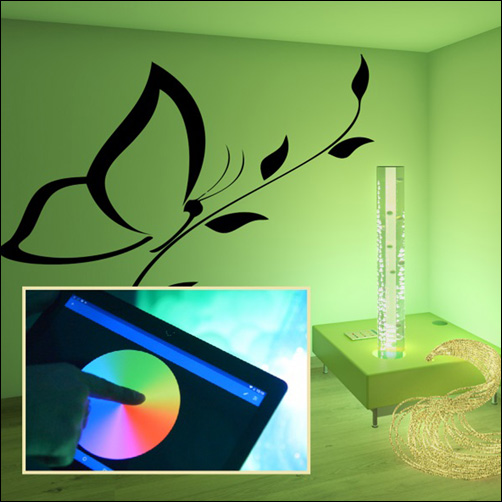
The Luminea Corner, a compact yet impactful sensory environment

Luminea Corner: This innovative solution combines sensory integration with skill development through its compatibility with the Luminea app. The app enables dynamic interaction with the bubble tube and fiber optic lights, offering a customizable light display that can be used to work on fine motor skills, visual perception, and speech goals. This dual-purpose setup not only creates a calming sensory retreat but also transforms the space into an engaging therapeutic tool tailored to individual developmental needs.

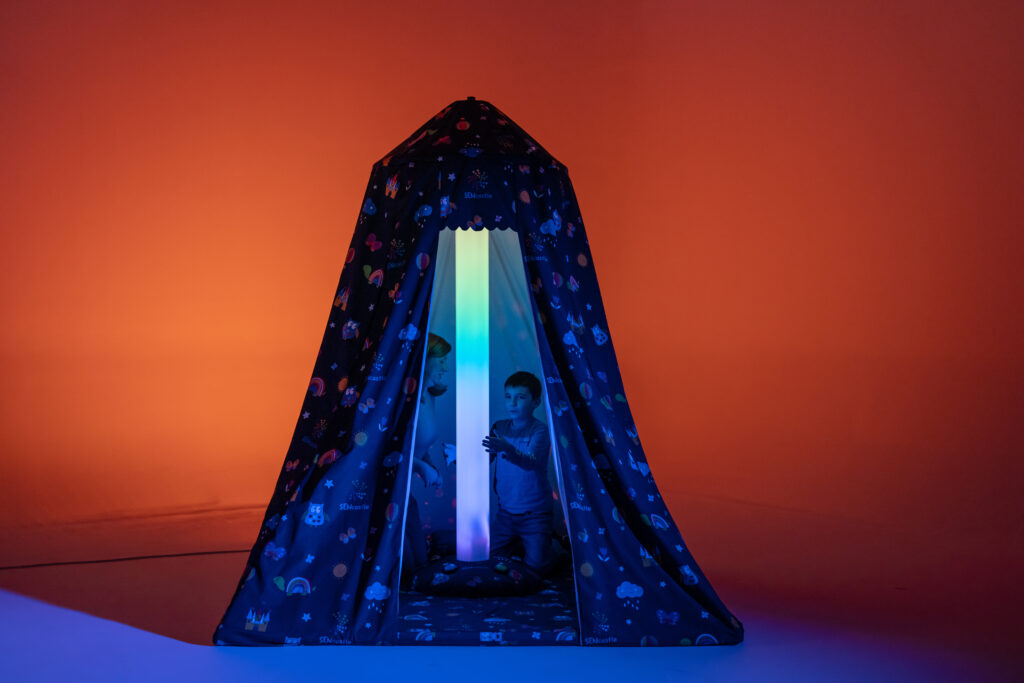
The SENcastle: Perfect for small spaces or as a cozy corner within a larger sensory room, the SENcastle All-In-One Sensory Room provides everything needed to create a calming and engaging environment for self-regulation and relaxation. Its centerpiece, a captivating light column, integrates visual and auditory elements to stimulate multiple senses. Additionally, the SENcastle includes weighted, vibrating, and tactile pillows that target the tactile, auditory, proprioceptive, and visual senses, making it a compact yet comprehensive solution for sensory integration and therapeutic support.

SENcastle all in one sensory solution
Luminea Bubble Tube Kit

Luminea Bubble Tube Kits: These versatile kits are designed to adapt to a variety of spaces, with three distinct base options that cater to different sensory and therapeutic needs. The simple protector module provides a sleek, minimalist design that safeguards the electronics while maintaining easy access. The square base offers a sturdy seating area, allowing users to sit comfortably and view the bubble tube from multiple angles, ideal for group or one-on-one sessions. The corner base is perfect for maximizing space efficiency, enabling users to interact with the bubble tube from a seated or floor-level position while enjoying a cozy, immersive experience. Each of these options ensures that the bubble tube is both functional and accessible, providing visual stimulation to support sensory integration and therapeutic goals.

Tips for Designing Your Sensory Space

  • Adapt to Your Space: With Therapro’s modular options, even small spaces can become sensory havens.
  • Prioritize Accessibility: Ensure the sensory tools are easy to access and interact with for users of all abilities.
  • Maximize Comfort: Incorporate soft seating, cushions, or mats to create a welcoming environment.
  • Incorporate Multi-Sensory Elements: Combine visual, tactile, and auditory stimuli for a holistic sensory experience.

Make the Most of Your Space with Therapro

At Therapro, we understand the challenges of designing sensory spaces. That’s why our solutions are thoughtfully designed to be effective, user-friendly, and adaptable. Whether you’re a professional or a parent, our sensory tools provide the perfect foundation for creating spaces that enhance well-being and promote regulation.

Explore the Luminea Corner, SENcastle, and Luminea Bubble Tube Kit to get started on your sensory space journey. Together, we can create environments where individuals feel calm, supported, and ready to thrive.

Practical and Effective Strategies to Improve Self-Regulation: Recap

Jocelynn Wallach, MS, OTR/L‘s September 15th Saturday Seminar entitled: Practical and Effective Strategies to Improve Self-Regulation and Executive Function Skills, was a two hour presentation filled with useful and immediately applicable information. She shared valuable insights and information with the 51 captivated attendees!

With a wealth of over 40 years of pediatric experience in her distinguished career, Jocelynn provides innovative occupational therapy services for children in the Westwood, MA Public School System. In addition to her school-based practice, Jocelynn manages her private practice, Capable Hands and Associates. In addition, she has lectured nation-wide, taught college level courses, and provides training sessions and professional development courses for parents, therapists, instructional aides, and therapists in a variety of settings.

Jocelynn’s learning objectives for her seminar included reviewing the meaning of self-regulation and executive function skills based on the work of A. Jean Ayres, Lucy Jane Miller, Peg Dawson, and Richard Guare. Based on their body of work, she concludes that “self-regulation, which is the end result of well developed sensory integration and effective sensory processing, is the basis upon which higher level executive function skills can develop.”

Jocelynn provided an excellent review of neurological function to illuminate the relationship between self-regulation and executive function skills. She then proceeded to highlight the developmental stages of self-regulation and executive functioning from infancy through adolescence. She discussed “red flag” behaviors that might be observed when a sensory processing disorder and/or executive function dysfunction is present. The following website was recommended to help parents and school personnel have a better understanding of learning processes, insights into difficulties, and strategies for responding: Misunderstood Minds.

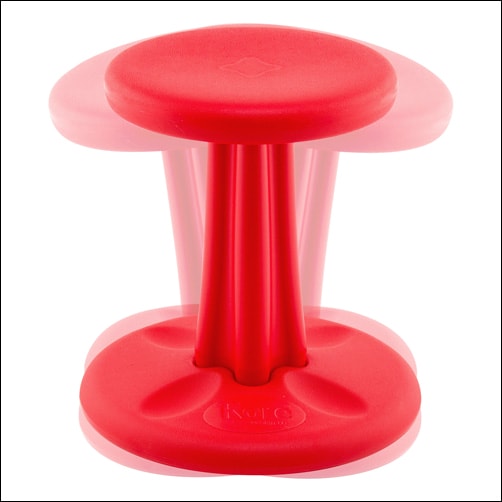
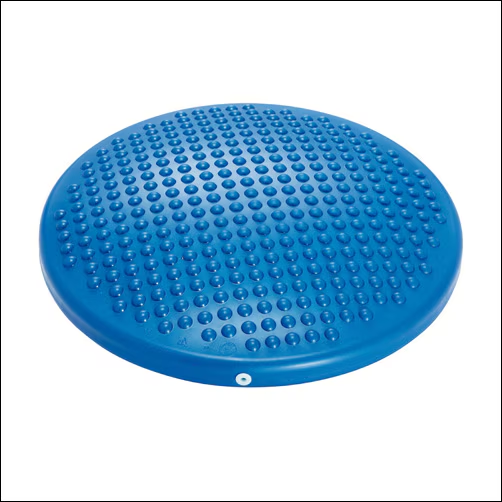
To make classrooms and home more conducive to learning, Jocelynn provided a number of useful recommendations with guidelines for calming and guidelines for alerting. She advocated for examining the child’s environment closely and the importance of trying out different environmental changes to determine their effectiveness. For example, simple seating adaptations can make a world of difference. Jocelynn shared her “Seating Options Data Collection” system to help determine what works and what does not work for a particular student.

Activities and apps for helping students improve executive function skills in areas of planning, organization, time management, task initiation, etc. were discussed. Several examples of useful apps she uses include: for self-regulation – Pocket Pond, Fireworks, Pot Smash – Zen; for sustained attention – Monster Hunt, SIMON – I Say Pro, Eye Frenzy; and for planning – Voice Thread, Sticky Notes, Doodle Buddy. Some materials she suggested for therapeutic motor breaks include: Bungee Jumper, Thera-band activities, Rapper Snappers, Safety Grip Scooter Board, Drive Thru Menus, and How Does Your Engine Run?, to name just a few!

Jocelynn is a skilled and generous presenter who is very knowledgeable, as evidenced by a rapt and engaged audience. She has developed practical strategies, activities, and data collection methods to improve self-regulation and executive function skills that are designed to ensure student school success.

Attendees provided extremely positive feedback about Jocelynn’s seminar:

“Jocelynn is a great presenter and shared information that is relevant to our daily OT sessions, along with how to support teachers and provide strategies for class use!” – Amy H., Occupational Therapist

“A lot of tools, examples, and resources provided. Love the apps shown during the seminar!” – Vanessa C., Occupational Therapy Grad Student

“Very informative. Lots of suggestions. A review and a new way to look at things. Got my brain thinking. Good presentation.” – Anonymous, Teacher

“It was very comprehensive! Loved it!” – Patricia O., COTA

“Thank you so much for sharing! Just so fantastic. Wonderful, inspiring; gave me realistic ideas to hit the ground running. Thank you. So excited to share this with teachers & staff I work with!” – Tara G., Occupational Therapist

Thank you, Jocelynn!

Filomena Connor, MS, OTR/L
September 15, 2018

Tools to Build Self-Regulation: Ready, Set, Learn! Seminar Recap

A captive audience representing a broad range of disciplines attended Therapro’s September Saturday Seminar featuring Lise Gerard Faulise, MS, OTR/L, BCP. Lise is the founder of Rehab New England, a private sensory integration-oriented practice in Rhode Island, and co-founder of the Wolf School in East Providence, Rhode Island, designed for K-8 children with learning differences. Her presentation, Ready, Set, Learn: Tools to Build Self Regulation, provided a clear view of how self regulation develops from in utero and beyond, how dysregulation might occur, and how treatment can affect function.

Lise’s discussion of foundational skills that impact somatosensory experiences of a child before, during, and after birth was comprehensive. She led us through the developmental process where sensory and motor development are intimately linked, and showed how they help develop cognitive skills efficiently from the “bottom up.” She referred to the “Pyramid of Learning,” developed by Occupational Therapists MarySue Williams and Sherry Shellenberger, authors of the Alert Program – How Does Your Engine Run?, which teaches children how to identify and change self regulation using the analogy of an engine.

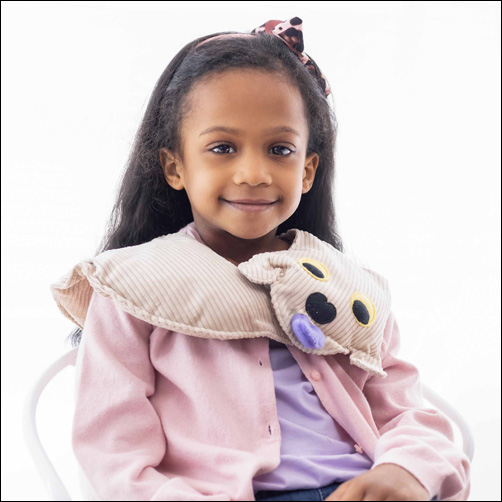
When there is a problem with self regulation, where the child either seeks or avoids sensory input, we may see behavioral changes in the child, which should raise red flags and further questions. Lise recommended the book, Is It Sensory or Is It Behavior? to help us examine if the behavior is intentional or whether it is a by-product. She suggested observing the timing of the behavior and whether it is limited to specific environments. For a child who experiences sensory modulation issues, Lise suggested providing the child with a large dose of sensory input activities so that behaviors don’t escalate and/or the child doesn’t feel threatened. For a child who experiences sensory overload, she suggested a quiet area or space at home and in the classroom that has things available that comfort the child, like a Cozy Caterpillar Sock, and comfortable clothing like Compression Clothing. She noted that oral or hand fidgets can help with self regulation as well. In addition, Lise identified somatosensory activities that involve deep tactile pressure, heavy work, rhythmical movement, music, breathing, and mindfulness as research-supported activities that are calming. Treatment materials to use may include scooter boardsDeluxe Peanut Balls, Rainy Day Playground: 2 in 1 Rotary Platform Swing, Heavy Work Bands, to name a few. When a child is self-regulated he/she is ready to tackle higher-level function.

We were engaged fully in Lise’s seminar and wanted to hear more as the two hours of her presentation evaporated. Her skills as a clinician, researcher, and lecturer in the area of sensory processing disorders were evident from her solid and inspiring presentation.

Attendees offered these positive remarks:

“What a pleasure! Great presenter and excellent information.” – Beth B., Occupational Therapist

“So much information that I can really use in my classroom. Clarified a lot! Could have been 2-3 classes!” – R. B., Teacher

“All educators should be equipped with tools to help children with self-regulation.” – Anonymous, Teacher

“Very informative and relatable to all disciplines.” – Amanda S., Behavior Analyst (ABA)

“Great seminar – loved the specific examples, backed by evidence-based practice.” – Marianne T., Occupational Therapist

Thank you, Lise!

Filomena Connor, MS, OTR/L
September 9, 2017