Tag Archives: classroom strategies

Classroom strategies encompass OT-informed approaches that support attention, posture, sensory needs, and motor skills to help students succeed academically and socially.

Back-to-School Readiness for Classrooms

Throughout the summer, we ensure that our children have all the supplies they need. We worry about their transitions from one grade to another, but as therapists and educators, are we back to school ready? I have created a small list of products that every special educator and therapist should have in their arsenal of education. Most of these items are small and easy to transport from classroom to classroom or school to school.

Here is a list of 15 items you need to start the year off right.

Educational Needs – The products below are perfect for the learning needs of all!

  1. Highlighter Strips are great for visual learners. An ideal tool for those with reading and visual processing difficulties. Brightens any written word. The plastic strips can be placed over any written material and used over and over again.
  2. NOVENOPs! is a hilarious game that teaches sentence structure! A card game for children of ages 6 and up. This game helps develop the player’s ability to understand the basic elements of grammar.
  3. Letter Treasure Hunt is a Pirate adventure with a handwriting twist! A board game with a handwriting component and the pirate theme makes it tons of fun.
  4. Trunks is a game where players move their bodies, make sounds and perform actions from memory!

Handwriting – Slant Boards, Paper & Grips, Oh My! Everything you need for working on handwriting skills, you will find here!

  1. Better Board Slant Boards are made for traveling (from home to school, class to class, etc.) and can easily be stacked and stored in a classroom.
  2. Raised Line Writing Paper is perfect for teaching line orientation, and cueing correct letter and word spacing. Graph spacing is also used for teaching numeracy and basic addition and subtraction.
  3. Pencil Grip Samplers let your students experiment and find their most comfortable writing tools.
  4. Highlighter Paper features a highlighted lower writing area and solid lines. Because the paper is visually simplified letters can be formed and spaced correctly.

Organization – An organized classroom helps with transitioning from class to class or task to task.

  1. Time Timers allow students to understand the passage of time so they can monitor their own activities. Better time awareness also relieves stress and anxiety.
  2. Seat Sacks are a great way for students to quickly gather supplies on a moment’s notice.
  3. Talk Bar is a customizable, versatile communicator that helps students visually display and describe a sequence of events.

Sensory Needs – Don’t forget about your students’ sensory needs; make sure you have all these sensational supplies in your classroom.

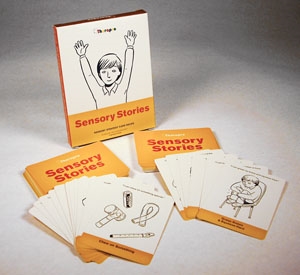
  1. Sensory Stories Cards are visual reminders of the various strategies that children can employ to cope with unpleasant sensations in daily life.
  2. Fidget Kit includes a group of the most popular fidgets.
  3. Seating Cushions help promote “active sitting”. Perfect for strengthening the muscles that support the spine and to use when sensory input is needed.
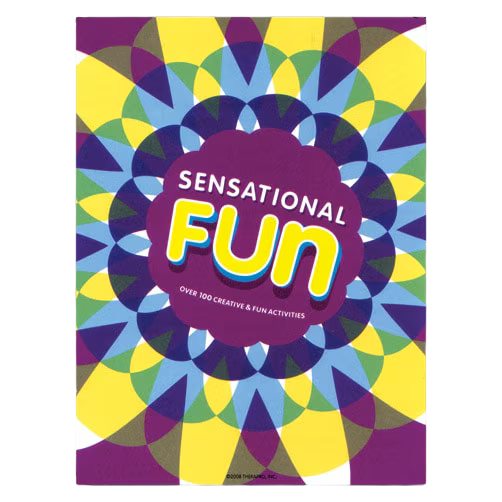
  4. Sensational Fun Cards have over 100 activities for parents and teachers who are looking for some great sensory games using common objects found in the home and school.
Guest Blogger: Diana V. Mendez-Hohmann BA, COTA

Praxis Disorders and Intervention Strategies: Seminar Recap

A new season of Therapro’s Saturday Seminar Series is off and running—and it started strong! On Saturday, August 23rd, Teresa May-Benson, ScD, OTR/L, an esteemed occupational therapist, educator, author, and researcher, presented an in-depth session titled “Praxis Disorders and Intervention.”

Dr. May-Benson currently serves as the Executive Director of the SPIRAL Foundation (Sensory Processing Institute for Research and Learning), a nonprofit dedicated to advancing knowledge in the field of sensory integration and praxis. Her presentation offered attendees a compelling and informative overview of this complex area of practice. The seminar felt like a “fall tune-up,” preparing therapists and educators to reengage with the foundational concepts of praxis just as the academic year gets underway.

During the seminar, Dr. May-Benson clearly and succinctly reviewed the primary components of praxis, describing it as a multifaceted process involving a sequence of sub-processes—each engaging various parts of the brain. She explained how praxis dysfunction impacts ideation, motor planning, sequencing, and execution, and emphasized the importance of identifying these breakdowns in order to provide effective intervention.

In addition to outlining clinical signs and observable behaviors associated with praxis challenges, she presented a toolbox of intervention strategies designed to be immediately applicable across home, school, and clinical environments. A major emphasis was placed on child-directed activity, which she identified as a critical component of successful intervention. According to Dr. May-Benson, when children are not invested in the therapeutic activity, the session loses meaning—and with it, motivation and therapeutic effectiveness. Her approach reinforced the importance of aligning goals and activities with a child’s interests to promote engagement and motor planning success.

The seminar drew a diverse group of attendees, including occupational therapists, educators, parents, and even a grandparent. The feedback was overwhelmingly positive. Participants appreciated the balance of theory and practical strategies, as well as Dr. May-Benson’s ability to make such a nuanced topic accessible and actionable.

Therapro was proud to host this outstanding presentation and extends its sincere thanks to Dr. May-Benson for sharing her time and expertise. Her passion for the field of occupational therapy and deep understanding of praxis intervention left a lasting impression on all in attendance.

Check out  these reviews:

“Very informative. A lot of information presented in thoughtful manner.”

“Good information and gave me a better understanding of praxis disorders”

“Information was broken down in a very clear & helpful way.”

“Great information – helpful to get fuller picture of components of praxis & great ideas for interventions.”

Thank you, Teresa!

Filomena Connor, MS, OTR/L

August 23, 2014

Bullying: Understanding the Basics

On May 17, 2014, Therapro concluded its Spring Saturday Seminar Series with a compelling presentation by Iris Leigh, CAGS, OTR/L, Assistant Clinical Professor at Boston University’s Sargent College of Health and Rehabilitation Sciences. Her seminar, titled “Bullying: Understanding the Basics,” offered valuable perspectives on identifying and addressing bullying behaviors in educational settings.​

Understanding the Basics: Defining Bullying and the Core Components

Iris Leigh began the session with an interactive anti-bullying quiz, sparking thoughtful discussion among attendees. She emphasized that bullying is a deliberate “power game” characterized by three key elements:​

  • Intent to Harm: The bully aims to cause physical or emotional distress.
  • Power Imbalance: The bully holds more power, whether physical, social, or psychological, over the victim.
  • Repetition: The harmful behavior occurs repeatedly over time.​

Such behaviors often manifest during unstructured school times, including lunch, recess, bathroom breaks, and bus rides.​

The Broader Impact of Bullying

A critical takeaway from the seminar was the recognition that bullying affects not only the direct victim but also bystanders and the overall school environment. Witnesses to bullying can experience feelings of fear, helplessness, and anxiety, highlighting the need for comprehensive prevention strategies.​

Strategies for Prevention and Support

Iris Leigh provided attendees with practical tools to support children who are targeted by or witness bullying behaviors. While understanding the basics of bullying is key, she stressed that preventing bullying is a collective responsibility, requiring active involvement from educators, therapists, professionals, and caregivers. Implementing clear policies, fostering open communication, and promoting inclusive activities are essential steps in creating a safe and supportive environment for all students.​

Attendees, including teachers and occupational therapists, praised the seminar for its practical strategies and insightful resources:​

“Very well put together – easy strategies.”

“Applies to work…and life.”

“Lots of good resource info – this lady knows her stuff!”​

For more information and resources related to this seminar, visit Therapro’s official website.

Filomena Connor, MS, OTR/L

May 17, 2014