Classroom strategies encompass OT-informed approaches that support attention, posture, sensory needs, and motor skills to help students succeed academically and socially.
Each year, National Therapeutic Recreation Week—celebrated during the second week of July—shines a spotlight on the vital role recreation plays in rehabilitation and wellness. This week is a time to celebrate and explore therapeutic recreation activity ideas that improve physical, cognitive, emotional, and social well-being across all ages and abilities. Whether you’re a therapist, educator, or parent, incorporating purposeful play into therapy sessions can make a lasting difference.
Why Therapeutic Recreation Matters
Therapeutic recreation combines leisure activities with therapeutic goals to enhance function and quality of life. For children and individuals with disabilities or developmental delays, recreation becomes a vehicle for skill-building, engagement, and self-expression. Using the right tools can transform everyday activities into therapeutic opportunities.
Top Therapro Products for Recreational Therapy
At Therapro, we offer a wide range of tools and materials that support meaningful recreational therapy. Here are three standout products to integrate into your practice this week and beyond:
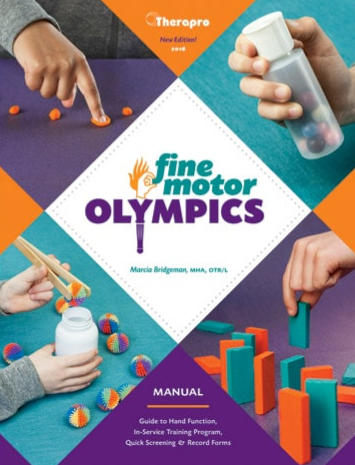
Developed by Marcia Bridgeman, MHA, OTR/L, this inclusive program equips OTs to train staff, parents, and volunteers in delivering structured fine motor support. Includes a manual, screening tools, record forms, and 64 full-color activity cards featuring hand function tasks.
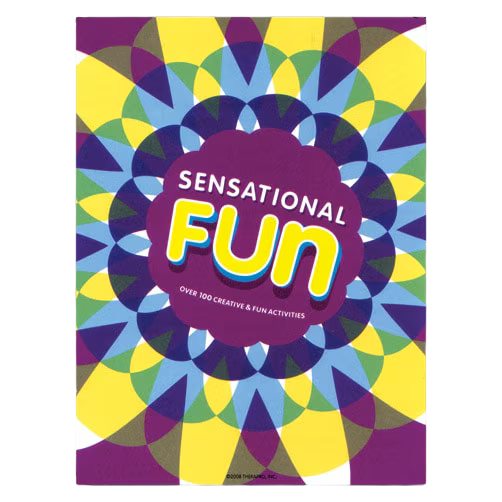
Packed with over 100 activities that incorporate movement, touch, and sound, this resource offers endless therapeutic recreation activity ideas to support children with sensory processing challenges.
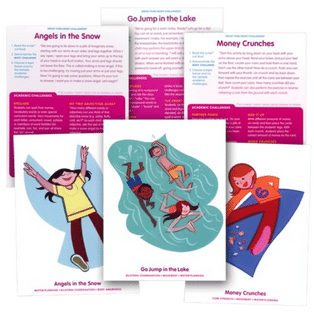
The Drive Thru Menus: Calming & Stress Busting Kit and Attention & Strength Kit offer therapist-designed, movement-based activities that promote self-regulation, focus, and physical readiness for learning. Each set features fun, structured exercises that support emotional regulation, motor control, and attention, making them ideal for classrooms, therapy sessions, or home use.
Recreational therapy doesn’t require elaborate equipment or large spaces. Many activities can be done in clinics, classrooms, or at home. The key is to pair intentional movement and play with therapeutic goals—such as improving executive function, fine motor precision, or sensory regulation. The above tools provide structure and flexibility to adapt activities based on individual needs.
Celebrate the Week, All Year Long
National Therapeutic Recreation Week is more than a celebration—it’s a reminder to embed joy and function into our daily therapeutic routines. By using resources that support creative, purposeful activity, therapists and caregivers can make therapy more meaningful and effective.
In today’s dynamic classrooms and therapy settings, keeping students engaged and focused can be a challenge—especially for those who struggle with sitting still. But what if seating could encourage movement while enhancing concentration? That’s the power of dynamic seating for learning. Alternative seating solutions like the Kore Wobble Chair, Wiggle Wobble Chair Feet by Bouncyband, and The AlertSeat allow children to stay active while working at standard desks or tables, promoting better posture, focus, and core strength. For floor-based learning, options such as floor cushions and Howda Designz Chairs provide comfortable, flexible seating that supports sensory needs and active learning. At Therapro, we believe that active seating isn’t just a trend—it’s a proven strategy for enhancing learning, movement, and overall well-being.
What is Dynamic Seating?
Dynamic seating refers to chairs or seating solutions that allow for some degree of movement. Unlike traditional chairs, these seats encourage slight movements that help improve focus and engage muscles in the body, especially in the core and trunk. This kind of seating is ideal for students or individuals who struggle with staying seated for long periods but still need to focus on tasks like reading, writing, or listening.
Some examples of dynamic seating for learning include:
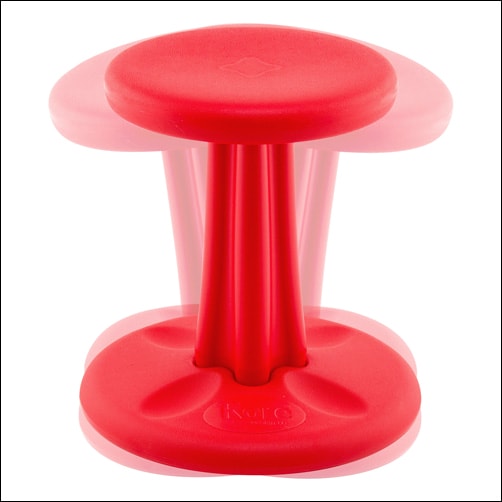
Kore Wobble Chairs: These chairs feature a rounded base that allows children to rock, tilt, or swivel while seated. They are perfect for classrooms and therapy settings where movement is essential for focus and engagement.
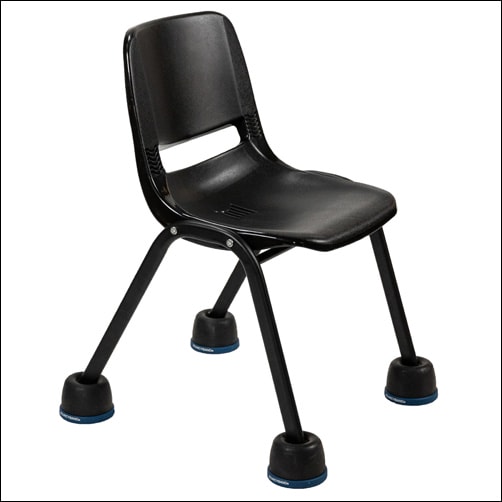
Wiggle Wobble Chair Feet by Bouncyband: These simple, rubber feet can be attached to most standard chairs, transforming them into dynamic, wobble seating. They are an excellent solution for classrooms or home offices.
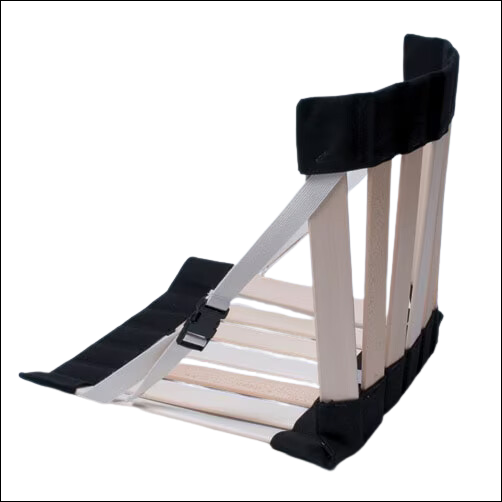
The Howda Designz Chairs: Designed for floor-based learning, Howda Hug Design Chairs offer flexible, supportive seating that promotes core engagement, posture, and sensory input. Their lightweight, adjustable design allows for gentle rocking, helping improve focus and self-regulation in classrooms, therapy sessions, and home learning spaces.
How Does Dynamic Seating Help?
Improved Focus and Engagement:
For many children, especially those with ADHD, sitting still for long periods can be a struggle. Dynamic seating offers an outlet for excess energy, helping them stay focused on tasks without feeling restless. By allowing movement, these chairs help children channel their energy into productive ways, which leads to improved engagement in learning.
Better Posture and Core Strength:
Sitting on wobble seating, therapy balls, or using floor cushions helps engage the core muscles, which can lead to better posture over time. For kids who have trouble sitting upright in traditional chairs, this added stability from active seating encourages proper alignment and muscle engagement, promoting overall physical health.
Sensory Integration and Regulation:
For children with sensory processing challenges, dynamic seating can help self-regulate. Movement allows for sensory input, which can calm or energize a child, depending on their needs. It offers them a way to manage sensory overload while remaining engaged with their environment.
Ideal Use Cases for Dynamic Seating:
In Classrooms:
Dynamic seating can benefit students with attention challenges, sensory needs, or those who require additional support to remain focused during lessons or independent work. Products like the Pre-Teen Kore Wobble Chair and Wiggle Wobble Chair Feet can be used in classrooms to promote active engagement.
In Therapy Sessions:
Therapists use dynamic seating to help children improve their motor skills, posture, and sensory integration. It’s an effective tool for occupational therapy and other therapies that target movement and coordination. The AlertSeat is a great option for therapists looking to provide a subtle yet effective seating solution.
At Home:
Parents can incorporate dynamic seating in their home learning environments. This allows kids to stay engaged during homework or study time while benefiting from the added movement.
Dynamic seating is a game-changer for those looking to improve focus, posture, and movement during learning activities. Whether in the classroom, therapy setting, or at home, active seating solutions provide the perfect balance of support and movement to enhance learning and physical well-being.
Explore our full range of Sitting and Moving seating solutions at Therapro and discover the perfect chair to support your active learners. Shop now!
In today’s fast-paced world, having a calming retreat is essential for individuals who may experience sensory overload, including children and adults with autism, ADHD, sensory processing challenges, or anxiety. Sensory spaces provide these much-needed areas of refuge, offering tools to regulate emotions, improve focus, and promote overall wellbeing. Whether you’re a therapist designing a clinic, an educator enhancing a classroom, or a parent creating a calming corner at home, sensory spaces can make a significant difference.
What is a Sensory Space?
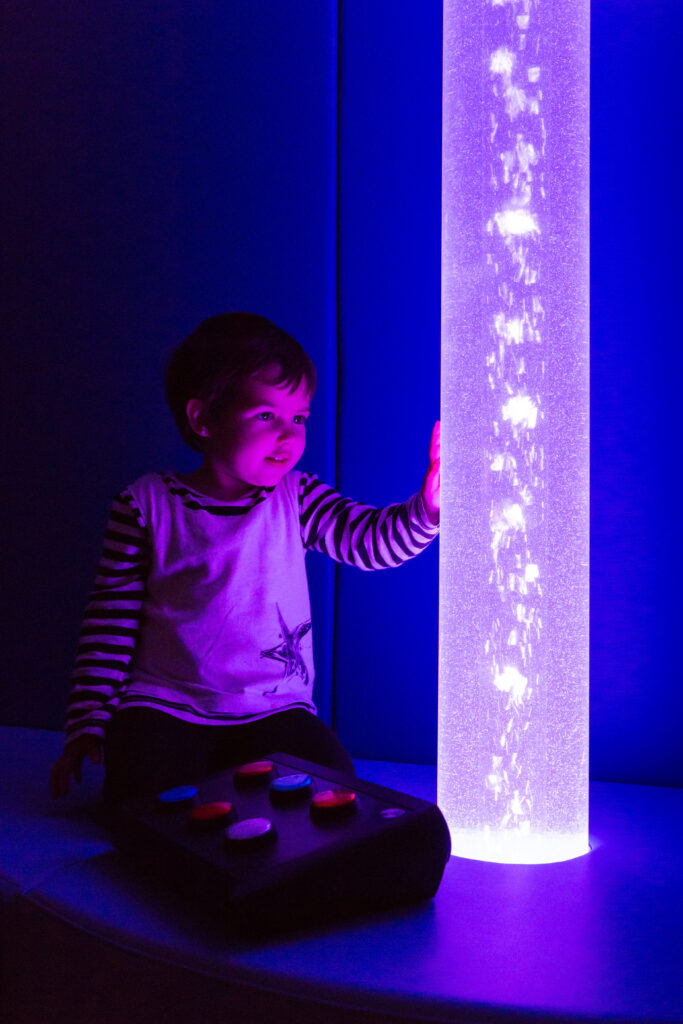
A sensory space is a carefully designed environment that provides sensory input to help individuals regulate their emotions, behaviors, and sensory processing needs. These spaces are often used to support children and adults with sensory processing challenges, such as those with autism, ADHD, or sensory integration disorders. Sensory spaces can include calming elements like soft lighting, weighted blankets, and gentle music, as well as stimulating features such as textured surfaces, bubble tubes, and interactive activities. The goal is to create a balanced setting that promotes relaxation, focus, or engagement, depending on the individual’s needs.
The Importance of Sensory Spaces
Sensory spaces are vital for individuals with sensory processing challenges as they provide a safe, controlled environment to meet unique sensory needs. These spaces are essential for promoting emotional regulation, reducing anxiety, and fostering focus and engagement. These spaces are more than just calming zones—they empower individuals by offering opportunities to explore sensory experiences in a controlled, therapeutic manner. Whether it’s the soothing glow of a bubble tube or the tactile engagement of sensory-rich objects, these elements foster relaxation, learning, and emotional balance. By offering a mix of calming and stimulating elements, sensory spaces empower individuals to better navigate their environments, enhance self-awareness, and build skills for independence. For children in therapeutic, educational, or home settings, these spaces are a critical tool for supporting holistic development and well-being.
Therapro’s Plug-and-Play Sensory Solutions
At Therapro, we understand the importance of accessible sensory solutions. Creating a sensory space doesn’t have to involve extensive renovations or large areas. Products like the Luminea Corner,SENcastle All-In-One Sensory Room, and Luminea Bubble Tube Kits offer practical, ready-to-use options for therapists, educators, and parents.
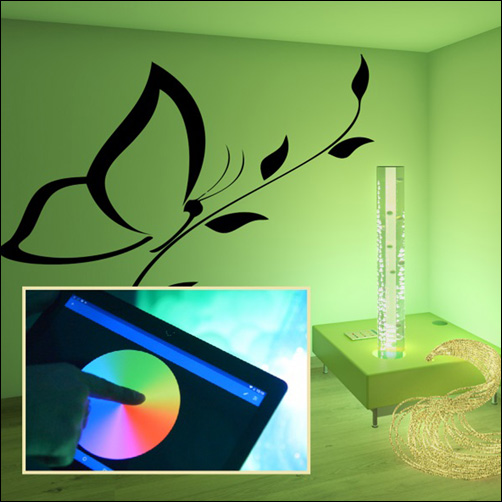
Luminea Corner: This innovative solution combines sensory integration with skill development through its compatibility with the Luminea app. The app enables dynamic interaction with the bubble tube and fiber optic lights, offering a customizable light display that can be used to work on fine motor skills, visual perception, and speech goals. This dual-purpose setup not only creates a calming sensory retreat but also transforms the space into an engaging therapeutic tool tailored to individual developmental needs.
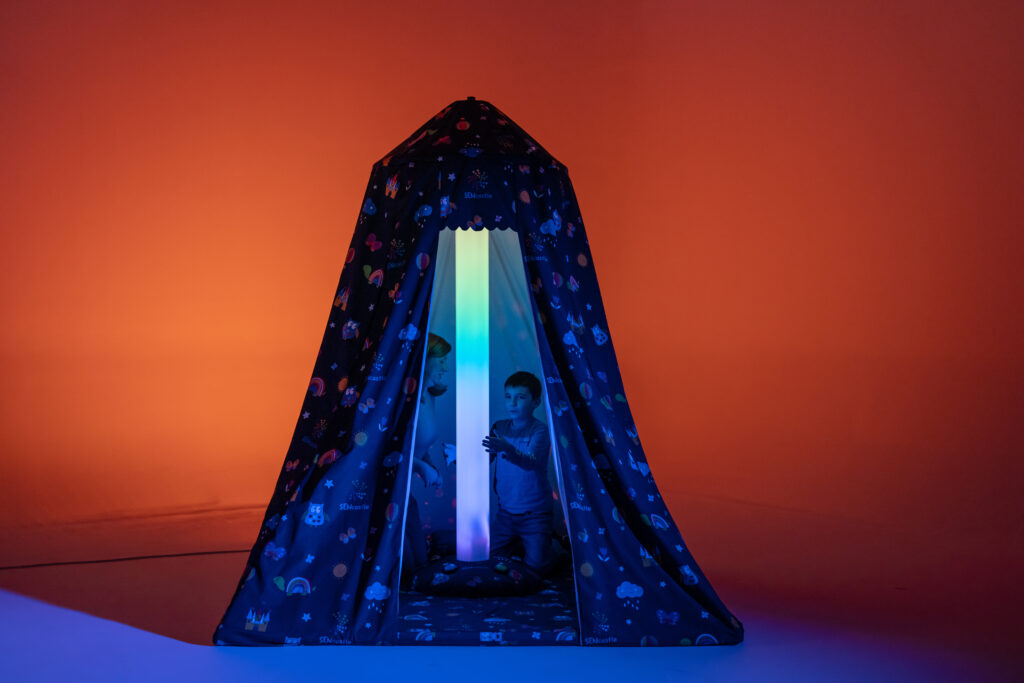
The SENcastle: Perfect for small spaces or as a cozy corner within a larger sensory room, the SENcastle All-In-One Sensory Room provides everything needed to create a calming and engaging environment for self-regulation and relaxation. Its centerpiece, a captivating light column, integrates visual and auditory elements to stimulate multiple senses. Additionally, the SENcastle includes weighted, vibrating, and tactile pillows that target the tactile, auditory, proprioceptive, and visual senses, making it a compact yet comprehensive solution for sensory integration and therapeutic support.
Luminea Bubble Tube Kits: These versatile kits are designed to adapt to a variety of spaces, with three distinct base options that cater to different sensory and therapeutic needs. The simple protector module provides a sleek, minimalist design that safeguards the electronics while maintaining easy access. The square base offers a sturdy seating area, allowing users to sit comfortably and view the bubble tube from multiple angles, ideal for group or one-on-one sessions. The corner base is perfect for maximizing space efficiency, enabling users to interact with the bubble tube from a seated or floor-level position while enjoying a cozy, immersive experience. Each of these options ensures that the bubble tube is both functional and accessible, providing visual stimulation to support sensory integration and therapeutic goals.
Tips for Designing Your Sensory Space
Adapt to Your Space: With Therapro’s modular options, even small spaces can become sensory havens.
Prioritize Accessibility: Ensure the sensory tools are easy to access and interact with for users of all abilities.
Maximize Comfort: Incorporate soft seating, cushions, or mats to create a welcoming environment.
Incorporate Multi-Sensory Elements: Combine visual, tactile, and auditory stimuli for a holistic sensory experience.
Make the Most of Your Space with Therapro
At Therapro, we understand the challenges of designing sensory spaces. That’s why our solutions are thoughtfully designed to be effective, user-friendly, and adaptable. Whether you’re a professional or a parent, our sensory tools provide the perfect foundation for creating spaces that enhance well-being and promote regulation.
Explore the Luminea Corner, SENcastle, and Luminea Bubble Tube Kit to get started on your sensory space journey. Together, we can create environments where individuals feel calm, supported, and ready to thrive.