Tag Archives: saturday seminar recaps

Saturday Seminar Recaps provide concise summaries and key insights from Therapro’s Saturday Sreminar professional development sessions designed for therapists, educators, and caregivers at Therapro’s headquarters in Framingham, MA. This tag offers practical takeaways and resources from each seminar to support ongoing learning.

Tools to Build Self-Regulation: Ready, Set, Learn! Seminar Recap

A captive audience representing a broad range of disciplines attended Therapro’s September Saturday Seminar featuring Lise Gerard Faulise, MS, OTR/L, BCP. Lise is the founder of Rehab New England, a private sensory integration-oriented practice in Rhode Island, and co-founder of the Wolf School in East Providence, Rhode Island, designed for K-8 children with learning differences. Her presentation, Ready, Set, Learn: Tools to Build Self Regulation, provided a clear view of how self regulation develops from in utero and beyond, how dysregulation might occur, and how treatment can affect function.

Lise’s discussion of foundational skills that impact somatosensory experiences of a child before, during, and after birth was comprehensive. She led us through the developmental process where sensory and motor development are intimately linked, and showed how they help develop cognitive skills efficiently from the “bottom up.” She referred to the “Pyramid of Learning,” developed by Occupational Therapists MarySue Williams and Sherry Shellenberger, authors of the Alert Program – How Does Your Engine Run?, which teaches children how to identify and change self regulation using the analogy of an engine.

When there is a problem with self regulation, where the child either seeks or avoids sensory input, we may see behavioral changes in the child, which should raise red flags and further questions. Lise recommended the book, Is It Sensory or Is It Behavior? to help us examine if the behavior is intentional or whether it is a by-product. She suggested observing the timing of the behavior and whether it is limited to specific environments. For a child who experiences sensory modulation issues, Lise suggested providing the child with a large dose of sensory input activities so that behaviors don’t escalate and/or the child doesn’t feel threatened. For a child who experiences sensory overload, she suggested a quiet area or space at home and in the classroom that has things available that comfort the child, like a Cozy Caterpillar Sock, and comfortable clothing like Compression Clothing. She noted that oral or hand fidgets can help with self regulation as well. In addition, Lise identified somatosensory activities that involve deep tactile pressure, heavy work, rhythmical movement, music, breathing, and mindfulness as research-supported activities that are calming. Treatment materials to use may include scooter boardsDeluxe Peanut Balls, Rainy Day Playground: 2 in 1 Rotary Platform Swing, Heavy Work Bands, to name a few. When a child is self-regulated he/she is ready to tackle higher-level function.

We were engaged fully in Lise’s seminar and wanted to hear more as the two hours of her presentation evaporated. Her skills as a clinician, researcher, and lecturer in the area of sensory processing disorders were evident from her solid and inspiring presentation.

Attendees offered these positive remarks:

“What a pleasure! Great presenter and excellent information.” – Beth B., Occupational Therapist

“So much information that I can really use in my classroom. Clarified a lot! Could have been 2-3 classes!” – R. B., Teacher

“All educators should be equipped with tools to help children with self-regulation.” – Anonymous, Teacher

“Very informative and relatable to all disciplines.” – Amanda S., Behavior Analyst (ABA)

“Great seminar – loved the specific examples, backed by evidence-based practice.” – Marianne T., Occupational Therapist

Thank you, Lise!

Filomena Connor, MS, OTR/L
September 9, 2017
Weighted Blankets and More: Recap

Kristi Langslet, OTR/L ended the 2017 Spring Saturday Seminar Series with her enlightening presentation: Weighted Blankets and More for Use in Your Sensory Room or Sensory Carts! She discussed benefits and applications of weighted, compression and fidget products in Sensory Rooms and Sensory Carts.

General confusion and misconceptions abound regarding the use of therapeutic weighted materials, which Kristi dispelled with her seminar. She is an experienced therapist, having worked in a variety of primarily pediatric settings. Kristi began designing and making products for her clients to meet specific needs related to sensory processing. With her sister, Heidi, she developed and launched her therapeutic products company Sommerfly, in 2005, with the goal of “Calm, Sleep and Focus for All.”

Kristi’s review of research findings regarding sensory rooms and weighted blankets was thorough. The research reviewed came primarily from studies in adult psychiatric settings, but was still applicable to broader settings and age groups. Sensory rooms have been validated as safe, effective, anxiety and distress reducers, with weighted blankets being particularly useful for decreasing anxiety. She emphasized the recommendation for the best way to use a weighted blanket is for the child to apply it on himself/herself. Research cited from Tina Champagne, MEd, OTR/L indicates that weighted blankets should weigh more than 10% of the wearer’s body weight to be most effective – with 15-25% of a person’s weight as the guideline for use. She cited studies that indicate the rise in pediatric admissions for behavioral health problems. This fact points to the need for treatment strategies that are accessible, powerful, sensory-based, and research supported.

Sensory rooms are defined as a voluntary, self-managed place to decrease stress; they empower people to care for themselves. In these rooms you might find a Sit Tight Weighted Lap Pad,  a Relaxer Blanket,  and a variety of other calming sensory materials such as a white noise machine, lava lamp, chewing gum,exercise bandsyoga position cardsnoise cancelling headphones, etc., depending on the child’s age and needs. Kristi referred to Karen Moore’s Sensory Connection books as a having a wealth of information for developing sensory rooms and carts.

In her discussion of compression garments and muscle work, Kristi reminded us that compression garments have a similar effect as deep pressure applied to the skin and heavy work on joints/muscles. Both compression garments and weighted products provide similar touch pressure sensation, with a rapid response time, but heavy muscle work response time varies. The guideline for weighted vests provided was 3-5% of the wearer’s weight is optimal with wearing times of between 15-30 minutes at a time throughout the day; accommodation occurs with longer wearing times.

Kristi reported that since the hands and mouth have a high density of touch and proprioceptive receptors, the perception of sensation in these areas is greater than in other body areas. This may explain why we naturally fidget with hands and mouth with activities like nail biting, smoking, doodling, hair twirling, etc. Hand fidget research evidence shows that distraction reduced anxiety and pain after surgery. She advocated the use of a fidget as a “tool” versus a “toy” with examples like a Wristful Fidget or a Fidgety.

In our stress-filled society, the popularity and use of mindfulness techniques has alerted us to the value of being calm and centered. Sensory strategies we employ personally give us a sense of well being and regulation. Kristi asked us to imagine what effect they might have on a child who is “at risk.” As occupational therapists, we understand the value of and can use self-regulation practices to help people function optimally. After Kristi’s presentation, we understood the application of weighted products and fidgets more thoroughly, particularly with the pertinent research cited by her. When caregivers are given tools designed to help with self-regulation, coupled with other cognitive-behavioral strategies, we can look forward to seeing the effects with our students/patients as they reengage in life occupations.

Take a look at some of the glowing comments attendees provided:

“Great to have research to back up findings. Simple facts and Ideas to pass on to school colleagues and administration.” – Fredda T., Occupational Therapist

“I tend to be relatively skeptical about these issues, but I found Kristi extremely knowledgeable and approachable, and her presentation very informative. Lots to think about!” – Maura K., Teacher

“I liked the trauma informed approach, evidence based and practical suggestions. Really appreciated the update on weight guidelines.” – Kim B., Occupational Therapist

“Great intro course for new therapist and/or parents, teachers, related fields. Most useful for experienced OTs was the research/weight & wearing prescription/demo of products. Organized, straightforward presenter. Warm, open, compassionate, available for questions and pertinent case studies. Thank you!!” – Bernadette W., Occupational Therapist

“Great answers to questions, great products, great suggestions. I like the non toy look for fidgets.” – Anonymous, Occupational Therapist

Thank you, Kristi!

Filomena Connor, MS, OTR/L
May 6, 2017

An Introduction to Yoga and Mindfulness in the Classroom

Meg Durkin, MS, E-RYT, RCYT

The energy at Therapro Headquarters was palpable on Saturday, April 8, in anticipation of Meg Durkin, MS, E-RYT, RCYT’s seminar: An Introduction to Yoga and Mindfulness in the Classroom: Tools to Improve Self-Regulation, Learning, and Classroom Climate. A totally different feeling in the room was achieved after Meg led a group experience of several yoga and mindfulness exercises in a sample “Morning Meeting Sequence” that included: Chime Listening/Pass the Chime which helped focus attention in the moment; Mountain, Washing Machine, King Dancer, and Imagination Vacation.

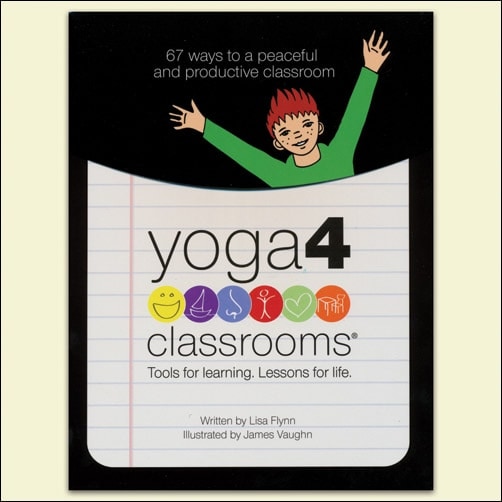
Yoga 4 Classrooms

Meg is a licensed Yoga 4 Classrooms instructor, ChildLight Yoga Trainer, and founder of Yoga Magic 4 Kids. She is a registered adult and child yoga teacher through Yoga Alliance. She teaches workshops to elementary school teachers about integrating yoga into the classroom. Her skills include mindful breathing, standing yoga poses, seated yoga poses at the desk, imagination vacations, be well topics, and mindful games. She has trained in Brain Gym and yoga for children with special needs.

According to Meg, increasing numbers of students lack the critical life skills of self-regulation, impulse control and focus that negatively affect their behavior, ability to learn and overall well being. In her seminar, she demonstrated how students can learn these skills. In her practice, she utilizes yoga and mindfulness techniques especially designed for the classroom that are convenient, effective and fun. Integrating yoga movement, breathing and mindfulness can be used in a variety of ways.  They can be used as an activity in and of themselves, and/or integrated in the typical class day, throughout the day. For example, she suggested that students could put their heads on their desks as they listen to Mindful Meditations read to them. The result is a positive, peaceful, and productive classroom climate for all students who are then in a better “learning-ready state.” Specifically in the Yoga for Classrooms curriculum, the focus is on providing a simple, accessible, sustainable whole child health and wellness program that includes 67 yoga and mindfulness based activities specifically designed for the “space and time-crunched classroom.”

We appreciated Meg citing research to support the use of yoga and mindfulness in the classroom setting. An interesting pilot study she discussed in which Yoga for Classrooms was used with 2nd and 3rd grade students was conducted by an Exercise Physiology Department and measured salivary cortisol levels, performance on an attention network test, and teacher surveys.  Overall results in perceived improvement occurred in a broad number of areas including social interaction, attention span, ability to stay on task, ability to deal with stress/anxiety, etc.

The classroom is a busy, bustling environment.  Meg taught us that taking “yoga breaks” is an effective way to refocus students and the energy in the classroom. Meg’s skill as a yoga instructor was apparent to all of us today who left with a more calm, focused energy to tackle the rest of our weekend.

Here are some comments from attendees:

“It’s very practical in today’s fast paced world – I have integrated both breath work and yoga asanas into my classroom and have seen the improvement in my students.” Kristine P., Teacher

“I learned great activities to help my students to focus and concentrate.” Anonymous, SLP

“Interesting. I like the positive attitude and incremental approach offered; not a ‘do it all or nothing’ message.” Maura, Teacher

“Great way to get additional ideas to incorporate into OT sessions (groups & classroom). Definitely could see incorporating “count down to calm” & “imagination vacation” into sessions that typically only include Zones of Regulation. I like the emphasis on movement at accessible level.”  Meredith, Occupational Therapist

Thank you, Meg!

Filomena Connor, MS, OTR/L