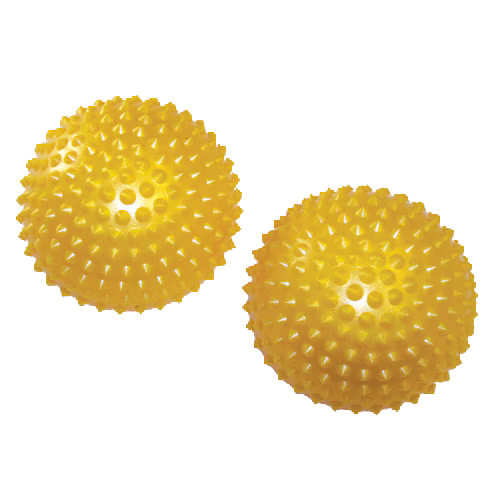
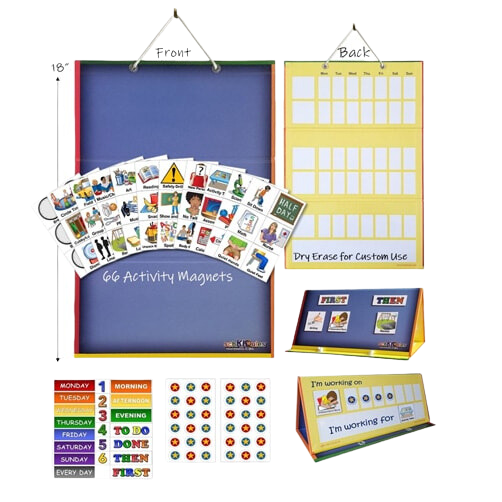
Sensory strategies are techniques used to help children manage responses to sensory input, such as sounds, textures, or movement. These strategies support self-regulation, attention, and participation in learning environments. They are essential for helping children stay calm, focused, and engaged throughout the day.
Summer is a great time for play, but for children with developmental, sensory, or motor challenges, it can also present a risk of skill regression or sensory dysregulation due to changes in routine. This guide provides parents, caregivers, and professionals with easy-to-implement summer sensory activities using Therapro’s therapeutic tools—perfect for home use.
1. Bubbles: Oral Motor Play for Regulation and Focus
Why It Works: Blowing bubbles provides controlled oral motor input, which supports breath control, self-regulation, and speech development. According to Williams & Shellenberger (1996), oral motor activities help modulate arousal levels and improve focus.
Activity Idea: Create a “Bubble Pathway” where children walk a zigzag or hopscotch path while blowing bubbles. Add simple motor tasks to combine movement with breathwork.
2. Movement & Coordination: Full-Body Sensory Input
Why It Works:Balance boards, scooter boards, and wobble cushions provide vestibular and proprioceptive input. These are essential for organizing the nervous system and supporting sustained attention.
Activity Idea: Design a simple obstacle course with a balance board, bean bags, and a scooter board. Use it for morning movement breaks or pre-dinner wind-down time.
Why It Works: Tactile games and sensory bins offer soothing sensory input and promote calm alertness. Use them during transitions or when screen time ends to re-engage your child.
Activity Idea: Fill a bin with textured items and add task cards or sorting games. Try playing a matching game with tactile elements to enhance fine motor skills.
Make Summer Count Therapro’s at-home therapy tools are designed to be easy, effective, and fun. With consistent use, these summer sensory activities can help prevent skill loss, improve sensory regulation, and support ongoing development through the summer months.
Explore More: Visit Therapro.com for more summer sensory tools, games, and resources.
As the school year winds down, therapists play a vital role in helping students transition smoothly while supporting carryover of skills during the summer. The end of the academic year isn’t just about closing cases—it’s a strategic time to restock, refocus, and empower families with tools to maintain progress. Below are smart tips for year-end success to focus on as you wrap up your school-based therapy services.
Smart Tip #1: Reflect, Reorganize, and Reset
Use the final weeks of school to reflect on what worked, what didn’t, and what needs restocking. This is the ideal time to refresh your therapy materials and take inventory of frequently used supplies.
Top Items to Restock Before Summer:
Pencil Grips – Essential tools for grasp development and writing support. Stock up here: Pencil Grips at Therapro
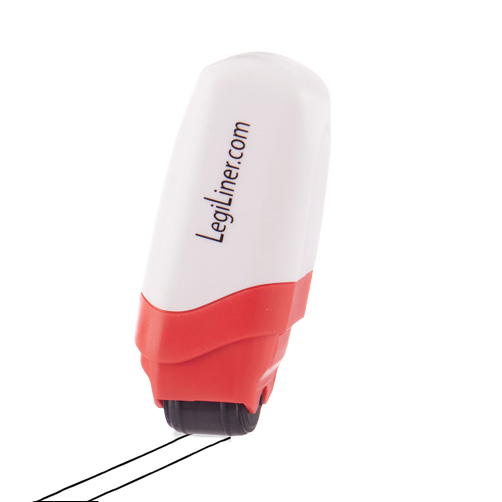
Ink Refills for LegiLiners – Don’t start next year with dry rollers: Ink for LegiLiners
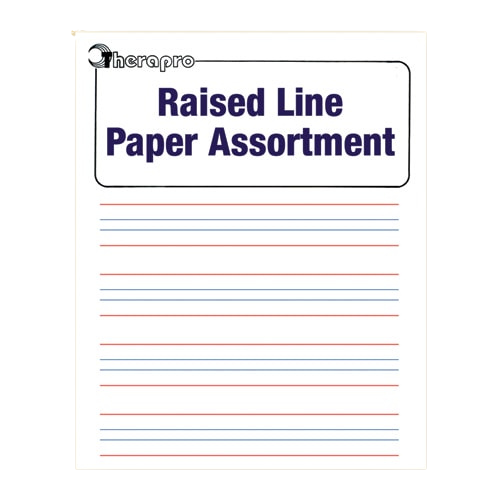
Raised Line & Highlighter Paper – Great for visual and tactile feedback: Explore Paper Options
This is also a great time to tidy your space, digitize records, and prep templates so you can start strong in the fall.
Smart Tip #2: Prepare Students for Smooth Transitions
Transitions can be especially challenging for students with developmental, sensory, or executive functioning differences. Help families support consistency and reduce stress at home by sending home visuals and tools to keep routines familiar.
Sensational Fun – A helpful resource packed with sensory-based activities to keep kids regulated and engaged at home.
You can also send home personalized routine charts, task analyses, or social stories to reinforce carryover.
Smart Tip #3: Send Home a Summer Skill Maintenance Checklist
Instead of assembling and sending home summer kits (which may not be practical for every therapist), consider offering families a simple, printable guide packed with low-cost, everyday ideas. The Ready, Set, Summer! Home Activity Guide helps caregivers turn ordinary household items into meaningful skill-building moments.
Encourage families to weave therapy into daily routines and play—because supporting development doesn’t have to mean structured lessons or expensive materials!
What’s Inside the Guide:
🧺 Easy-to-find tools like clothespins, Tupperware, and sidewalk chalk
🛋️ DIY obstacle course ideas using furniture and masking tape
✂️ Fun ways to practice cutting, strengthening, and fine motor skills
🧠 Everyday activities turned into therapy moments (like sorting laundry!)
You know how hectic back-to-school season can be—so set up “future you” for success now. Clean and label bins, prep materials you’ll need in the first few weeks, and store go-to activities where they’re easy to find.
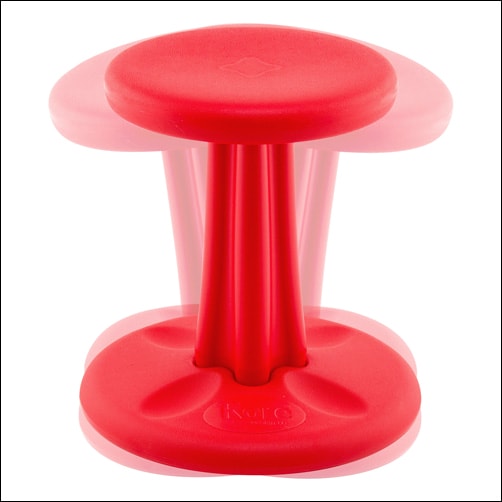
Need to upgrade your setup? Check out our Tools for Therapists, including Office Plus Everyday Wobble Chair and fidgets to promote better posture and productivity.
Smart Tip #5: Don’t Forget You
The end of the school year is a time to celebrate your hard work and impact. Make space for rest and recharge this summer. Whether you’re attending professional development, diving into a new book, or simply taking a break, your well-being is vital.
Final Thought: The end of the school year is a moment to celebrate progress—and set students up for success. With a bit of planning and the right tools, therapists can empower families to keep the momentum going all summer long.
Wrap-Up with Confidence
As you wrap up this school year, know that the small steps you take now can ease transitions, prevent skill loss, and give both students and therapists a strong start for the fall. From summer activity ideas to transition tools and therapy essentials, Therapro is here to support you every step of the way.
👉 Explore all of these tools and more at Therapro.com!
Occupational therapy (OT) plays a vital role in promoting a healthy lifestyle by supporting physical, mental, and emotional well-being. From physical activity and sensory regulation to healthy eating habits and stress management, OTs empower individuals to build routines that enhance their overall health.
This Occupational Therapy Month, let’s explore key strategies OTs use to promote healthy lifestyles and share resources to support therapists in their work.
1. Promoting Healthy Lifestyles with Physical Activity & Movement 🚶♂️💪
Regular movement is essential for strength, coordination, balance, and overall well-being. Occupational therapists encourage fun, engaging activities that promote motor skills and physical fitness in both children and adults.
Therapro’s Top Picks for Movement & Mobility:
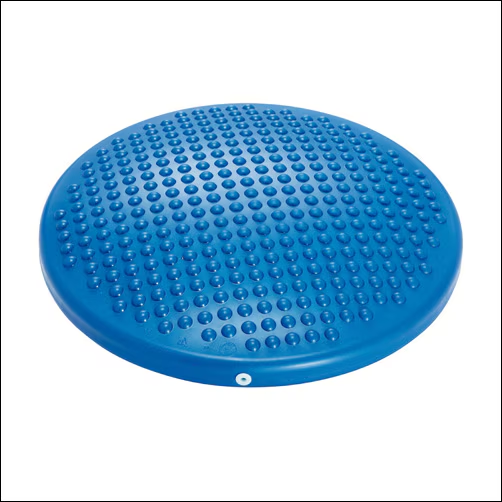
🔹 Wobble Chairs & Stability Discs – Great for improving core strength and active sitting in classrooms and therapy sessions. 🔹Balance Boards & Stepping Stones– Help with coordination, balance, and motor planning while keeping movement engaging. 🔹 Therapy Balls – Ideal for vestibular input and postural control exercises. 🔹Resistance Bands – Fun ways to develop upper body strength, endurance, and proprioceptive input.
💡 Therapist Tip: Incorporate movement breaks throughout the day to help children and adults maintain focus, regulate energy levels, and reduce stress.
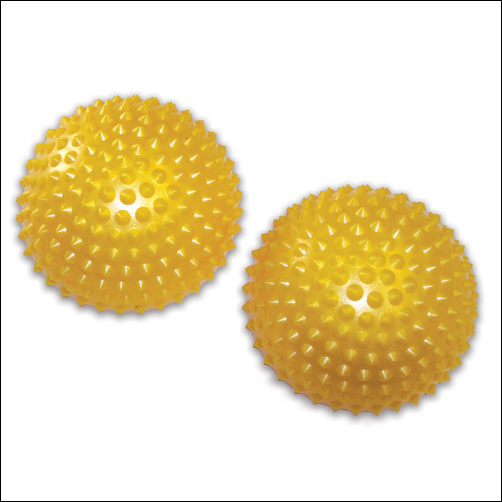
Balance Pods Kore Kids Wobble ChairGymnic Disc ‘O’ Sit
2. Promoting Healthy Lifestyles with Sensory Regulation & Mindfulness 🧘♀️
Managing sensory input and practicing mindfulness are essential for reducing stress and supporting mental well-being. OTs use sensory-friendly activities to help individuals stay calm, focused, and self-regulated throughout the day.
💡 Therapist Tip: Create a sensory toolkit for home, school, or therapy sessions, including fidgets, weighted tools, and calming visuals to support self-regulation throughout the day.
Nutrition and self-care routines are essential parts of a balanced lifestyle. OTs help individuals with feeding challenges, adaptive utensils, and personal care skills to promote independence in daily routines.
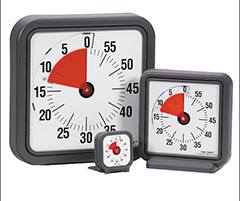
💡 Therapist Tip: Encourage families to set up predictable daily routines using visual schedules, timers, andadaptive tools to promote independence and reduce stress.
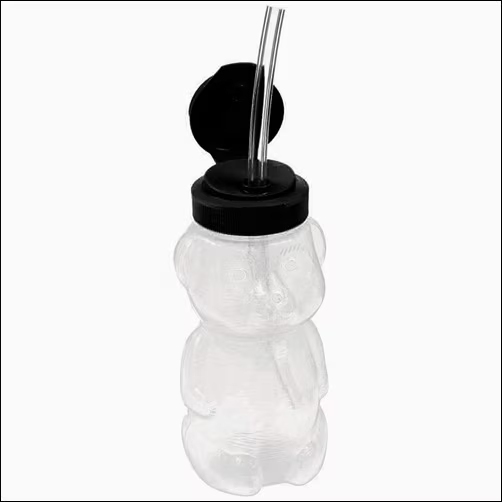
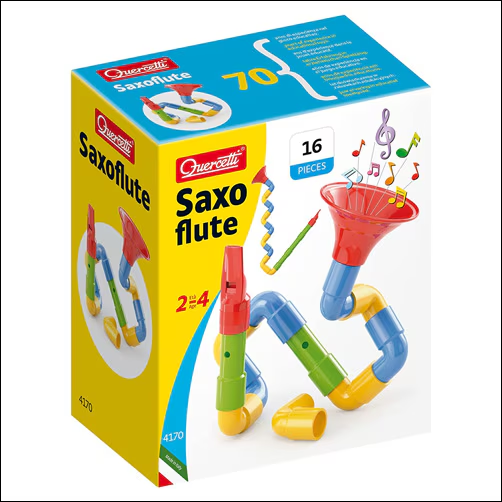
Time TimerTheraBear Drinking CupSaxoflute
4. Promoting Healthy Lifestyles with Social Participation & Mental Health 🤝💬
A healthy lifestyle includes building meaningful relationships, developing social-emotional skills, and managing emotions effectively. OTs support clients in fostering social communication, emotional regulation, and self-awareness to promote overall well-being.
Therapro’s Top Picks for Social-Emotional Learning (SEL):