Category Archives: Clinic & Hospital-Based Practice

Access clinical and hospital therapy tools, evaluations, and treatment resources designed for professionals delivering services in outpatient clinics, acute care, or hospital-based rehabilitation settings. Support medical stability, recovery, and skill-building with evidence-based practices.

Supporting Youth Mental Health in Therapy Settings

Youth mental health support is no longer optional—it is essential. Across schools, clinics, and community settings, professionals are seeing increased rates of anxiety, emotional dysregulation, trauma responses, and behavioral challenges. For clinicians working in children’s mental health, the need for practical, evidence-informed tools that bridge assessment and intervention has never been greater.

Understanding the Root of Behavior
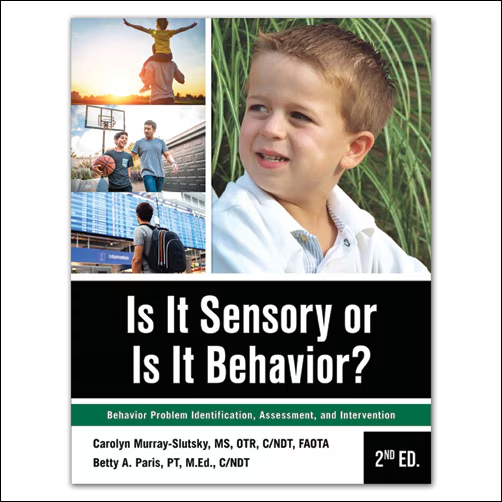
 Is It Sensory or Behavior

One of the most persistent challenges in pediatric mental health is distinguishing between behavior and underlying sensory or emotional needs. Resources like Is It Sensory or Behavior help clinicians and educators make this critical distinction. By reframing behaviors through a sensory-informed lens, professionals can shift from reactive strategies to proactive, supportive interventions that align with a child’s nervous system needs.

Integrating Sensory and Emotional Regulation

Sensory processing plays a foundational role in emotional regulation. Programs such as Just Right! A Sensory Modulation Curriculum® provide structured, practical strategies for helping children achieve optimal arousal states for learning and participation. This type of curriculum empowers therapists to design individualized interventions that directly support youth mental health support in both clinical and educational environments.

Similarly, The Sensory Connection Program offers a comprehensive framework that connects sensory integration theory with real-world application. It equips professionals with tools to address regulation challenges while promoting functional participation—key for children experiencing mental health difficulties.

Trauma-Informed Assessment Matters

Assessment is a critical first step in effective intervention. The Trauma Symptom Checklist for Children™ Screening Form (TSCC-SF) is a valuable tool for identifying trauma-related symptoms that may otherwise be misinterpreted as behavioral issues. Early identification allows clinicians to implement targeted supports and refer to appropriate services when needed, strengthening overall youth mental health support systems.

A Polyvagal Perspective on Engagement
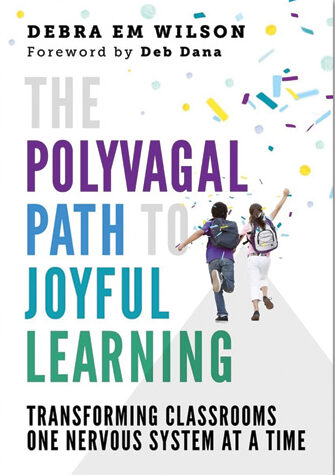
The Polyvagal Path to Joyful Learning

Understanding the nervous system is central to working with children experiencing stress and trauma. The Polyvagal Path to Joyful Learning introduces clinicians to polyvagal theory in a practical, accessible way. This approach helps professionals recognize how safety, connection, and regulation influence a child’s ability to engage, learn, and build relationships.

Building Functional Skills for Daily Success

Executive functioning and participation challenges often accompany mental health concerns. Tools like FAB (Functionally Alert Behavior Strategies) provide structured insight into how behavior impacts daily functioning, allowing therapists to create meaningful, goal-driven interventions.


Moving Forward

Professionals in children’s mental health are uniquely positioned to make a lasting impact. By integrating sensory-informed, trauma-aware, and evidence-based tools, clinicians can create environments that foster regulation, resilience, and engagement.

Explore additional resources and tools to support your practice on the Therapro website, including our full range of mental health and sensory integration materials:
https://www.therapro.com

Investing in the right tools today strengthens outcomes for the children you serve tomorrow.
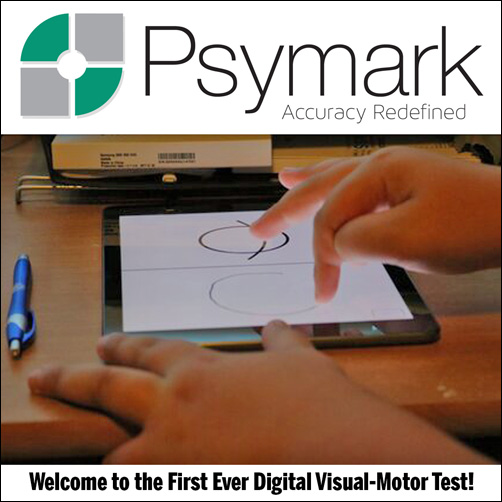
Psymark Featured on the OT Schoolhouse Podcast: Exploring Digital Visual-Motor Assessments

Technology is transforming school-based occupational therapy, and the latest episode of the OT Schoolhouse Podcast highlights a game-changing tool that’s making assessments more efficient than ever. In this episode, Karen Silberman, creator of the Psymark Psymark Visual-Motor Progress Monitoring Apps, and occupational therapist Heather Donovan join host Jayson Davies to dive into the latest innovations in Psymark’s digital tools for visual-motor assessments. This tool not only saves time but also equips practitioners and educators with actionable intervention strategies—helping support students more effectively while reducing unnecessary referrals.

Psymark Visual-Motor apps

What You’ll Learn

In this episode, listeners will gain insights into Psymark’s groundbreaking research and the effectiveness of its digital tools. Highlights include:

  • Pencil-Finger-Stylus Study: Findings show that digital input methods produce nearly identical results to traditional pencil-and-paper tasks, reinforcing the validity of digital assessments.
  • Concurrent Validity Study: Recent research demonstrates that the Psymark Shapes test has a strong correlation with the Beery-Buktenica Developmental Test of Visual-Motor Integration (VMI), a widely recognized assessment tool.
  • Real-World Impact: A case study from a school district revealed a 48% increase in students reaching the Proficient range after a 12-week intervention, highlighting the effectiveness of targeted support using Psymark’s tools.

A Sneak Peek at an Exciting New Digital Visual-Motor Assessment

Listeners will also get an exclusive preview of the upcoming Psymark Visual Motor Screener (VMS), set to launch this spring! This powerful screening tool is designed for both occupational therapists and general education teachers, allowing them to efficiently assess large groups of students and provide tailored intervention strategies for those who need additional support.

The VMS toolkit will include:

  • The Visual Motor Screener (VMS)
  • A training video
  • A comprehensive manual

This new tool will empower professionals to quickly identify visual-motor challenges and implement targeted strategies to help students succeed.

Don’t Miss This Episode!

Hear how Psymark is leading the way in digital visual-motor assessments. visit otschoolhouse.com/episode171 to listen and discover how these advancements are shaping the future of occupational therapy and student success.

At Therapro, we’re committed to providing resources and tools that support therapists, educators, and families. Stay connected for more updates on the latest in assessments and interventions!

Creative Uses for Slant Boards and Positioning Cushions

Handwriting and writing position are often discussed in a school setting but what about our other clients? Let us consider a patient who is in the hospital. Enabling a patient to engage in drawing, art, a pre-writing task, or writing itself following an illness or injury is invaluable. However, it can be a challenge to provide the necessary angle for a writing surface when working at the bedside. Some hospital-based OT departments have a table surface that adjusts in height as well as the angle of the writing surface, but slant boards and positioning cushions are not always available.

Slant Boards used for Positioning

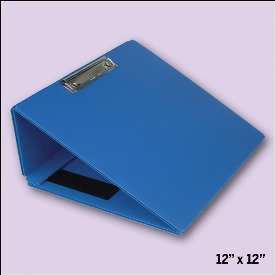
The various slanted writing surfaces available through Therapro offer the solution. I particularly love the Collapsible Writing Surface. It opens the door to varying both the activity used in treatment as well as the location for the session.

Imagine for a moment a patient in an orthopedic ward following an MVA. The patient has multiple fractures with exoskeleton / P.O.P. and is depressed and uncooperative with all staff members. After persuading the doctor to refer to OT, a brief history reveals that the patient is an artist and the thought of not being able to draw is what depresses them enough to interfere with function on all levels.

As an OT, we can build up the grips of a pencil or paint brush. Another option to easing use of writing implement is through Triangular Pencils. Triangular writing implements can also enable a patient of this nature to return to drawing by easing the demands of the small muscles in the hand. Although strengthening these muscles will be important, the first step might be to encourage return to meaningful activity, hence the need for an easier means of holding the writing or drawing implement.

Using the portable, collapsible slanted writing surface or easel, one can now take the patient out of the ward (whether on a trolley or in a wheelchair) and into either the OT department or, better still, the garden. A change of environment does wonders for the patient psychologically, not to mention the hope offered by enabling an artist to return to what they love best – drawing, painting or creating. Many artists gain inspiration from nature, hence being able to get into the garden can literally be a breath of fresh air that instills a desire to regain function.

Through this brief example, we can see that writing and being involved in creative pursuits is a necessary skill and activity for various age groups and types of clients, not only for children at school. The tools and equipment that are beneficial in the classroom can be equally important in a hospital or other setting.

The write slant boards or Better Board Slant Boards are also of benefit to:

  • a woman who is expecting and is placed on bedrest.
  • the elderly who has limited space due to downsizing and increasing need to take care of their backs. The fact that the slant boards are light and collapsable makes handling and storage easy for an older person.
The Movin’ Sit Air Cushion used for Positioning

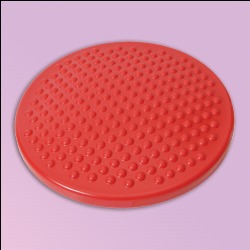
Still related to positioning, two cushions that I have used quite often in my practice are the Disc‘O’Sit and the Movin’ Sit Air Cushion. I love the fact that they are portable and adjustable in terms of air pressure. This makes it possible to take these cushions to a treatment or evaluation in a home or workplace.

One group of clients I have found to benefit from these cushions is a pregnant woman who is experiencing lower back pain. Pregnancy related lower back pain is a common complaint which can be alleviated with appropriate exercise and positioning.


Guest Blogger: Shoshanah Shear

Guest Blogger Shoshanah Shear

Occupational Therapist, healing facilitator, certified infant massage instructor, freelance writer, author of “Healing Your Life Through Activity – An Occupational Therapist’s Story” and co-author of “Tuvia Finds His Freedom”.