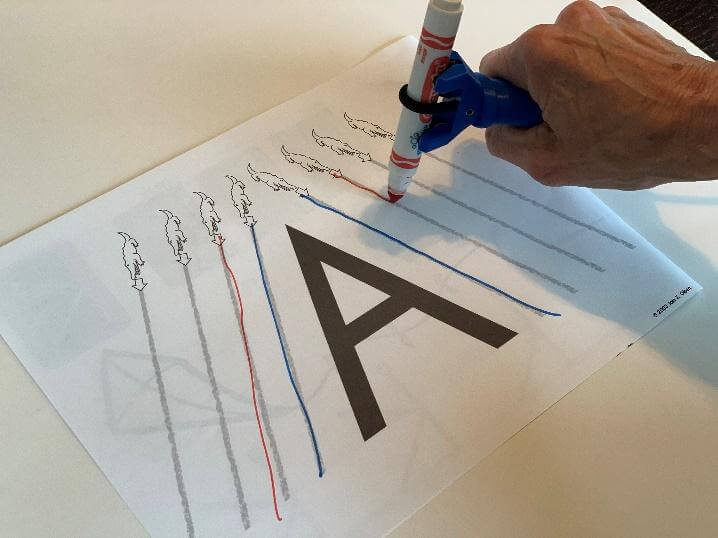
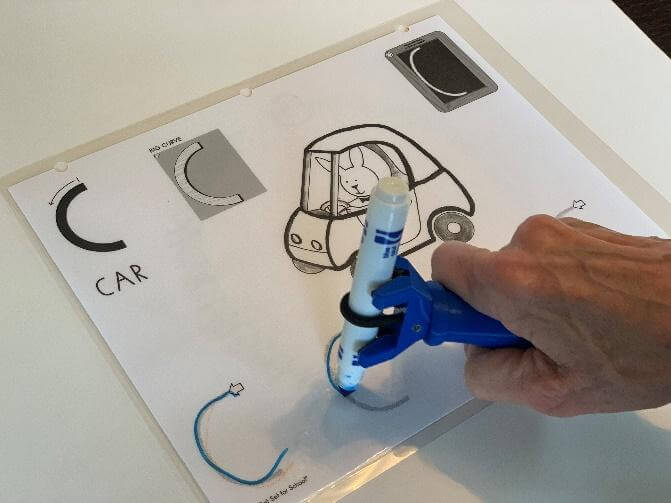
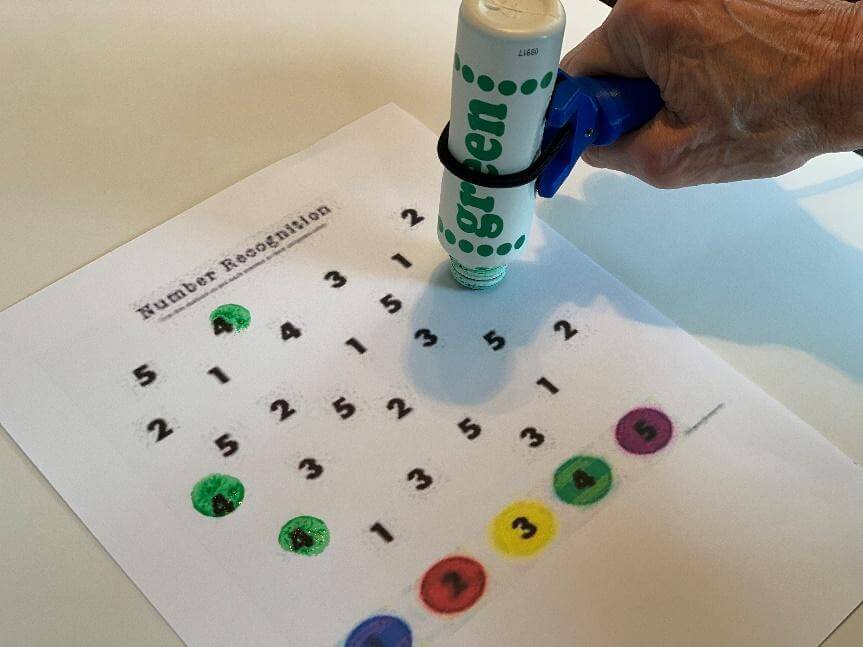
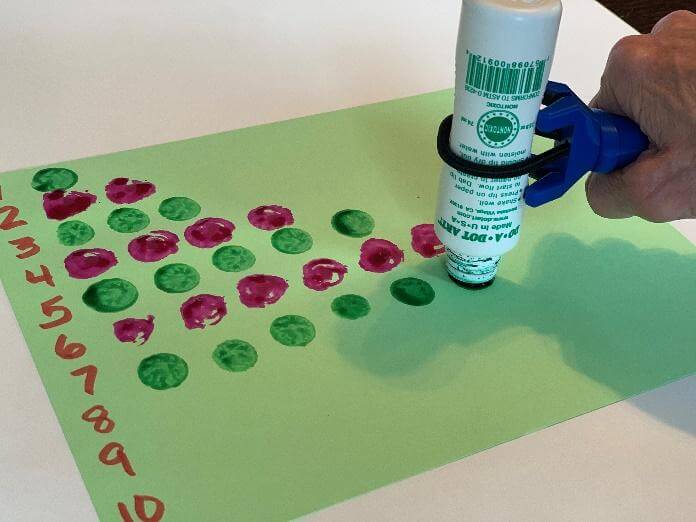
Therapro is making it simpler for users to choose the right pencil grips and adapted writing tools. After reviewing all of the pencil grips and modified writing tools available at Therapro, we concluded that there are basically three groups that these tools fall into: comfort, positioning, and sensory.
Comfort. Comfort is an important feature for writers across the lifespan. These types of grips and writing tools are great for writers who fatigue during longer writing tasks or who have underlying conditions that cause pain, like arthritis. The PenAgain was designed to help reduce hand cramping during writing. The Standard Foam Grip and the Bulb Shaped Grip are basic, low profile grips that can be added to a pencil or pen to provide a softer surface for the fingers. These grips and writing tools may help a writer perform writing tasks longer.
Positioning. Appropriate pencil grasp is the key for successful, legible handwriting. Atypical grasp patterns can lead to decreased comfort and endurance for writing tasks. When to use a pencil grip or a modified writing tool often prompts debate.
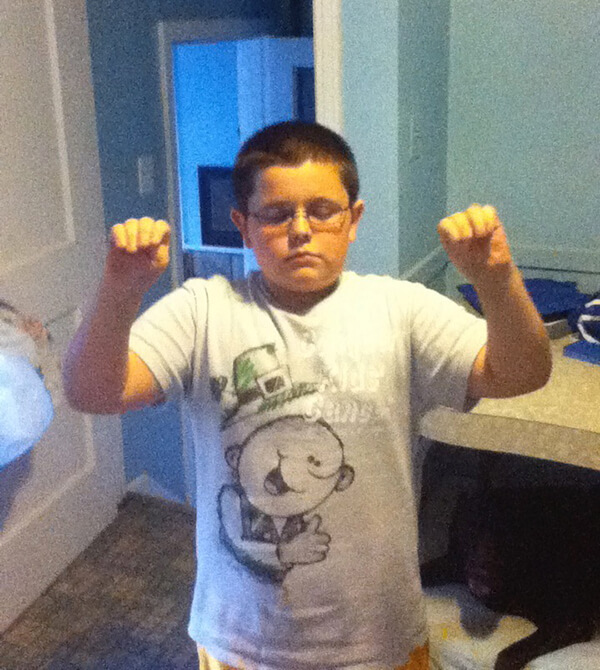
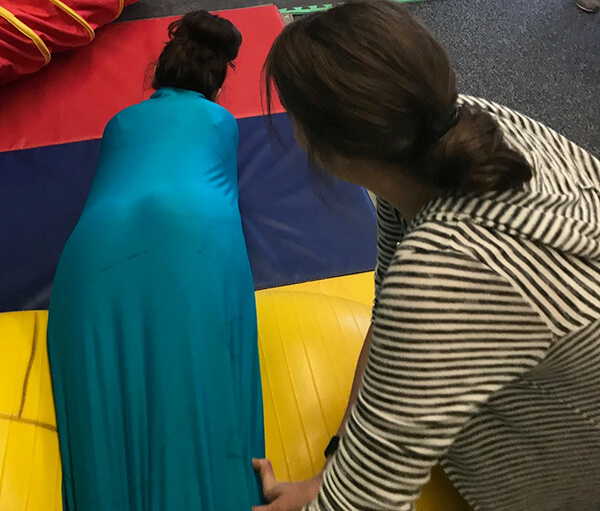
Young writers often benefit from developing the foundational skills needed for successful handwriting before a grip is used. These writers benefit from activities that assist in developing foundational postural musculature and hand skills. Working with putty, incorporating yoga, doing activities on the therapy ball, or incorporating activities like those found in the Fine Motor Olympics or Fingermania are all great ways to target underlying foundational skills needed for functional hand use. During this stage, it is also important to incorporate writing “tools” such as short pencils or crayon rocks that naturally support functional grasp patterns.
Pencil grips for positioning come into play primarily when 1) the student is still working on developing underlying foundational systems, and they need to keep up with peers or 2) when the student benefits from the tactile cues provided by these grips or writing tools to maintain a proper pencil grip. There is a wide range of grips and writing instruments available, allowing for grading of the support provided.
Writers who are just learning to get their fingers into a tripod grasp benefit from a grip that provides more support. Therapro suggests the following:
- The Grotto Grip has contours that place the fingers in a tripod grasp and promote an open webspace, this type of grip is also great for writers with hypermobility in their finger joints.
- Grips like the Writing Claw, the Pointer Grip, the Crossover Grip or StartWrite Pencil Grip have features that block fingers from “crossing over” or reverting to immature grasp patterns.
Writers who need less support may benefit from grips that are “low profile”. Grips like the Solo Grip, and the Stetro Grip are smaller in size than some of the other grips in this category. They provide light tactile cues to remind the writer where to place their fingers but do not actively block the fingers from moving out of a tripod pattern.
As the writer’s abilities progress, they may be ready to move away from using a grip but may not be quite ready for a standard pencil. This is where triangular-shaped pencils like the Try Rex Pencil come in. The triangular shape offers a subtle tactile reminder for proper placement of the fingers.
Sensory. The final category of pencil grips and writing instruments is sensory. To simplify this, the sensory category can be viewed as two ends of the sensory spectrum: alerting or calming/organizing.
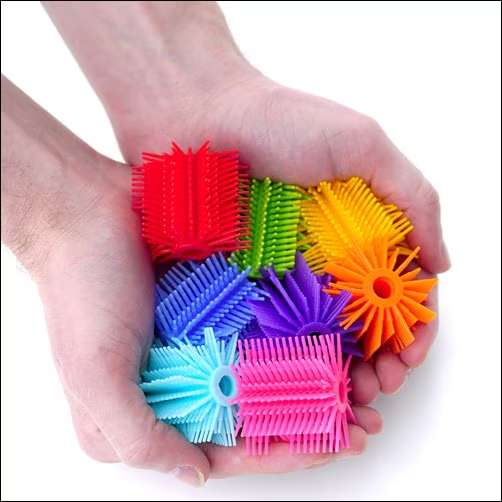
Light touch sensations are interpreted by our sensory systems as alerting, think about a spider crawling over your arm! The grips and writing tools in the alerting category provide light touch sensations to help writers “wake up” their sensory systems. This type of input can improve the ability to attend and focus. Great options for this are:
- The Spike Tactile Grip. The Spike Tactile Grip is covered in spiky protrusions that provide opportunities for light touch sensations. As a bonus, these protrusions can be used as a “fidget” to help with attention and focus during writing tasks.
- Grips like the Bumpy Grip and The Extreme Grip offer slightly more subtle raised tactile features but still provide great sensory input to help maintain attention and focus during writing.

Some writers have poorly organized sensory systems; these writers benefit from organizing input and input that provides clues about where the writer’s body parts are. Sometimes these writers use too much force when they are writing or they have a hard time writing on the given baseline. Adding weight to writing tools is a great way to help these systems become more organized, try the following:
- The Weighted Pen And Weighted Mechanical Pencil are writing tools that have the weight built right in.
- The Weighted Holders or the PencilWeight allow you to add weight to existing writing tools.
A bonus tip, adding weight to writing tools may help those with hand tremors!
In summary, understanding both the needs of the user and the type of support and the level of support grips and writing tools offer is a great starting point for determining the most appropriate grip or writing tool to choose. Starting with the least restrictive option is a great way to ensure the writer is getting the support they need without overdoing it. Conversely, using a grip or writing tool that provides a lot of support may be appropriate for the student who is working on developing foundational skills to ensure a positive writing experience. For therapists, this grading system is a great way to show progress as students move from a more restrictive tool to one that offers less support. The information contained in this post is condensed in the Get A Grip on Pencil Grips and Which Writing Tools or Accessories Handy Guides. We hope these handy reference guides help you quickly identify the tool that will best fit your needs!