Tag Archives: therapist resources

Explore curated resources for therapists, including intervention tools, educational materials, assessment supports, and treatment strategies. Designed for therapists and educators, these resources help professionals plan effective sessions, support diverse client needs, and stay current with best practices in therapeutic and educational settings.

Why #4 Lead Pencils Support Early Writing Success

Therapro Pencil a Standard Size pencil with #4 Jumbo Lead

For children just beginning their writing journey, the choice of pencil can make a significant difference in both comfort and skill development. One key factor therapists, educators, and parents should consider is the pencil lead size and durability. This is where #4 lead pencils excel — offering a sturdier, more resilient writing experience tailored for early and developing writers.

Why #4 Lead Works Best for Early Writers

Standard pencil leads typically come in sizes ranging from 2 to 5, with #2 being the most common for general use. However, for young children and early writers who are still developing fine motor skills and pencil control, #4 lead offers several important advantages:

  • Increased Durability: #4 lead is thicker and less prone to breaking under the uneven pressure or gripping inconsistencies common in early writing.
  • Consistent Line Quality: The sturdier lead produces a clearer, bolder line, which helps children see their work more easily, reinforcing letter formation and spatial awareness.
  • Improved Grip Confidence: When the lead withstands pressure better, children feel less frustration and gain confidence in their ability to write.
  • Support for Motor Skill Development: The tactile feedback of a thicker lead encourages a more controlled grasp and smoother movements.

Therapro Pencil: Standard Size with #4 Jumbo Lead — The Best of Both Worlds

Therapro’s Standard Size Pencil with #4 Jumbo Lead uniquely blends the benefits of this sturdy jumbo lead with a pencil body that fits the needs of growing hands and therapeutic interventions.

Here’s what makes this pencil stand out:

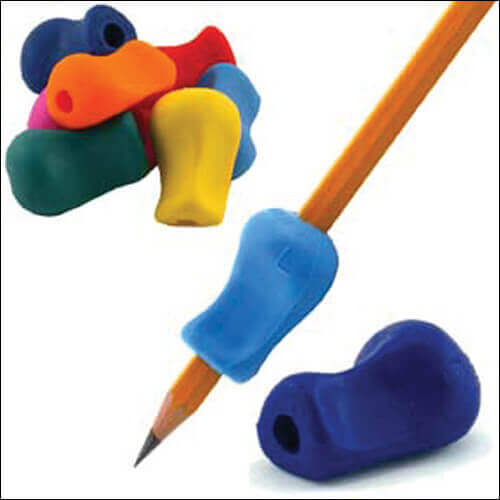
  • Standard Shaft Size Compatible with Pencil Grips: Unlike many jumbo pencils that are too thick for standard grips, Therapro’s pencil has a standard-sized shaft that allows easy attachment of all common pencil grips. This means children can benefit from ergonomic aids without needing special-sized pencils.
  • Durable #4 Jumbo Lead: The thicker, resilient lead reduces the frequency of lead breakage, making writing sessions smoother and less frustrating for young users.
  • Built-in Eraser for Convenience: Kids can quickly correct mistakes without switching tools, supporting uninterrupted practice and focus.
  • Versatile for Therapy, Classroom, and Home: Whether used in occupational therapy sessions, school writing tasks, or at home homework time, this pencil supports handwriting development every step of the way.

Practical Benefits for Occupational Therapy and Education

Occupational therapists frequently recommend pencils that promote optimal pencil grasp, fine motor control, and handwriting endurance. Therapro’s Standard Size Pencil with #4 Jumbo Lead is an effective tool because it supports all these goals:

  • It fits standard pencil grips, allowing therapists to customize support for individual children.
  • Its durable lead withstands the variable pressure of new writers.
  • Its size feels familiar to kids, helping ease the transition to independent writing.

Selecting the right pencil is more than a simple school supply choice — it can actively influence the success of early writing development. The #4 lead size is ideal for young children learning fine motor control, and Therapro’s Standard Size Pencil with #4 Jumbo Lead uniquely meets the needs of both children and professionals by combining sturdier lead with pencil grip compatibility.

For therapists, educators, and parents committed to setting up young writers for success, this pencil is a practical, reliable choice that supports handwriting skill growth with less frustration and more confidence.

Movement and Strength for Mental Health

Each year on October 10, the world recognizes World Mental Health Day, an important reminder of the need to support emotional well-being across all ages and abilities. Research consistently shows that movement and mental health are deeply connected—physical activity not only strengthens the body but also boosts mood, reduces stress, and fosters resilience. For therapists, educators, and parents, incorporating purposeful movement and strength-building activities into daily routines can be a powerful way to promote both physical and emotional wellness.

Why Movement Matters for Mental Health

Exercise stimulates the release of endorphins, improves focus, and helps regulate emotions. For children and adults alike, structured movement activities can provide healthy coping strategies, reduce anxiety, and build confidence. In therapeutic and educational settings, using the right tools can transform simple exercises into opportunities for engagement, regulation, and growth.

Tools to Support Strength and Emotional Well-Being

Therapro offers a wide range of resources in its Strength & Fitness category designed to integrate movement into therapy and learning environments. Here are three effective tools that promote both strength and mental health:

Cozy Caterpillar™ Compression Tube

Compression Tube – This stretchy, enclosed fabric provides calming deep pressure and encourages creative movement, making it an excellent choice for self-regulation and sensory integration.

TheraBand Resistance Bands – Lightweight and versatile, these bands help build strength, endurance, and flexibility while giving clients an accessible tool for stress relief through movement.

Weighted Balls – Perfect for tossing, lifting, and core exercises, these tools add resistance that can improve both physical strength and emotional regulation.

Putting It Into Practice

Whether used in occupational or physical therapy sessions, classrooms, or at home, strength and movement-based activities can help clients of all ages build confidence, reduce stress, and foster a sense of accomplishment. By pairing intentional movement with supportive tools, therapists and caregivers can empower individuals to take meaningful steps toward better mental health.

This World Mental Health Day, let’s recognize the role of movement in emotional wellness and use therapeutic tools that support both mind and body.

Why the Tripod Grasp Matters—and How Short Pencils Help Develop It

The Importance of a Functional Tripod Grasp

The tripod grasp is one of the most important foundational motor skills a child needs for effective handwriting. It involves using the thumb, index, and middle fingers to hold and control a writing utensil. This mature grasp allows for precise, controlled movements, reducing hand fatigue and enabling efficient writing over time. But for many young children, especially those with developing or delayed fine motor skills, this grasp does not come naturally.

What Is a Tripod Grasp—and Why Does It Matter?

A tripod grasp places the pencil between the thumb and index finger, resting on the middle finger. This grip allows for stability and mobility at the same time. When the grasp is inefficient—like using a whole hand or wrapping the thumb—it can lead to poor letter formation, slow writing speed, or discomfort that limits participation in schoolwork.

Occupational therapists, educators, and parents all play a role in helping children build the muscle coordination and hand strength required for this mature grasp. The earlier the intervention, the more natural the grasp becomes.

How Short Pencils Support a Tripod Grasp 

	
Short Pencils

One of the simplest yet most effective tools to promote a proper tripod grasp is a short pencil. At just 3.5 inches in length, these pencils are too small for a child to wrap their whole hand around. Instead, they naturally encourage the use of the fingertips, positioning the hand for success.

Here’s why short pencils work so well:

  • They limit compensatory grips. With less surface area to grasp, children are discouraged from using awkward or inefficient grips like thumb-wrapping or palmar holds.
  • They promote finger awareness and control. The smaller size brings the writing tool closer to the hand, improving proprioception and control.
  • They work with other supports. Short pencils fit most pencil grips and adaptive devices, allowing for customizable support.
  • They increase handwriting endurance. When the fingers are positioned properly, children can write longer with less fatigue.

Who Can Benefit?

Short pencils are ideal for:

  • Preschool and early elementary students learning to write
  • Children with fine motor delays or developmental coordination challenges
  • Students receiving occupational therapy services
  • Parents seeking tools for at-home skill building

Simple Tool, Big Impact

Sometimes the best therapy tools are the simplest ones. Short pencils are affordable, easy to implement across settings, and powerful in their impact. Whether used in the classroom, therapy clinic, or at home, they promote foundational grasp patterns that set children up for handwriting success.

Ready to support better handwriting from the start? Explore Therapro’s Short Pencils and discover how a small change can lead to big improvements in motor development and learning outcomes.