Tag Archives: therapist resources

Explore curated resources for therapists, including intervention tools, educational materials, assessment supports, and treatment strategies. Designed for therapists and educators, these resources help professionals plan effective sessions, support diverse client needs, and stay current with best practices in therapeutic and educational settings.

Smart Tips for Year-End Success

As the school year winds down, therapists play a vital role in helping students transition smoothly while supporting carryover of skills during the summer. The end of the academic year isn’t just about closing cases—it’s a strategic time to restock, refocus, and empower families with tools to maintain progress. Below are smart tips for year-end success to focus on as you wrap up your school-based therapy services.


Smart Tip #1: Reflect, Reorganize, and Reset

Use the final weeks of school to reflect on what worked, what didn’t, and what needs restocking. This is the ideal time to refresh your therapy materials and take inventory of frequently used supplies.

Top Items to Restock Before Summer:

Ergonomic pencil grip tool for improving handwriting comfort and control

Pencil Grips – Essential tools for grasp development and writing support. Stock up here: Pencil Grips at Therapro

Ink Refills for LegiLiners – Don’t start next year with dry rollers: Ink for LegiLiners

LegiLiner Double Solid Line 3/8' tall, Pen Style Rolling Ink Stamp
With line paper assortment by therapro

Raised Line & Highlighter Paper – Great for visual and tactile feedback: Explore Paper Options

This is also a great time to tidy your space, digitize records, and prep templates so you can start strong in the fall.


Smart Tip #2: Prepare Students for Smooth Transitions

Transitions can be especially challenging for students with developmental, sensory, or executive functioning differences. Help families support consistency and reduce stress at home by sending home visuals and tools to keep routines familiar.

Recommended Tools for Families:

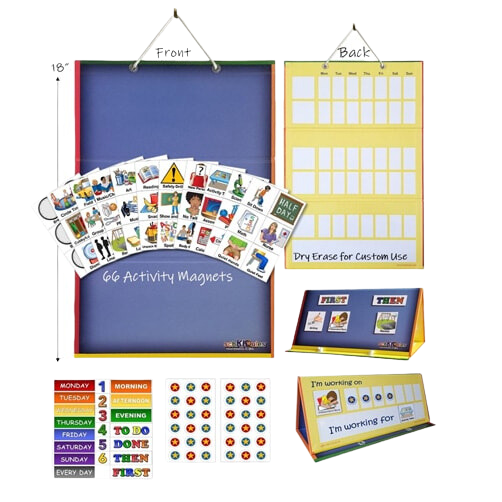
Schkidules visual schedule display

SchKIDules Deluxe Collection Box Set – A visual scheduling system that helps parents establish and maintain daily routines over the summer.

Sensational Fun – A helpful resource packed with sensory-based activities to keep kids regulated and engaged at home.

Sensational Fun

You can also send home personalized routine charts, task analyses, or social stories to reinforce carryover.


Smart Tip #3: Send Home a Summer Skill Maintenance Checklist

Instead of assembling and sending home summer kits (which may not be practical for every therapist), consider offering families a simple, printable guide packed with low-cost, everyday ideas. The Ready, Set, Summer! Home Activity Guide helps caregivers turn ordinary household items into meaningful skill-building moments.

Encourage families to weave therapy into daily routines and play—because supporting development doesn’t have to mean structured lessons or expensive materials!

What’s Inside the Guide:

  • 🧺 Easy-to-find tools like clothespins, Tupperware, and sidewalk chalk
  • 🛋️ DIY obstacle course ideas using furniture and masking tape
  • ✂️ Fun ways to practice cutting, strengthening, and fine motor skills
  • 🧠 Everyday activities turned into therapy moments (like sorting laundry!)
  • 🛍️ Product recommendations including Therapy Putty and Adapted Scissors

📥 Download the Ready, Set, Summer! Home Activity Guide to share with families and caregivers today!

Smart Tip #4: Set Yourself Up for Fall

You know how hectic back-to-school season can be—so set up “future you” for success now. Clean and label bins, prep materials you’ll need in the first few weeks, and store go-to activities where they’re easy to find.

Need to upgrade your setup? Check out our Tools for Therapists, including Office Plus Everyday Wobble Chair and fidgets to promote better posture and productivity.


Smart Tip #5: Don’t Forget You

The end of the school year is a time to celebrate your hard work and impact. Make space for rest and recharge this summer. Whether you’re attending professional development, diving into a new book, or simply taking a break, your well-being is vital.

Looking to grow your skills? Therapro offers free on-demand webinars, blogs, and professional resources to support your learning all year long.


Final Thought:
The end of the school year is a moment to celebrate progress—and set students up for success. With a bit of planning and the right tools, therapists can empower families to keep the momentum going all summer long.

Wrap-Up with Confidence

As you wrap up this school year, know that the small steps you take now can ease transitions, prevent skill loss, and give both students and therapists a strong start for the fall. From summer activity ideas to transition tools and therapy essentials, Therapro is here to support you every step of the way.

👉 Explore all of these tools and more at Therapro.com!


Spring Purchasing Trends in Education

Spring Purchasing Trends in Education are in full bloom as educators and therapists look to refresh learning spaces and support student success. This season brings a surge in demand for tools that foster development, promote sensory regulation, and encourage hands-on learning. Explore the top trends shaping spring purchases—along with Therapro’s expert product recommendations to meet each need.

Spring Purchasing Trend #1: Sensory and Emotional Regulation

Products that aid sensory processing and emotional regulation are essential for creating inclusive and focused classrooms. These tools help students manage sensory overload and improve concentration.

Child wearing the ProPower Compression vest for sensory regulation

Therapro Recommendations:

Spring Purchasing Trend #2: Inclusive and Adaptive Learning Tools

With a continued focus on inclusivity, schools are purchasing adaptive tools that cater to students with special needs.

Therapro Recommendations:

  • Adapted Scissors: A wide range of adapted scissor options are available to support students’ diverse needs- from tabletop scissors that support one-handed use to spring-loaded scissors for hands with decreased grip strength.
  • Visual Timers: Visual timers and schedules are an essential support for young learners and especially for learners still developing executive function skills.
Push down scissors assistive technology solution

Spring Purchasing Trend #3: Classroom Organization and Flexibility

Flexible classroom setups are increasingly important, and educators are investing in furniture and tools that can be easily adjusted to suit different learning styles.

Kore Kids Wobble Chair for dynamic movement while seated

Therapro Recommendations:

  • Kore Design Wobble Chair: Provides flexible seating that supports focus and comfort.
  • Collapsible Slant Boards: Easy to store and perfect for various learning activities. Helps with writing posture and provides stability for students with handwriting challenges.

Spring Purchasing Trend #4: STEM and STEAM Learning Materials

With the increasing focus on STEM and STEAM education, schools are investing in hands-on products that promote problem-solving, creativity, and critical thinking. These tools help foster engagement and deeper understanding of core concepts.

Therapro Recommendations:

  • Design & Drill Marble Maze: This interactive kit lets students design their own mazes, combining engineering, problem-solving, and fine motor skills to create a fun and challenging learning experience.
  • Flexitables: These innovative educational tools are designed to make learning math a hands-on and engaging experience.
Flexitable: Addition and Subtraction

Spring Purchasing Trend #5: Self-Care and Daily Living Skills

As health and hygiene continue to be top priorities, there is a growing emphasis on teaching students essential self-care skills. Products that support hygiene routines and promote independence are in high demand this spring.

Self-Care with Flair!

Therapro Recommendations:

  • Self-Care with Flair!: This fun and engaging curriculum helps children develop essential self-care skills, such as grooming, dressing, and personal hygiene, in an interactive and empowering way.
  • Webber® Activities of Daily Living Tips and Teaching Companion: A comprehensive resource for educators and therapists that supports effective teaching of essential self-care skills while accommodating diverse learning styles.

Spring purchasing trends in education highlight a focus on inclusivity, flexibility, and hands-on learning. From sensory regulation tools to STEM resources, these products help create dynamic and engaging learning environments. With Therapro’s range of specialized products, educators and therapist can find the right tools to meet the unique needs of their students and ensure a successful school year ahead.

Challenges of Low Vision in Children

Definition and Impact:

Vision is the interpretation of what an individual sees. The visual system includes the following components: acuity, binocularity, fixation, and visual tracking. Low vision is a condition characterized by reduced vision that cannot be fully corrected with glasses, contact lenses, or surgery. “Challenged vision” seems to be a more descriptive term for this multi-faceted diagnosis because low vision seems to imply decreased visual acuity whereas challenged vision is a broader term and implies how vision problems affect visual perception. However, for this article, the term “low vision” will continue to be used to be inclusive of the many difficulties that are more inclusive than only visual acuity. Low vision may manifest with a number of problems including blurry vision, decreased depth perception, poor reading skills, discomfort sustaining visual attention, headaches, and more. Low vision can severely affect children’s ability to learn, develop social skills, and participate in daily activities.

The Vision Council is an organization that aspires to be a vision care leader in “enabling better vision for better lives.” Its mission includes promoting growth in vision care through advocacy, education, research, and consumer outreach. In June 2024, The Vision Council published a report: Focused inSights: Patients with Low Vision. Results were based on two Focus Groups representing participants with low vision (adults) and primary caregivers of children with low vision. Children were diagnosed, primarily by optometrists (41%), typically when a child began school. Symptoms included: blurry vision, light sensitivity, inability to see in low light, and struggles with reading. From there they were referred to other providers including low vision specialists, occupational therapists, and assistive technology specialists.

Developmental Challenges for Children with Low Vison:

Children with low vision often face developmental delays, particularly in motor skills, visual-spatial tasks, and academic skills including reading and writing. These challenges can lead to difficulties in reading, writing, and navigating the environment. The lack of visual cues can also hinder their social interactions and ability to learn from their surroundings. Low vision can lead to emotional and psychological challenges, such as frustration, anxiety, or social withdrawal, which are common in children dealing with impaired visual functioning.

Educational Needs for Children with Low Vision:

Education for children with low vision must be tailored to their specific needs. This often includes the use of assistive technologies, such as screen readers, to support their learning. Schools provide individualized education plans (IEPs) to accommodate these children effectively. Additionally, teachers can arrange their classrooms to avoid visual overstimulation for all students. Incorporating movement into a teaching activity, like pairing up with a classmate to throw and catch letter beanbags to learn letters, works on learning letters while using bilateral skills and spatial skills.

Therapeutic Interventions for Children with Low Vision:

Vision is considered more than optical clarity or muscle and nerve functioning; it examines vision development and is influenced by what the child sees along with their physical actions. Occupational therapy, vision therapy with a behavioral/developmental optometrist, and a vision professional with specialized training can help children with low vision
develop compensatory skills. These therapies focus on improving the child’s ability to perform daily activities, enhancing their remaining vision, and promoting independence.

The June 4, 2024 Therapro webinar recording: Getting and Keeping Your Child’s Vision in Sync and the September 10, 2024 webinar, In-Sync Child Activities to Help Kids Develop and Enhance Visual Processing Skills by Joye Newman, are available to watch on demand. Joyce Newman provides a wonderful overview of how vision develops, components of the visual system, symptoms of dysfunction, and suggestions for treating them. Therapro has materials Joye recommended to address vision issues.

Parental and Caregiver Support:

Parents and caregivers play a vital role in supporting children with low vision. This support includes advocating for appropriate services, creating an accessible home environment, and helping children develop self-care and independence skills. Family involvement is crucial in helping children adapt to their visual challenges. Family is a crucial component of the
child’s team. Consistent carryover of teachers’ , therapists’, and vision specialists’ recommendations optimizes a child’s visual skills and visual development at home, school, and in the community.

Summary:

Early detection, intervention, and support are crucial to managing the impact of low vision on a child’s development. The quality of vision affects a child’s intellectual, emotional, behavioral, and social growth and development. Working as a team with teachers, therapists, and vision
specialists will empower parents and caregivers to support their child with low vision effectively.

Guest Author: Filomena Connor, MSOT-Retired