Tag Archives: therapist resources

Explore curated resources for therapists, including intervention tools, educational materials, assessment supports, and treatment strategies. Designed for therapists and educators, these resources help professionals plan effective sessions, support diverse client needs, and stay current with best practices in therapeutic and educational settings.

Creating a Successful, Sensory-Friendly, Learning Environment

As the new school year approaches, setting up an effective, sensory-friendly, home learning environment is essential for your child’s success. A well-organized and sensory-friendly space can enhance focus, reduce stress, and make learning more fun. Adapting a learning environment to your child’s specific needs and learning style are crucial elements for a happy, productive learning experience. Therapro offers a wide range of products designed to meet the unique needs of every child, ensuring a smooth and successful back-to-school transition. Here are 5 strategies that will help your child sail smoothly into Fall:

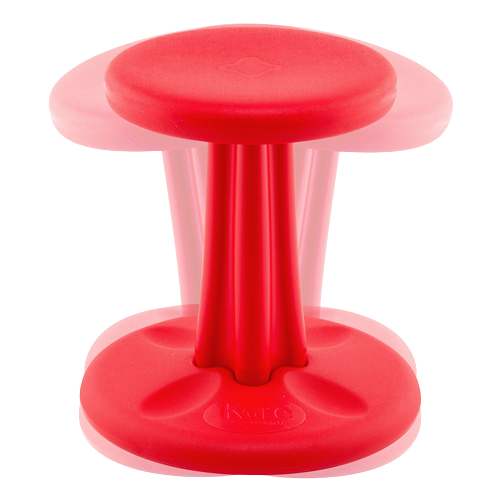
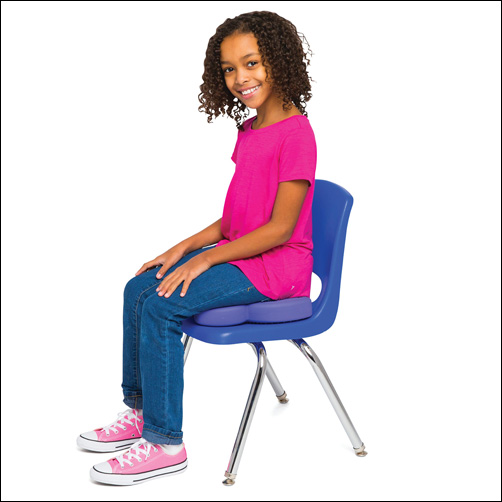
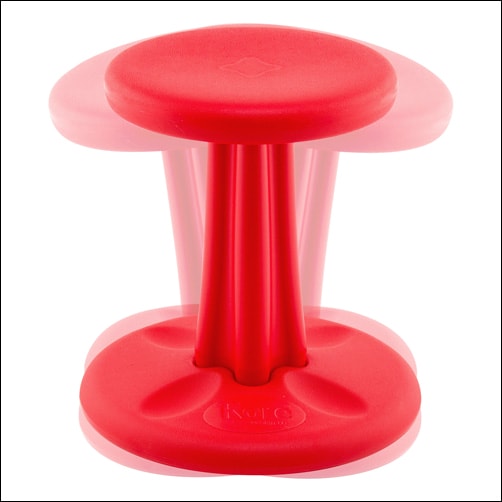
1.) Designate the Ideal Learning Space: Choosing the right location for your child’s learning space is the first step. It should be quiet, well-lit, and free from distractions, such as visual clutter and noise. Ergonomic furniture is essential to ensure comfort and proper posture during study sessions. Therapro’s seating solutions, including Kore Kid’s Wobble Chair and Wiggle Seat Sensory Cushions, are perfect for creating a customized learning environment that grows with your child.  Choose from several different sizes of the Wobble Chair to accommodate your child’s height while allowing movement back and forth, front to back, and all around without tipping. The Wiggle Seat comes in 4 colorful shapes to help your child stay focused and stable when seated.

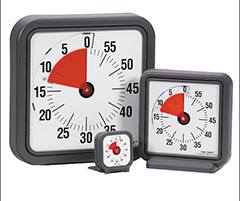
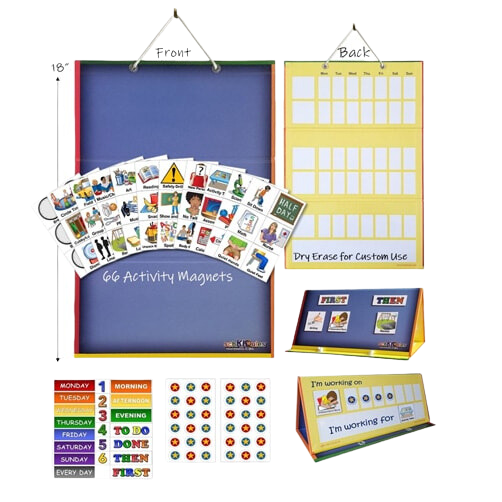
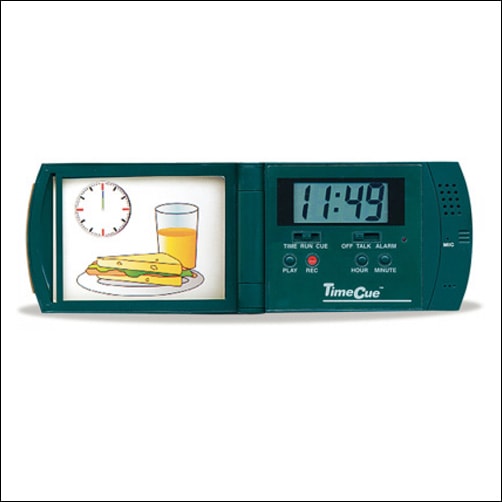
2.) Provide Organizational Tools for Success: Organization plays a key role in effective learning. A consistent routine helps children feel secure and understand what to expect each day. Establishing a daily schedule that includes time for learning, breaks, and play is essential. Visual schedules, planners, and other organizational tools help children understand their daily tasks and manage their time efficiently. Therapro offers a variety of these tools from SchKiDules that are engaging and easy to use. The magnetic 2-Sided Star Board is a versatile tool that unfolds into three 6 inch panels to build a daily visual schedule. Time Timer Original 3-inch timer provides a 60 minute countdown to keep your child on track.

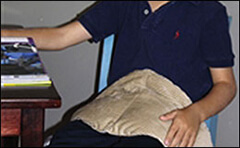
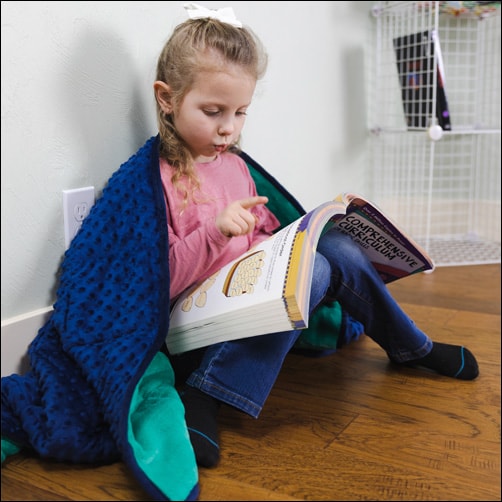
3.) Set Up a Sensory-Friendly Environment to Enhance Focus and Attention: Many children benefit from a sensory-friendly learning environment. Addressing sensory needs can help improve focus and reduce anxiety. Therapro provides a range of sensory products, such as fidgets, weighted items, and sensory materials to create a calming and supportive space for learning. Be sure to check with your child’s occupational therapist to collaborate on what sensory tools would be best for your child. The weighted Sit -Tight Lap Pad’s gentle pressure helps children achieve calm and focus. It easily fastens around the waist with a clip. The adorable Puppy Shoulder Wrap helps active, younger children stay calm and focused as well.

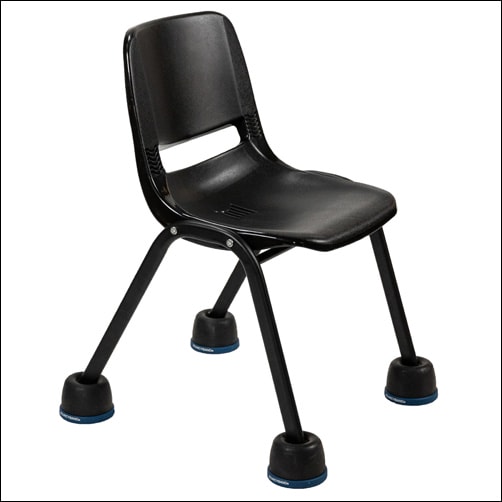
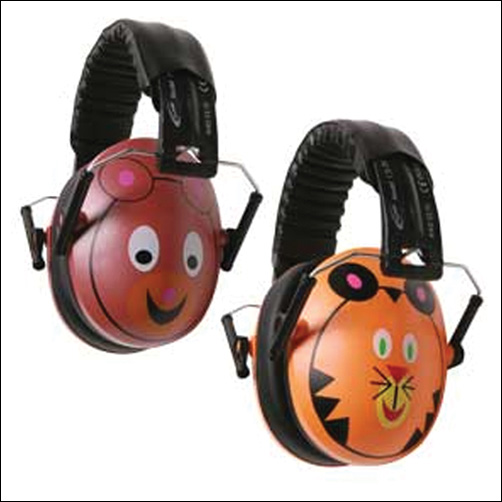
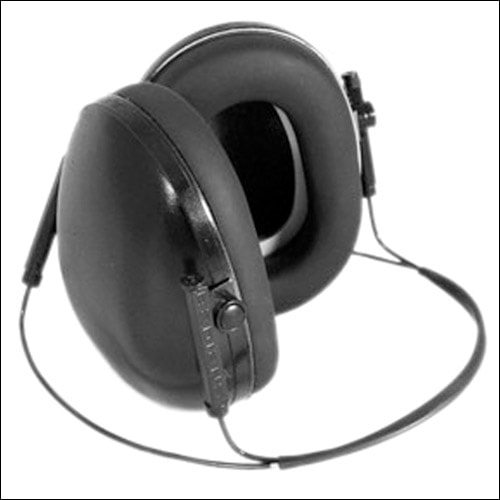
Maintaining focus can be challenging for many children. Simple strategies, like using Noise-Canceling Headphones to block out distractions, or visual timers to manage breaks, can make a significant difference. Therapro’s focus tools, including concentration aids and stress-relief items, are designed to help children stay on task. Universal Bouncy Band for Home and School Chairs is a heavy-duty rubber bungee cord that attaches to chair legs allowing the student to support their feet and move, resulting in greater productivity because they are attending to the task.

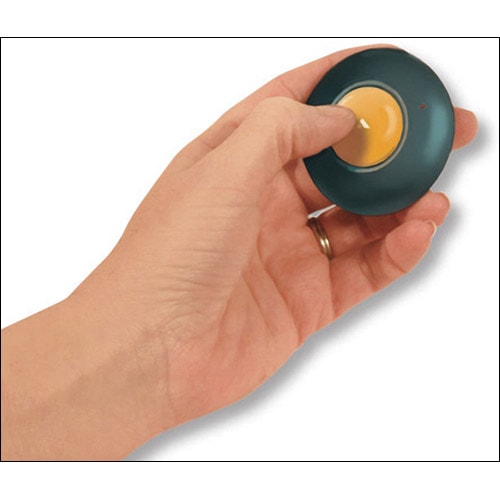
4.) Incorporate Assistive Technology: Assistive technology can greatly enhance a child’s learning experience. Therapro offers a variety of technological aids that cater to different learning needs and styles. These tools not only support academic success but also boost confidence and independence. The compact GoTalk Button records a 10 second message and has a built-in magnet for display on the refrigerator or on any metal surface. Teaching Rings is a tool that provides a fun new technique in teaching and keyboarding or touch typing skills for all ages and skill levels. The child wears 8 teaching rings to teach them the “Home Row” of keys where fingers should always rest when not typing. As the child learns all the keys that each finger types, they can remove the rings.

5.) Offer Parental Involvement and Support: Parents play a crucial role on the school team in their child’s education. By being involved and providing support, you can help your child navigate challenges and celebrate successes. Therapro offers resources and products designed to support parents in creating a positive learning environment at home. Ongoing consultation with your child’s teachers and occupational therapists can help guide you in selecting the best tools for your child’s learning environment at home.

A well-organized, sensory-friendly, and technology-equipped home learning environment can significantly impact your child’s academic success. By exploring and incorporating Therapro’s extensive range of products, you can tailor a positive learning space that meets your child’s unique needs and fosters a love for learning.

Guest Blogger: Filomena Connor, MSOT – Retired

Increasing Awareness of Pediatric Feeding Disorder

Pediatric Feeding Disorder (PFD) presents significant challenges for children and their
families; raising awareness about PFD is crucial for early diagnosis and intervention, ensuring that children receive the appropriate care and support. This disorder can affect a child’s ability to eat and drink, impacting their nutrition, growth, and overall development. It is defined as “impaired oral intake that is not age-appropriate, associated with medical, nutritional, feeding skill, and/or psychosocial dysfunction.” Studies show that in the United States, PFD affects more than 1 in 37 children under the age of 5. The American Occupational Therapy Association (AOTA) and Feeding Matters have been at the forefront of these efforts, working collaboratively to enhance understanding and recognition of PFD.

Understanding Pediatric Feeding Disorder

Pediatric feeding disorders encompass a broad range of difficulties related to eating and
drinking. These can include medical, nutritional, feeding skill-based, and psychosocial
aspects. Common symptoms may include difficulty with sucking, chewing, or
swallowing, aversion to certain textures or foods, and disruptive mealtime behaviors.
Early identification and intervention are essential to prevent long-term consequences,
such as malnutrition, growth delays, and social-emotional issues.

The Role of AOTA in Addressing Pediatric Feeding Disorder

The American Occupational Therapy Association (AOTA) plays a vital role in promoting
the role of occupational therapy in the assessment and treatment of Pediatric Feeding Disorder. Occupational therapists are uniquely equipped to address the complex interplay of physical, sensory, and psychosocial factors involved in feeding disorders. Through education, advocacy, and research, AOTA supports occupational therapists in providing evidence-based interventions to improve feeding outcomes for children.

Key Initiatives by AOTA:

  • Educational Resources: AOTA offers comprehensive resources and continuing education opportunities for occupational therapists to stay updated on the latest research and best practices in pediatric feeding.
  • Advocacy: AOTA advocates for policies and practices that support early identification and intervention for PFD, emphasizing the importance of interdisciplinary collaboration.
  • Research: AOTA promotes research in the field of pediatric feeding, encouraging the development of innovative assessment tools and intervention strategies.

Feeding Matters: A Leading Voice in Pediatric Feeding Disorder Advocacy

Feeding Matters is a nonprofit organization dedicated to advancing the understanding
and treatment of pediatric feeding disorders. Founded by parents of children with PFDs
Feeding Matters aims to provide support, education, and resources to families and
professionals alike. The organization works tirelessly to create a world where children
with feeding disorders thrive.

Key Contributions by Feeding Matters:

  • Educational Programs: Feeding Matters offers a range of educational programs for parents, caregivers, and healthcare professionals to increase awareness and understanding of PFD.
  • Support Networks: The organization provides support groups and resources for families, fostering a sense of community and shared experiences.
  • Research and Advocacy: Feeding Matters collaborates with researchers and advocates for policy changes to improve the diagnosis and treatment of PFD. For example, they have worked effectively to develop the Feeding Matters Infant and Child Feeding Questionnaire (ICFQ) – an age-specific tool designed to identify potential feeding concerns and facilitate discussion among the child’s healthcare team. It was designed by a group of internationally esteemed contributing authors including occupational therapists, speech-language pathologists, physicians, dietitians, and more.

Collaborative Efforts: AOTA and Feeding Matters

The collaboration between AOTA and Feeding Matters has been instrumental in raising
awareness and improving the diagnosis and treatment of PFD. By combining the
expertise and resources of both organizations, they have made significant strides in
addressing the challenges faced by children with feeding disorders.
Joint Initiatives:

  • Public Awareness Campaigns: AOTA and Feeding Matters have launched joint campaigns to educate the public and healthcare professionals about the signs and symptoms of PFD, emphasizing the importance of early intervention.
  • Interdisciplinary Conferences: Both organizations co-host conferences and workshops that bring together experts from various fields, including occupational therapy, speech-language pathology, nutrition, and psychology, to share knowledge and best practices.
  • Research Collaboration: AOTA and Feeding Matters support and fund research projects aimed at developing innovative approaches to the assessment and treatment of PFD.

The collaborative efforts of AOTA and Feeding Matters have significantly advanced the awareness, diagnosis, and treatment of pediatric feeding disorders. By promoting education, advocacy, and research, these organizations ensure that children with PFD receive the comprehensive care they need to thrive. Continued collaboration and support from the broader healthcare community are essential to furthering these efforts and improving outcomes for children and families affected by feeding disorders.

Check out these important feeding resources that Therapro offers for your personal
library.

Gust Blogger: Filomena Connor, MSOT – Retired

Discover Therapro’s Handy Guides

Searching for the perfect tools, games, or evaluations for your clients can be time-consuming and overwhelming. Therapro’s Handy Guides can help streamline the selection process. The Guides help with making informed decisions. At a glance, you can see color representations of products. These guides are user-friendly, concise, and best of all, they’re absolutely FREE! The Handy Guides cover the following categories:

Handy Guides for Fine Motor:

Therapro's Which Writing Tool or Accessory Handy Guide

Which Writing Tool or Accessory: This Guide helps you choose the right tool for your client’s needs, whether it’s for comfort, positioning, or sensory input. For example, a Spike Tactile Pencil Topper or SPIKE Tactile Pencil Gripper may be the right choice if your client would benefit from added sensory input when writing to alert and focus on the task.

Get a Grip on Grips: Explore a variety of writing utensil grips designed for comfort, finger positioning, and sensory needs. To facilitate a tripod grasp, the Start Right Pencil Grip may fit the needs of your client.

Get a Grip on Grips handy Guide

Handy Guides for Sensory:

Therapro's Find Your Fidget Handy Guide

Find Your Fidget: Discover fidgets for calming & organizing or alerting, including popular choices like Squeezies and Theraputty that offer resistance to help with focus and attention.

Choose Your Chew: Select the perfect chew for your client’s needs, categorized by age and chew strength. Chews are organized into Chews for Babies and Toddlers; and Chews in 3 chew levels (Light for mild sensory seekers, Medium for chewers who need more sensory input, and Firm for those who are strong chewers who need maximal sensory input). The benefits of selecting the appropriate chew is essential. Selecting a Firm Chew that a client can bite and chew safely is easy with choices such as the Krypto-Bite pencil topper or a Tube Zillas on a Tether.

Therapro's Free Choose Your Chew Handy Guide
Tools for the Body Handy Guide with link to download

Tap into Tools for the Body: Explore tools designed to provide calming and organizing sensory input that have resistive features to increase proprioception and sensory input. Bouncy Bands for Chairs provide foot resistance when a student is seated in a classroom chair. Selecting tools to enhance attention and focus include materials with a vibratory component such as Senseez Touchable Vibrating Pillows or tools that challenge balance such as the Seesaw Sensory Integration Balance Board by Bouncyband®.

A Handy Guides for Adaptations:

What Can You Adapt Handy Guide

What Can You Adapt: Learn how to enhance upper extremity activities with the versatile EazyHold universal cuff. This Guide demonstrates its versatility for use in many home, school, and community scenarios. It can be used in a variety of activities including brushing teeth, holding utensils, and using art materials.

A Handy Guide for Evaluations:

Handy Evaluation Chart: A helpful reference for deciding how best to assess your client’s needs. This Guide organizes evaluations offered by Therapro into comprehensive subcategories with age-appropriate designations. 

Therapro's Handy Evaluation Guide

These Handy Guides are designed to simplify your decision-making process and enhance the quality of care you provide. Each Handy Guide is packed with valuable information and practical recommendations to support your work as a therapist.

Explore them today and discover how Therapro can support you in your journey!

Guest Blogger: Filomena Connor, MSOT-Retired