Category Archives: Motor & Movement

Find practical strategies, research-backed techniques, and resources designed to support the development of gross motor skills in children. This category is ideal for physical therapists, occupational therapists, early interventionists, and parents seeking effective movement-based solutions to enhance coordination, strength, balance, and mobility in young children.

Therapeutic Recreation Activity Ideas for All Ages

Each year, National Therapeutic Recreation Week—celebrated during the second week of July—shines a spotlight on the vital role recreation plays in rehabilitation and wellness. This week is a time to celebrate and explore therapeutic recreation activity ideas that improve physical, cognitive, emotional, and social well-being across all ages and abilities. Whether you’re a therapist, educator, or parent, incorporating purposeful play into therapy sessions can make a lasting difference.

Why Therapeutic Recreation Matters

Therapeutic recreation combines leisure activities with therapeutic goals to enhance function and quality of life. For children and individuals with disabilities or developmental delays, recreation becomes a vehicle for skill-building, engagement, and self-expression. Using the right tools can transform everyday activities into therapeutic opportunities.

Top Therapro Products for Recreational Therapy

At Therapro, we offer a wide range of tools and materials that support meaningful recreational therapy. Here are three standout products to integrate into your practice this week and beyond:
Fine Motor Olympics

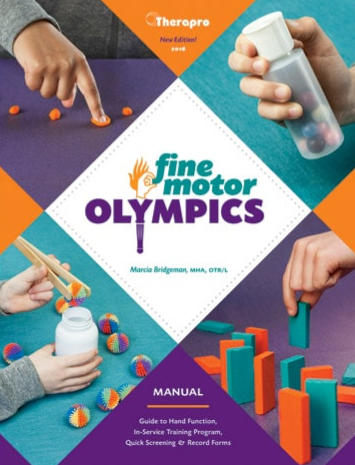
Fine Motor Olympics

Developed by Marcia Bridgeman, MHA, OTR/L, this inclusive program equips OTs to train staff, parents, and volunteers in delivering structured fine motor support. Includes a manual, screening tools, record forms, and 64 full-color activity cards featuring hand function tasks.

➡️ Explore Fine Motor Olympics

Sensational Fun

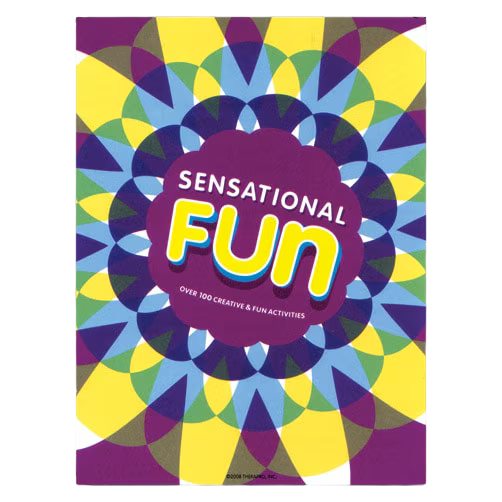
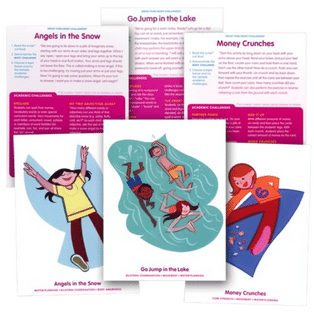
Packed with over 100 activities that incorporate movement, touch, and sound, this resource offers endless therapeutic recreation activity ideas to support children with sensory processing challenges.
➡️ View Sensational Fun

Sensational Fun
Drive Thru Menus

Drive-Thru Menus

The Drive Thru Menus: Calming & Stress Busting Kit and Attention & Strength Kit offer therapist-designed, movement-based activities that promote self-regulation, focus, and physical readiness for learning. Each set features fun, structured exercises that support emotional regulation, motor control, and attention, making them ideal for classrooms, therapy sessions, or home use.

➡️ Check Out Drive-Thru Menus: Attention & Strength Kit

➡️ Check Out Drive Thru Menus: Calming & Stress Busting Kit


Integrating Recreation into Everyday Therapy

Recreational therapy doesn’t require elaborate equipment or large spaces. Many activities can be done in clinics, classrooms, or at home. The key is to pair intentional movement and play with therapeutic goals—such as improving executive function, fine motor precision, or sensory regulation. The above tools provide structure and flexibility to adapt activities based on individual needs.

Celebrate the Week, All Year Long

National Therapeutic Recreation Week is more than a celebration—it’s a reminder to embed joy and function into our daily therapeutic routines. By using resources that support creative, purposeful activity, therapists and caregivers can make therapy more meaningful and effective.

Summer Sensory Activities Using Therapro Tools

Why Summer Sensory Play Matters

Summer is a great time for play, but for children with developmental, sensory, or motor challenges, it can also present a risk of skill regression or sensory dysregulation due to changes in routine. This guide provides parents, caregivers, and professionals with easy-to-implement summer sensory activities using Therapro’s therapeutic tools—perfect for home use.


1. Bubbles: Oral Motor Play for Regulation and Focus

Featured Products:

Why It Works: Blowing bubbles provides controlled oral motor input, which supports breath control, self-regulation, and speech development. According to Williams & Shellenberger (1996), oral motor activities help modulate arousal levels and improve focus.

Activity Idea: Create a “Bubble Pathway” where children walk a zigzag or hopscotch path while blowing bubbles. Add simple motor tasks to combine movement with breathwork.


2. Movement & Coordination: Full-Body Sensory Input

Recommended Products: Seesaw Sensory Integration Balance Board by Bouncyband®
Explore the full selection at Therapro’s Movement Tools

Why It Works: Balance boards, scooter boards, and wobble cushions provide vestibular and proprioceptive input. These are essential for organizing the nervous system and supporting sustained attention.

Activity Idea: Design a simple obstacle course with a balance board, bean bags, and a scooter board. Use it for morning movement breaks or pre-dinner wind-down time.


3. Sensory Fun & Games: Calm, Focused Engagement

Top Picks: Happy Senso Sensory Gel
See the full category: Sensory Fun & Games

Why It Works: Tactile games and sensory bins offer soothing sensory input and promote calm alertness. Use them during transitions or when screen time ends to re-engage your child.

Activity Idea: Fill a bin with textured items and add task cards or sorting games. Try playing a matching game with tactile elements to enhance fine motor skills.


Make Summer Count
Therapro’s at-home therapy tools are designed to be easy, effective, and fun. With consistent use, these summer sensory activities can help prevent skill loss, improve sensory regulation, and support ongoing development through the summer months.


Explore More:
Visit Therapro.com for more summer sensory tools, games, and resources.

hand holding a pen and writing

Good Handwriting Starts At The Core!

What do the muscles of the core have to do with good handwriting? The simple answer is, a lot! The five main muscles of the core are the pyramidalis, rectus abdominus, external obliques, internal obliques, and transversus abdominis. These muscles are important for many day to day activities; for a deeper dive into this topic check out the free, recorded webinar Postural Control as a Base of Support for Upper Extremity Participation presented by Celine Rosati Skertich and Linda Merry. When it comes to handwriting, the core muscles are key to providing the stability from which our hands can work from. Without the stability provided by the core muscles, the arms would have difficulty positioning the hands and the hands would have difficulty holding writing utensils steadily. In order to make handwriting successful, it is important build a strong foundation from which students can work from! In this blog we will explore fun ways to develop and strengthen core musculature.

Alternative Seating

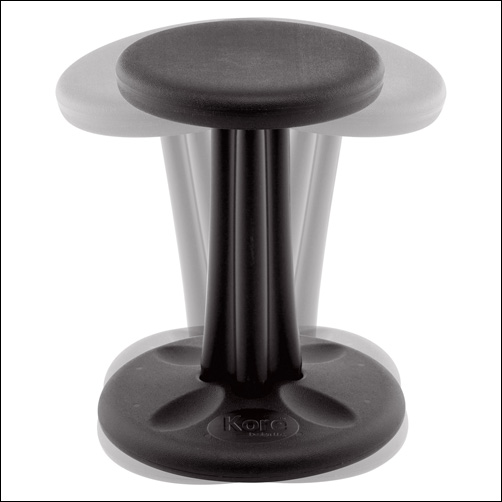
black kore wobble stool

Adding dynamic movement to seated tasks, is a great way to build core muscle strength. There are a multitude of alternative seating options that allow for dynamic movement while sitting. Examples include, The AlertSeat, Kore Wobble Chairs, and therapy balls. For more information on this check out the blog post, Flexible Seating Options in The Classroom & Home Learning Environments. It is important to remember that using alternative seating to strengthening core muscles should be done during fun, non demanding activities such as watching a movie or playing an easy table game.

Scooter Board Fun

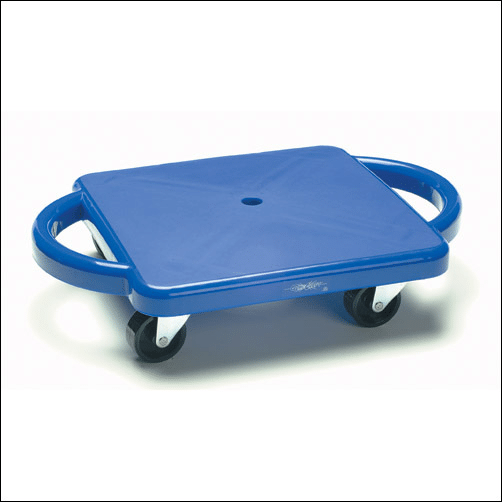
Scooter Board

Scooter board activities are fun and engaging; depending on positioning, scooter board games can be a great way to strengthen either the front or the back core muscles.

Scooter board activities done while positioned on the stomach (‘superman position’; think belly down, arms and legs lifted and extended) are great for strengthening the extensor muscles. For a fun game try scooter board- bean bag tag. To play, players lay belly down on the scooter board with a set of beanbags on the scooter board directly under their chest (this encourages the extensor positioning). The goal of the game is to drop beanbags on opposing players’ backs. To do this they would use their arms to push their scooter to their opponent and then drop the beanbag on their opponent’s back.

Scooter board activities done while positioned on the back in the ‘tucked position’ (think knees in toward the chest, arms flexed, and head lifted) are a great way to target the flexor muscles. Scooter board monster stomp is a great example. To play, tape pictures of monsters (or anything of interest) to the wall, at a low level, 1-2 feet from the floor. The player lays on their back on the scooter board and assumes the ‘tucked’ position. The player’s teammate (or therapist) gently pushes the player to the first monster (a small push on the shoulders will usually do the trick!). The player’s job is to stomp the monster with his feet with enough force to propel him back to his teammate who will direct him to the next monster. Use caution here, this game takes a lot of strength! As soon as the player shows signs of fatigue (i.e. difficulty holding his head up) players should switch turns.

For more fun scooter board game ideas check out the Scooter Board Activities Fun Deck.

Balance Games

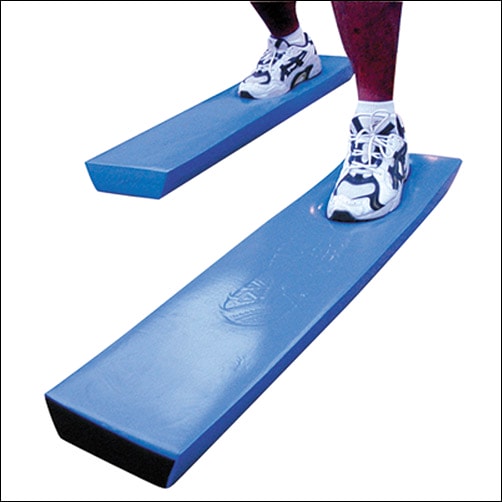
Balance Beam

Balancing requires core stabilization, a great way to strengthen those muscles! A simple game of catch becomes a core strengthening challenge just by standing on a wobble board or air filled cushion. A core workout can be done while completing an obstacle course simply by adding a balance beam component or stepping stones. Another great option is to explore the many different yoga balance poses!

Handwriting is an intricate process that requires more than just putting pen to paper; the core muscles provide the essential stability from which our hands work off of. Building a strong foundation, before we put pen to paper, will increase handwriting success and lessen frustration.